
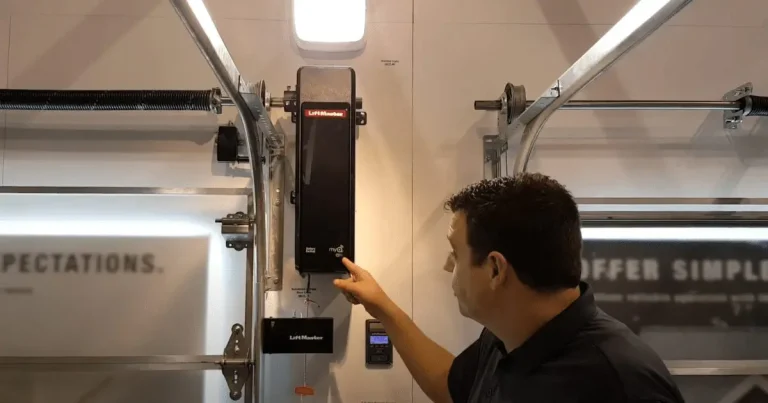

If you run a business, manage a warehouse, or oversee a commercial property, you have probably seen a commercial door operator in action without realizing it. That large overhead door that opens smoothly when a truck backs in, or the automatic door that swings open when an employee waves a key fob, are both powered by a commercial door operator and often supported through professional commercial garage door services.
But what exactly is it? How does it work? And why does it matter for your business operations in Vallejo, CA? This guide breaks it all down in plain, easy-to-understand terms. Whether you are new to commercial doors or just want to understand the system better, this article is for you.
What Is a Commercial Door Operator?
A commercial door operator is a motorized system that opens and closes large doors in commercial and industrial settings. It is designed to handle frequent, heavy use, unlike the residential garage door openers you might have at home.
These systems are built for businesses such as:
- Warehouses and distribution centers
- Loading docks
- Auto repair shops
- Retail storefronts
- Fire stations
- Schools and government buildings
Commercial door operators are not just about convenience. They also play a big role in security, safety, and the smooth flow of daily operations. A well-functioning door operator keeps your staff safe, protects your inventory, and keeps your business moving without unnecessary delays.
If you are still learning about your options and want to explore how this system fits your facility, check out What Are the Benefits of a Commercial Door Operator? for a deeper look at the value it brings.

Key Components of a Commercial Door Operator
Understanding how a commercial door operator works starts with knowing its main parts. Each component plays a specific role, and when one fails, the whole system can be affected.
Here are the core components you should know:
- Motor Unit: This is the heart of the system. The motor drives the door open and closed. Commercial motors are rated for heavy-duty, high-cycle use, meaning they can handle dozens or even hundreds of cycles per day.
- Drive System: The motor connects to the door through a drive system. This can be a chain drive, belt drive, or screw drive, each with different levels of noise, speed, and durability.
- Control Panel: This is the brain of the operator. It receives signals from switches, remotes, or sensors and tells the motor when to act. Modern control panels also include diagnostic features that flag issues before they become bigger problems.
- Limit Switches: These tell the operator when the door has reached the fully open or fully closed position. Without them, the door would keep moving and cause serious damage.
- Safety Sensors: Photoelectric sensors or safety edges detect obstructions in the door’s path. If something or someone is in the way, the door stops or reverses automatically.
- Emergency Release: This allows the door to be operated manually during a power outage. It is a critical safety feature, especially in facilities with large vehicles or time-sensitive operations.
- Remote Controls and Access Systems: Key fobs, keypads, card readers, and loop detectors allow authorized users to operate the door from a distance or automatically as a vehicle approaches.
If your facility depends on reliable access, Why Your Business Needs a Commercial Door Operator is an article worth reading.
How Does a Commercial Door Operator Work?
Now that you know the parts, here is how they all work together in a typical operation cycle:
- Trigger Signal: A user presses a button, waves a key fob, or a vehicle drives over a loop detector buried in the pavement. This sends a signal to the control panel.
- Motor Activation: The control panel receives the signal and activates the motor. The motor engages the drive system, which begins pulling or pushing the door along its tracks.
- Door Movement: The door moves along its track system, guided by rollers and springs that help balance its weight. For overhead doors, the door panels fold upward and rest horizontally above the opening.
- Limit Switch Trigger: Once the door reaches the fully open position, the limit switch cuts power to the motor so the door stops at the right point.
- Safety Check: Throughout the movement, the safety sensors are active. If an obstruction is detected, the door stops immediately and may reverse direction.
- Close Cycle: When the close signal is sent, the same process happens in reverse. The motor activates, the door lowers, and the limit switch stops it once it is fully closed.
This entire cycle happens in seconds, but it involves precise coordination between every component in the system. That is why regular inspection and maintenance are so important.
Safety coordination in automated door systems is reinforced by industry standards like UL 325, which outline how operators must respond to signals, movement limits, and obstruction detection for safe operation.
Types of Commercial Door Operators
Not all commercial door operators are the same. The type you need depends on your door size, usage frequency, and the kind of business you operate.
Here is a breakdown of the most common types:
- Jackshaft Operators: Mounted on the side of the door rather than overhead. Great for facilities with limited ceiling space. They are common in warehouses and auto shops.
- Trolley Operators: The most traditional type. A trolley runs along a rail mounted to the ceiling and pulls the door open. These are reliable and widely used.
- Hoist Operators: Built for very heavy doors. These use a chain hoist mechanism and are common in industrial settings where doors can weigh thousands of pounds.
- Slide to Side Operators: Designed for doors that slide horizontally rather than roll up. Often used in aircraft hangars or specialty commercial facilities.
- Barrier Gate Operators: Found at parking facilities and entry points. These raise and lower a horizontal bar to control vehicle access.
Each type has its own motor size, speed rating, and duty cycle. Choosing the wrong type can lead to premature wear, frequent repairs, and even safety hazards.
Different operator styles are designed for specific applications, as explained in guides on garage door opener types that compare performance, mounting options, and usage suitability.
Why the Duty Cycle Matters
One term you will often hear when shopping for or maintaining a commercial door operator is “duty cycle.” This refers to how many times the operator can open and close within a given time period without overheating or wearing out.
- Light duty: Up to 25 cycles per day. Suitable for small businesses with minimal traffic.
- Standard duty: 25 to 75 cycles per day. Good for mid-size operations.
- Heavy duty: 75 to 200 or more cycles per day. Built for warehouses, distribution centers, and high-traffic facilities.
Using a light-duty operator in a high-cycle environment is one of the most common and costly mistakes businesses make. The motor burns out faster, repairs come more frequently, and downtime increases. Always match the operator to your actual usage.
Common Signs Your Commercial Door Operator Needs Attention
Even the most reliable systems show warning signs before they fail completely. Catching these early can save your business significant time and money.
Watch for these red flags:
- Slow or hesitant movement: The door takes longer than usual to open or close. This can point to motor strain, worn drive components, or track issues.
- Unusual sounds: Grinding, clicking, or squealing during operation usually mean something is worn, misaligned, or needs lubrication.
- Inconsistent response: The door does not respond every time you trigger it, or it stops mid-cycle without reason.
- Door reverses on its own: If the door starts closing and then goes back up without any obstruction, the limit switches or safety sensors may need adjustment.
- Visible damage: Bent tracks, damaged rollers, or frayed cables are physical signs that the system needs a professional inspection.
If you notice any of these, do not wait. A small issue left unchecked almost always turns into a bigger, more expensive repair. Knowing when to act is exactly what we cover in When to Repair or Replace Your Commercial Door Operator.
Preventive Tips to Keep Your Operator Running Smoothly
You do not have to wait for something to break down to take action. Routine care goes a long way in extending the life of your commercial door operator.
Here are practical steps your team can take:
- Inspect the door monthly: Look at the tracks, rollers, cables, and springs for signs of wear or damage. Catching small issues early prevents bigger problems later.
- Keep the tracks clean: Dirt, debris, and buildup in the tracks cause friction and slow down the door. A clean track means a smoother, faster cycle.
- Apply lubricant to moving parts: Use a proper commercial-grade lubricant on rollers, hinges, and springs. Avoid using household products, as they can attract dirt and cause buildup.
- Test the safety features regularly: Manually test the auto-reverse function and check that sensors are properly aligned. These features exist to protect people, so they need to work every time.
- Do not overload the system: Make sure the door and operator are properly matched in terms of weight and duty cycle. Running the system beyond its rated capacity shortens its lifespan significantly.
- Schedule professional inspections: Even if everything seems fine, have a qualified technician inspect the system at least once a year. They can spot issues that are not visible to the untrained eye.

Commercial Door Operators and Building Code Compliance in California
If your business is in Vallejo, CA, there are local and state-level regulations that apply to commercial door systems. California follows strict building codes and safety standards, particularly for commercial properties.
Key compliance points to be aware of:
- UL 325 Standard: This is the national safety standard for door operators. Any operator installed in a commercial setting must meet UL 325 requirements, which cover safety sensors, auto-reverse functions, and entrapment protection.
- ADA Compliance: If your commercial door is accessible to the public, it may need to meet Americans with Disabilities Act requirements, including opening force limits and automatic activation options.
- Fire-Rated Doors: Some commercial facilities are required to have fire-rated doors that close automatically in the event of a fire alarm. The door operator must be compatible with the fire door’s rating and closing mechanism.
- Permit Requirements: In many cases, replacing or upgrading a commercial door operator in California requires a permit from your local building department. Always check with the City of Vallejo before starting any major door project.
Ready to Get Your Commercial Door Operator Checked?
A commercial door operator is one of the hardest-working systems in your facility. It runs day in and day out, often without much attention, until something goes wrong. Understanding how it works, what to watch for, and how to care for it puts you in a much stronger position as a business owner or facility manager.
For businesses in Vallejo, CA, having a trusted local partner makes all the difference. R&S Erection of Vallejo has been serving commercial clients in the area with professional door operator inspections, repairs, and installations. If your system is due for a checkup or you are not sure where to start, contact us today or give us a call. Our team is ready to help you keep your doors and your business running without interruption.
Frequently Asked Questions
How long does a commercial door operator typically last?
With proper maintenance, most commercial door operators last around 10 to 15 years or longer.
Can I install a commercial door operator myself?
No, commercial door operators should be installed by a licensed technician because of safety, wiring, and code requirements.
What does UL 325 mean for commercial door operators?
UL 325 is a safety standard that requires features like entrapment protection, auto-reverse, and obstruction detection.
How do I know what duty cycle my business needs?
Choose the duty cycle based on how many times the door opens and closes each day, and size up if usage is heavy.
What kind of lubricant should be used on a commercial door operator?
Use a commercial-grade door system lubricant and avoid WD-40 or general-purpose sprays.
Are commercial door operators required to have safety sensors?
Yes, they must include entrapment protection, such as safety sensors or edges, under UL 325 standards.
What happens to a commercial door operator during a power outage?
Most have an emergency release for manual operation, and some also offer battery backup.
How often should a commercial door operator be professionally inspected?
At least once a year, though high-use doors are better inspected every six months.
Does California require permits for commercial door operator installation?
Yes, most installations or major replacements require a permit, so check with the local building department first.