
Walk into any garage door showroom or browse online, and you will quickly realize there are a lot of options. Different materials, panel styles, insulation ratings, color choices, opener types, and price ranges. It can feel overwhelming fast, especially if this is your first time replacing or installing a garage door.
The good news is that choosing the right sectional overhead door comes down to a handful of key factors. When you work through each one, the decision gets a lot clearer. This guide is built to walk you through exactly that, whether you are a first-time buyer or a Vallejo homeowner who just wants to make a smarter upgrade this time around.

Know Your Garage Opening First
Before anything else, you need accurate measurements. A door that does not fit the opening correctly will cause problems from day one.
- Measure the width and height of the garage opening at the widest and tallest points
- Check how much headroom you have above the opening up to the ceiling, as most sectional doors need at least 10 to 12 inches of clearance
- Measure the depth of the garage from the opening to the back wall, since the door panels need room to travel horizontally when fully open
- Check the side room on both sides of the opening, typically at least three and a half inches on each side, for standard track hardware
- If your garage has non-standard dimensions, custom sizing is available, but it will affect the overall cost and lead time
Taking the time to get these numbers right before you shop saves you from ordering a door that does not work with your space.
Before you start comparing products, it helps to have a solid understanding of the door itself. If you are not fully familiar with how a sectional overhead door works, What Is a Sectional Overhead Door? covers the basics in plain terms.
Choose the Right Material for Your Situation
The material you choose affects how the door looks, how long it lasts, how much maintenance it needs, and how well it holds up to your local climate. Here is what each option brings to the table:
Steel
- The most popular choice for residential sectional doors
- Durable, widely available, and comes in a range of gauges, with thicker gauges offering better dent resistance
- Can be painted or ordered with a factory finish in many colors
- Available with or without insulation
- Holds up well in most climates and requires minimal upkeep
Aluminum
- Lightweight and naturally resistant to rust and corrosion
- A practical choice for businesses in Vallejo and the surrounding Bay Area, where moisture and salt air can be a factor
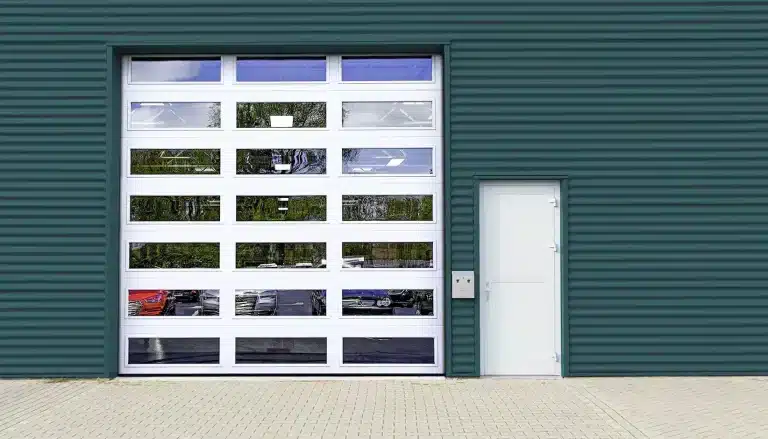
- Often used for full-view style doors with glass panels
- Thinner aluminum can dent more easily than steel, so it is worth asking about gauge options
Wood
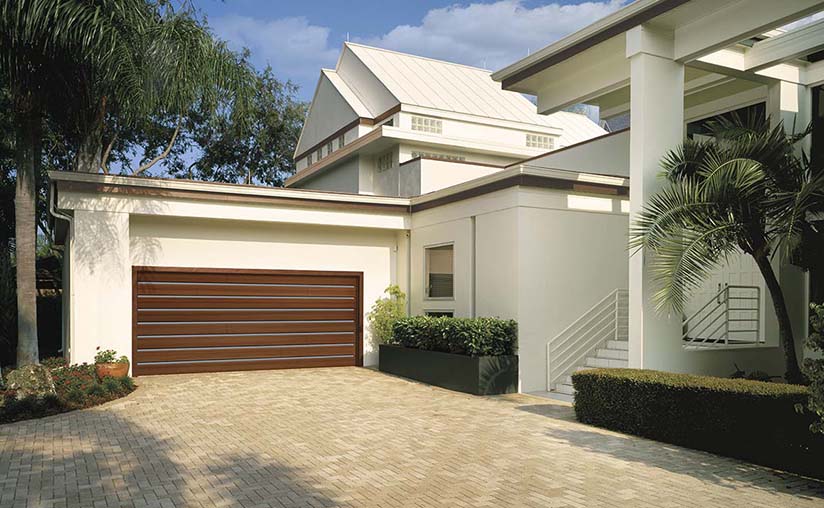
- Offers a rich, natural look that is hard to replicate with other materials
- Works well with craftsman, Tudor, and traditional home styles
- Requires regular sealing, staining, or painting to prevent warping, cracking, and rot
- Heavier than steel or aluminum, which can put more stress on the opener and springs over time
- Best suited for homeowners who are willing to commit to the maintenance involved
Fiberglass and Composite
- Designed to look like wood without the same level of upkeep
- Resistant to cracking and warping, which makes it a lower-maintenance alternative
- Not as widely available as steel, so options may be more limited depending on your supplier
- A good middle ground for homeowners who want the look of wood with more durability
Decide on a Panel Style
The panel style you choose is largely about aesthetics, but it does affect curb appeal and resale value. Here are the most common options:
Raised Panel
- The classic residential look with rectangular raised sections across each panel
- Clean, symmetrical, and it works with almost every home style
- Easy to find in a wide range of colors and materials
Recessed Panel
- Similar to raised panel but with the design pressed inward rather than outward
- Creates a slightly more subtle, modern look
- A good fit for contemporary or transitional home styles
Carriage House
- Designed to look like swinging barn or carriage house doors
- Often paired with decorative handles and strap hinges for added character
- Extremely popular in neighborhoods where curb appeal and architectural detail matter
- Works especially well on craftsman and colonial-style homes
Flush Panel
- A smooth, flat surface with no raised or recessed detailing
- Clean and minimalist, which suits modern and industrial-style homes
- Can look sharp when paired with bold colors or natural wood grain finishes
Full-View Glass
- Aluminum frames with large glass or acrylic inserts instead of solid panels
- Let’s in natural light and create an open, contemporary feel
- Popular for converted garages used as studios, gyms, or living spaces
Think About Insulation
Insulation is one of the most practical decisions you will make when choosing a sectional door. It is not just about comfort. It also affects energy efficiency and noise levels.
- If your garage is attached to your home and shares walls with living spaces, an insulated door can make a real difference in how well your home retains heat or stays cool
- Insulation is measured by an R-value. The higher the R-value, the better the thermal performance
- Polyurethane foam insulation offers a higher R-value and bonds directly to the steel, which also adds structural strength to the panels
- Polystyrene insulation is less expensive and still provides a reasonable level of thermal protection
- Non-insulated doors are a fine choice for detached garages that are not climate-controlled and are used mainly for storage
- In Vallejo, where temperatures can shift noticeably between seasons, an insulated door adds comfort and can contribute to lower energy bills over time
Choose the Right Color and Finish
Color and finish might seem like a small detail, but the garage door is one of the largest visual elements on the front of your home. Getting it right matters for curb appeal.
- Match the door color to your home’s trim, front door, or siding for a cohesive look
- White and almond are the most common choices because they complement a wide range of home colors
- Dark tones like charcoal, black, and deep brown have grown in popularity for modern and farmhouse-style homes
- Wood grain finishes on steel doors offer the warmth of wood without the maintenance demands
- If you plan to repaint your home in the future, a neutral door color gives you more flexibility
Bob Vila’s guide to choosing a garage door includes helpful visual examples of how color and finish choices play out across different home styles.
Choose the Right Opener
The door panel is only part of the equation. The opener you pair with it plays a big role in day-to-day function and safety.
- Chain drive openers are the most affordable and reliable, though they tend to be louder during operation
- Belt drive openers run quietly and smoothly, which is ideal if the garage is directly below or beside a bedroom
- Screw drive openers have fewer moving parts and require less maintenance, though they can be sensitive to temperature changes
- Direct drive openers are very quiet and have only one moving part, making them a durable long-term option
- Look for openers with built-in Wi-Fi so you can monitor and operate the door remotely from a smartphone
- Safety sensors near the floor are standard on modern openers and should never be bypassed or disabled
- Battery backup is worth considering so the door can still operate during a power outage
For a side-by-side comparison of opener drive types and what each one suits best, Angi’s garage door opener style guide breaks down the tradeoffs clearly.
Factor In Safety Features
A garage door is one of the largest moving parts in your home. Safety features are not optional extras. They are essential.
- Auto-reverse is a standard feature that causes the door to reverse immediately if it detects an obstacle while closing
- Safety sensors near the base of the door send an infrared beam across the opening and trigger the auto-reverse if the beam is broken
- Manual release allows you to disconnect the door from the opener and operate it by hand if the power goes out
- Tamper-resistant brackets on the bottom of the door prevent the brackets from being removed without releasing spring tension first, which reduces injury risk during maintenance
- Pinch-resistant panels have a design that prevents fingers from getting caught between sections as the door folds while closing
If you are considering a garage upgrade, make sure to read, 7 Reasons Why a Sectional Overhead Door Is Worth It before making your decision.
Questions to Ask Before You Buy
Going into the purchase with the right questions helps you avoid surprises later.
- What gauge is the steel, and how does that affect dent resistance?
- What is the R-value of the insulation, and is it polyurethane or polystyrene?
- Does the warranty cover both the panels and the hardware separately?
- How long is the lead time if the door needs to be custom-ordered?
- Is professional installation included, and what does the post-installation service look like?
- What opener brands does the supplier recommend, and why?
A reputable supplier will have clear answers to all of these. If the answers feel vague, keep looking.
If your current door is showing consistent problems, it may be worth knowing when repairs stop making financial sense. When to Replace Your Sectional Overhead Door walks through the specific signs that indicate a full replacement is the smarter move.
Find the Perfect Sectional Overhead Door for Your Home
Choosing a sectional overhead door is one of those decisions that touches multiple parts of your daily life, from how your home looks from the street to how comfortable your garage feels in January. Taking the time to think through material, insulation, style, and safety before you commit means you are far less likely to end up with buyer’s remorse six months down the road.
Work with a supplier or installer who takes the time to understand your specific setup and gives you honest recommendations based on your home, not just what is easiest to sell.
If you are based in Vallejo and want guidance from someone who knows the local climate and housing styles, R&S Erection of Vallejo is a trusted resource for homeowners looking for reliable advice and professional installation. Contact us today or give us a call, and let us help you find the right door for your home.
Frequently Asked Questions
Is a higher R-value always better for garage door insulation?
A higher R-value means better thermal performance, but the right level depends on how you use your garage. Attached garages connected to living spaces benefit most from higher R-values, while detached storage garages may not need heavy insulation.
What gauge steel should I look for in a sectional door?
Lower gauge numbers mean thicker steel. A 24-gauge steel door offers solid dent resistance for most homes, while a 25-gauge option is thinner and more affordable but may show damage more easily from impacts.
Can I add windows to a sectional overhead door?
Yes. Many sectional doors can be ordered with window inserts in the top panel. Windows add light and visual interest but slightly reduce insulation performance in that section.
How long does it typically take to install a sectional overhead door?
A standard professional installation usually takes between two and four hours. Custom doors or setups with complex framing may take longer.
What is the most low-maintenance material for a sectional door?
Steel and aluminum require the least maintenance overall. Fiberglass and composite panels are also low-maintenance options, especially for homeowners who want the appearance of wood without the upkeep.
Should I match my garage door color to my front door or my siding?
Either approach works. Matching the garage door to the trim or front door tends to create a more intentional, polished look. Matching the siding can help the door blend in if you prefer a more understated appearance.
Do I need a permit to replace a sectional overhead door in Vallejo, CA?
Permit requirements vary by city and scope of work. Replacing a door with the same size and type typically does not require a permit, but structural changes to the opening often do. Check with your local building department or ask your installer.
What is the difference between a chain drive and a belt drive opener?
A chain drive uses a metal chain to move the door and is more affordable but louder. A belt drive uses a rubber belt for quieter operation, making it a better fit for garages attached to living spaces.
How often should a new sectional overhead door be serviced after installation?
Most manufacturers and installers recommend a professional inspection and tune-up once a year. Regular lubrication of the rollers, hinges, and springs every six months is something homeowners can handle between service visits.