
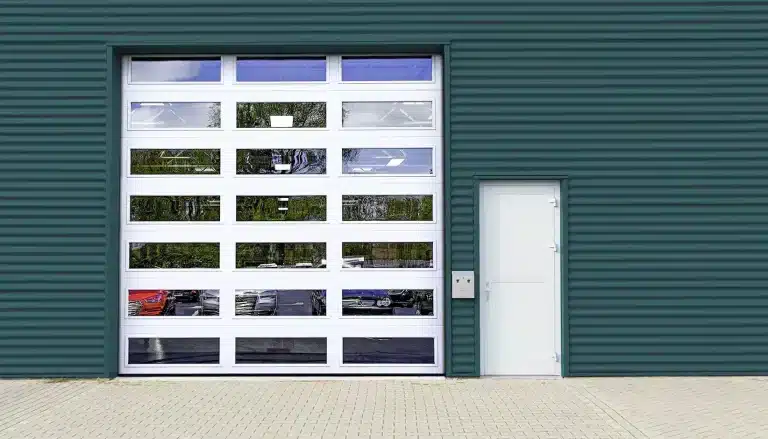
Your garage door is essential for the security and comfort of your home. If you live in Vallejo, you use your garage door every day. However, there may be times during the day when it stops working as it should. Normal use and time can cause many common garage door issues. You may hear unusual sounds or notice that the door does not open or close properly.
Knowing the most usual problems lets you spot them fast. This way, you know when it is time to call for garage door technician. In this guide, we will outline the primary garage door problems people encounter and provide guidance on how to address them.
Top 9 Common Garage Door Problems Vallejo Homeowners Face
Most people with a garage at home will encounter garage door problems at some point. These problems can be simple, like something small needing a quick fix. Alternatively, the matter might be more complex to resolve, and you may need professional assistance. A garage door opener that doesn’t work properly or a broken garage door spring can disrupt your daily routine. It can also make your house feel less safe.
Recognizing the signs of these common problems is the first step in addressing them. If your door will not move or is making too much noise, knowing what could be wrong helps you know what to do next. Let’s examine the most common problems and the steps you can take to address them.
1. Broken Garage Door Springs
One of the most significant and potentially hazardous issues with a garage door is a broken garage door spring. A garage door must withstand a significant amount of weight, and over time, it can weaken due to rust and metal wear. If the spring breaks, you may hear a loud bang from your garage.
You can tell there is a broken spring in the garage door if it feels too heavy when you try to lift it by hand. Another sign is when the door only goes up a little and then falls back down. In Vallejo, if you have a garage door problem, such as a broken spring, a professional can often fix it on the same day. This depends on having the right parts and finding a time that works for both parties.
- The garage door is really hard to lift by hand.
- The door opens a bit, but then it closes quickly.
- You can see a clear space in the spring.
Because the garage door spring holds a significant amount of tension, it is recommended that you not attempt to replace it yourself. A professional garage door repair service should perform this type of garage door repair. The individual performing this task possesses the necessary expertise to do the job safely. If you attempt to repair the garage door spring yourself, you may cause further harm or damage the garage door.
2. Worn or Damaged Rollers
Worn or broken rollers can make your garage door hard to use. They may cause your overhead door to move roughly or make noise. The rollers help your garage door move up and down smoothly. If these rollers get damaged, you may need more expensive garage door service.
Doing regular maintenance and keeping the rollers oiled helps them last longer. You can reduce costly repairs by checking them regularly. It is smart to spot roller problems early. This makes your garage door work better and saves you trouble.
If you notice any issues with your garage door, consider seeking help from a garage door repair company in your area. A garage door repair company can fix the problem and make your overhead door work smoothly again. You want to feel safe and get reliable operation.
Here is a detailed insight from us: Finding the Best Garage Door Repair Company in Vallejo, CA.
3. Misaligned or Bent Tracks
Bent or misaligned tracks are a common issue that can significantly impact the performance and safety of your garage door. When the tracks are not properly aligned, the door may become stuck, move unevenly, or even come off its tracks entirely. This not only puts extra strain on the garage door opener and other mechanical components but also increases the risk of accidents or injuries.
Regular inspections are crucial in detecting track problems early. During these checks, professionals look for signs of wear such as dents, rust, gaps between the rollers and rails, or areas where the track is pulling away from the wall. Early detection allows for straightforward repairs, such as realigning or replacing damaged sections, before more complex—and costly—issues arise.
In addition to safety concerns, ignoring track issues can lead to higher repair bills down the line. Misaligned tracks may cause additional damage to rollers, cables, and springs over time. Keeping up with routine maintenance ensures smoother operation, prolongs the lifespan of your entire garage door system, and preserves your investment in your home.
For residents in Vallejo experiencing garage door malfunctions due to track problems or any other issue, it’s advisable to contact a local professional repair service promptly. Reputable companies in Vallejo offer comprehensive solutions, including inspection, realignment, lubrication, and replacement of worn parts. These experts can not only resolve current issues but also guide preventive care to minimize future breakdowns.
By prioritizing regular maintenance and promptly addressing bent or misaligned tracks, you help ensure that your garage door remains reliable, efficient, and safe for years to come.
4. Unresponsive Garage Door Opener
Garage door openers play a crucial role in the garage door system. These openers help your garage door operate smoothly, whether you have residential or commercial garage doors. Sometimes, the garage door opener may not work. This problem can be caused by issues with the electricity, dead batteries, or remotes that are not correctly connected. When this happens, it can frustrate you. Performing regular maintenance on your garage door can help prevent these common garage door problems. If you continue to experience trouble, consider contacting a garage door repair company near you. Getting help can save you from costly repairs and keep your garage door opener functioning properly.
5. Faulty Garage Door Sensors
Malfunctioning sensors are often the cause of garage door problems. The sensors monitor the area to prevent obstacles and ensure everyone’s safety. When the sensors are bent out of shape or damaged, the garage door may stop functioning. Doing regular maintenance is key. A person should wipe off the sensors and ensure they are lined up correctly. A trusted garage door repair company can inspect these things and help prevent problems before they occur. Sensor checks should be a regular part of garage door maintenance. This step can prevent people from incurring costly repairs. Users feel at ease every time they use their garage door opener, knowing their garage door system is in good working order. To read about why regular maintenance saves money over time, go to our page at Why Professional Garage Door Maintenance Saves Money in the Long Run.
6. Noisy Garage Door Operation
Unusual sounds from the garage indicate there are garage door problems. A noisy garage door often results from a lack of lubrication on the moving parts, such as rollers and hinges. Regular maintenance will help you use the right lubricant to keep your garage functioning properly and prevent costly repairs. A reliable garage door is easier to get if you take care of these things.
Loose parts or broken rollers on your garage door can make a lot of noise. This can disrupt your daily routine. Reaching out to professional garage door repair companies near you can help resolve these issues and restore your peace of mind. If you want to know more about when you should repair or replace your garage door, read The Lifespan of Garage Doors: When to Repair vs. Replace in Vallejo.
7. Garage Door Won’t Open or Close Fully
Obstructed garage doors can indicate serious issues with your vehicle’s garage. Often, old rolls or an unbalanced garage door system can disrupt proper operation. A broken garage door opener can also prevent it from opening or closing completely. It is essential to perform regular maintenance to ensure your door operates reliably. If your garage door is stuck, consider seeking professional help from a reputable garage door company near you.
8. Uneven Garage Door
If your garage door opens or closes and appears crooked or hangs unevenly, there is an issue. An uneven door may indicate a problem with the torsion springs or that a garage door cable is broken. One side may not get all the support it should, so it sags.
An uneven door can be identified by:
- You can see a space under one side of the door when it is closed.
- The door moves roughly or unevenly.
- A cable on one side is broken or worn out.
This is not a safe situation. The garage door can fall at any time. You should not attempt to use the door, and refrain from trying to fix it yourself. The springs and cables have a lot of tension, and they can cause trouble. Get help from a garage door repair expert as soon as you can. They will correct the balance and replace any broken parts correctly.
9. Broken Garage Wall Switch
Sometimes, the garage door is okay, but the wall switch in your garage may not work. If the remote can open the door but the button on the wall does not, there is likely a problem with the switch or the wires. This may be because there is a loose connection, a short in the wires, or the switch itself is defective.
You can troubleshoot this by:
- Check the back of the switch to see if any wires are loose or not connected.
- Inspect the wiring to determine if there is any visible damage.
- If you are familiar with electrical work, you can test the switch.
However, dealing with an electrical issue can be risky if you lack the necessary experience. A broken wall switch is often a quick and easy job for a qualified garage door repair technician. They know how to identify the root cause of the problem. If needed, they will replace the wall switch for you so your garage door opener works with all controls again. This is a great way to ensure your garage door operates smoothly without any issues.
What Influences Garage Door Repairs and Maintenance in Vallejo
Several factors can lead to the need for garage door repairs and regular maintenance in Vallejo. The local weather, the age of your garage door, and how often you open and close it all matter. The price for a repair varies depending on the complexity of the problem and the required materials for the repair.
Understanding and recognizing the importance of preventive maintenance, these factors help you plan your budget for garage door costs and see why preventive maintenance is essential. When you set up regular maintenance, you are less likely to be surprised by breakdowns or large repair bills that can result from needing professional garage door repair. This way, you save money and keep your garage door working well for a long time.

Understanding Repair Costs and Factors

The price you pay for garage door repair depends on several factors. It depends on what part of the garage door needs to be fixed and the type of garage door you have. For example, if you need new springs for a big, custom overhead door, you might spend more than fixing a simple steel door. The way the garage door is installed can also significantly impact the final cost.
Most common fixes, such as replacing springs, repairing openers, straightening tracks, or installing new catwalks, typically cost between $100 and $400. The final price depends on the nature of the problem and the type of door you have. Costs for commercial garage doors can be very different than those for regular doors.
For an accurate quote, it is recommended to have a professional inspect your door to assess the damage. This is the best way to know what work needs to be done. Then, you can get the right price for it.
When to Repair vs. Replace Your Garage Door
Choosing to repair, fix, or replace your garage door is a challenging decision. The best choice depends on the age of the door, the extent of the damage, and whether fixing it makes sense for your budget. A study in Frontiers in Built Environment reveals that the lifespan of building parts significantly influences their environmental impact and the benefits they provide over time. If your garage door is between 15 and 20 years old and you frequently need repairs, a garage door replacement could ultimately save you more money in the long run.
Consider these things when you choose between repairing and replacing:
- Cost: If the repair will cost more than half the price of a new door, it may be better to buy a new one.
- Safety: Older doors may not have the safety features you need now, so a new door can keep you and your family safer.
- Energy Efficiency: A new door that has good insulation can help lower your energy bills.
A professional garage door repair expert can inspect your garage door and determine if a repair is necessary to keep it functioning properly. If not, they might say that getting a new one would be a better choice. For more in-depth details, you can read about this topic at Frontiers in Built Environment.
R&S Erection of Vallejo understands the common garage door issues Vallejo homeowners face, from broken springs to faulty sensors. Spotting these problems early can save you time and money, while regular maintenance helps extend the life of your garage door system and ensures your home stays safe.
For expert help you can count on, contact us today and let our team keep your garage door in top condition.
Frequently Asked Questions
What should I look for when choosing a garage door repair service in Vallejo?
When choosing a garage door repair service in Vallejo, the first thing to consider is their level of experience. You should read customer reviews to see what other people say and look for any certifications the team holds. Ensure the garage door repair company provides a warranty for any work they perform, and verify that they are properly insured. Good repair places will respond promptly and communicate with you clearly and effectively. This is a sign that you can trust them. Review all your options carefully to ensure you get the best results for your garage door.
Can regular garage door maintenance save money in Vallejo?
Yes, regular garage door maintenance can help people in Vallejo save a lot of money. It prevents costly repairs before they occur and extends the lifespan of the system. When you get the garage door checked, lubricated, and adjusted on time, you reduce wear and tear. This also means things like worn rollers or off-track doors get fixed early, so you don’t face bigger troubles later.
What are the most common garage door problems homeowners experience in Vallejo?
The most common problems associated with a garage door are a broken spring, a malfunctioning garage door opener, misaligned tracks, worn-out rollers, and non-functional sensors. Many of these garage door issues arise due to normal wear and tear over time and with age. However, if you do not take care of your garage door, these problems can appear even more quickly.
Can I fix a stuck garage door myself, or should I hire a professional in Vallejo?
If your garage door will not open or shut, check for anything blocking it. If you are unable to identify the issue, it is best to contact a professional garage door repair service for assistance. A stuck garage door can indicate a more significant issue with the springs or cables. Trying to fix this yourself can be dangerous.
Are emergency garage door repair services available in Vallejo?
Yes, many companies can do emergency repairs when you need them fast. This is really helpful if your garage door gets stuck open or if it makes your home feel unsafe. When you feel that your safety is at risk, obtaining prompt help for your garage door repair in Vallejo should be a top priority.
What’s the average lifespan of a garage door?
The average lifespan of most residential garage doors is about 15 to 30 years. The lifespan of your garage door can depend on the material used, the climate, and whether you maintain it regularly. A garage door that gets good, regular maintenance can last even longer. However, if you do not take care of it, you may need to replace it sooner.
How often do garage door springs break?
A regular garage door spring lasts for about 10,000 cycles. When you open and close the garage door once, that counts as one cycle. For most homes, this means the spring will last between seven and ten years. A broken spring is something many people have to repair, and its lifespan depends on how the door is used and how it is maintained.
Why is my garage door not responding to remotes and/or the keypad?
The most common reasons for this are dead batteries in the remote control or the keypad. There can also be an electrical issue, signal problems, or trouble with the garage door opener’s receiver. If you change the batteries and the garage door still doesn’t work, it is a good idea to call a garage door repair technician. They can find out what is wrong.
What is the common problem with a garage door?
The most common problems with a garage door often happen because its moving parts wear out over time. Springs can break, rollers can wear down, and there can be problems with the opener. These issues occur frequently because the garage door system is used frequently. Performing regular garage door maintenance is the best way to prevent these issues from occurring.