
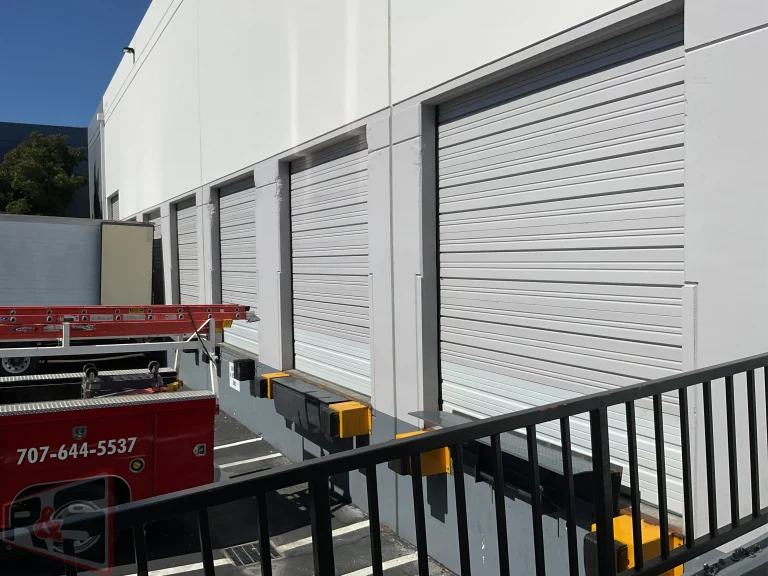
If you manage a warehouse, distribution center, or any facility with a loading dock in Vallejo, CA, you already know how fast things can go sideways when equipment is not properly maintained. Loading docks are one of the busiest and most hazardous areas in any operation. Forklifts, dock levelers, dock seals, vehicle restraints, and overhead doors all work together, and when one piece fails, the entire workflow stops, and the risk of injury shoots up.
Keeping everything running safely is not just about following rules. It is about building habits and systems that protect your workers and your dock equipment every single day.
Why a Safe Loading Dock Starts Before the Truck Arrives
Most loading dock incidents do not start with a mechanical failure. They start before the truck even backs in. Preparation and communication between dock workers and drivers are the first layer of safety that often gets overlooked.
Here are the pre-arrival safety habits that make a real difference:
- Confirm dock assignments and communicate them clearly to drivers before they back in.
- Make sure wheel chocks and vehicle restraints are in position before any worker boards a trailer.
- Check that dock levelers are fully retracted and in the stored position when not in use.
- Ensure the dock area is clear of debris, standing water, or any slip hazard before the truck arrives.
- Verify that dock lights and communication signals are working so drivers and workers are on the same page.
To learn more about what your facility should have in place, read What Safety Equipment Every Loading Dock Needs to make sure nothing important is missing from your setup.
Essential Loading Dock Equipment You Need to Keep in Working Order
Not all loading dock equipment gets equal attention. Some pieces, like dock levelers and vehicle restraints, are used dozens of times a day. Others, like dock seals and bumpers, quietly wear down over months without anyone noticing until there is a problem.
Understanding what each piece of equipment does and what it needs to stay functional is the foundation of a safe dock.
Dock Levelers
Dock levelers bridge the gap between the dock floor and the trailer floor. Mechanical, hydraulic, and air-powered models are the most common types. Hydraulic models require fluid checks and seal inspections. Mechanical levelers need spring tension checks and lip hinge lubrication. Signs that a leveler needs attention include slow response, unusual noise, or uneven positioning.
Vehicle Restraints
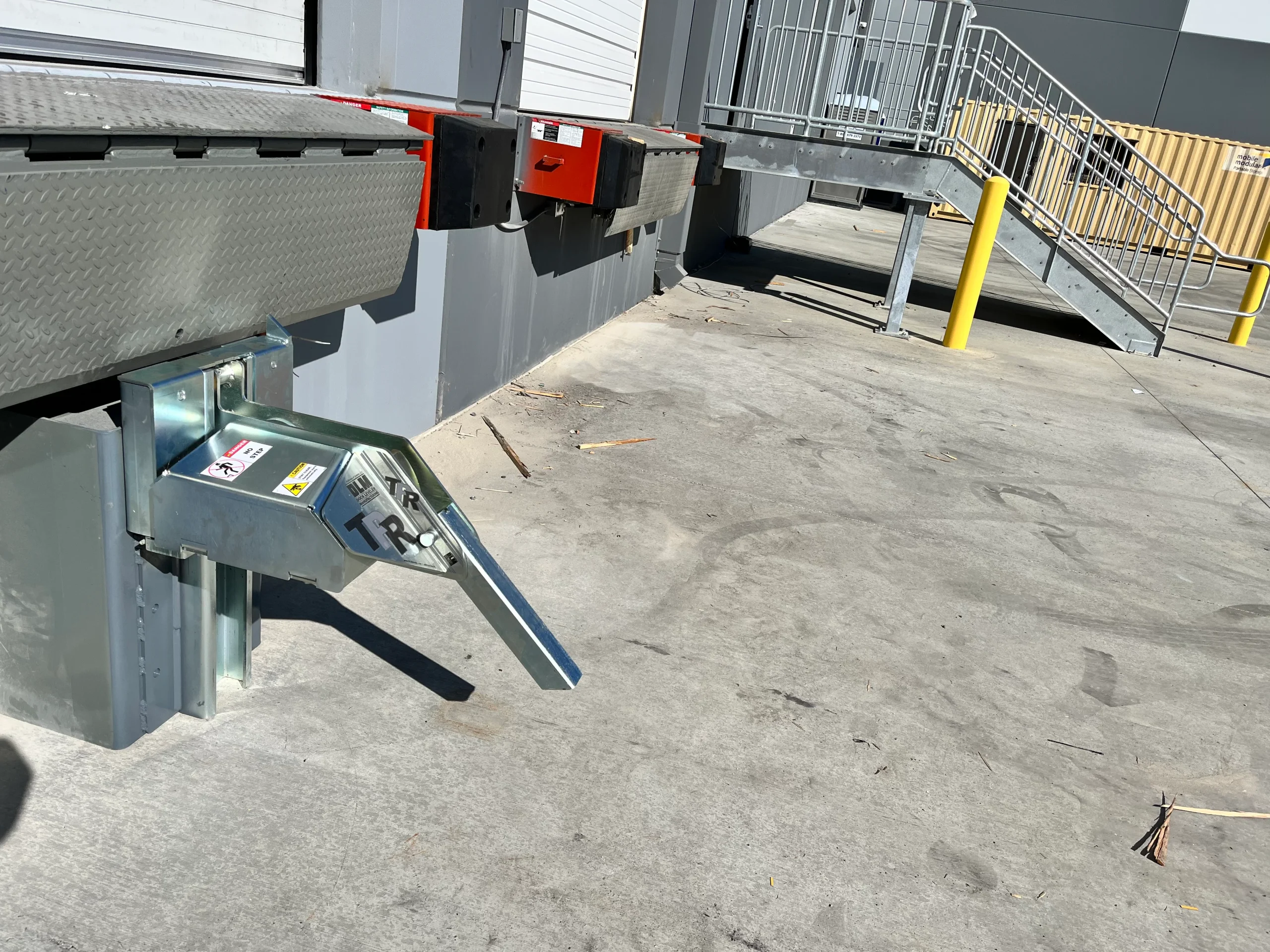
Vehicle restraints lock onto the trailer’s rear impact guard to prevent trailer creep or separation. If a restraint fails to engage properly or shows signs of damage, it should be taken out of service immediately. These are not optional safety devices; they are critical.
Dock Seals and Shelters
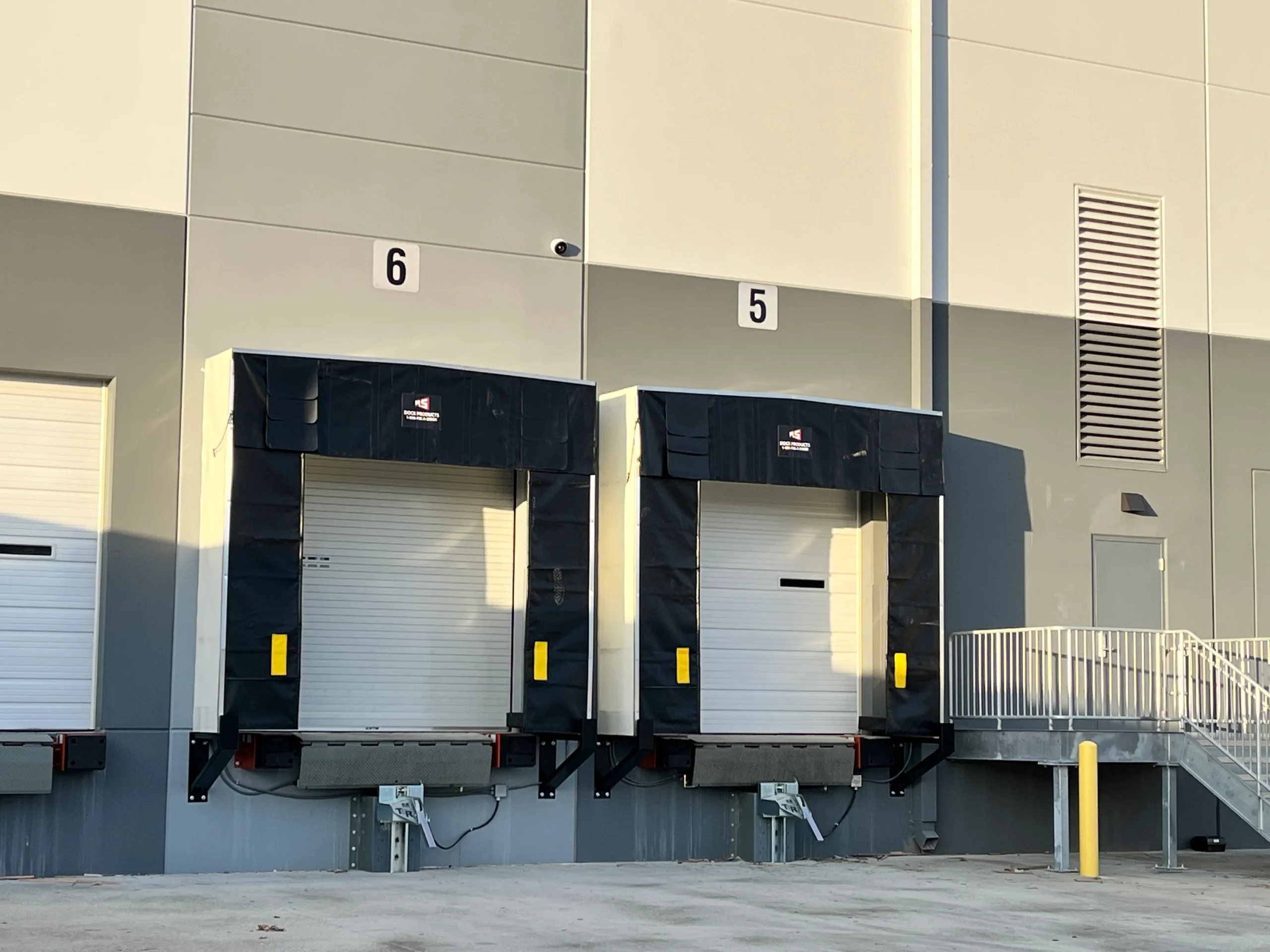
Seals and shelters protect the dock opening from weather and help maintain indoor temperatures. Torn foam, damaged fabric, or missing header padding reduces their effectiveness and creates energy loss and potential safety hazards during loading.
Overhead Dock Doors
Overhead doors take a beating in high-traffic dock environments. Springs, cables, rollers, and tracks all wear with use. A door that opens unevenly, makes grinding sounds, or moves slowly is telling you it needs professional attention before it becomes a safety issue.
Dock Bumpers
Bumpers protect the dock face and the trailer from damage during backing. Cracked, missing, or compressed bumpers reduce their ability to absorb impact. Replacing worn bumpers is a low-cost fix that prevents expensive structural damage.
The Daily Habits That Keep Loading Dock Equipment Safe
There is a big difference between a dock that gets inspected once a year and one where workers pay attention every single day. Daily habits are what catch problems early, before they turn into injuries or expensive repairs. For overhead doors specifically, consistent daily checks can also reduce how often you need to call in commercial garage door services for unplanned repairs.
Follow these daily safety habits to stay ahead of problems:
- Walk the dock at the start of every shift and look for anything out of place, loose, damaged, or missing.
- Test dock levelers and vehicle restraints before the first truck of the day to confirm they are operating correctly.
- Check the overhead door operation by running it through a full open and close cycle and listening for anything unusual.
- Inspect dock bumpers and seals visually for tears, compression damage, or missing sections.
- Clear the dock floor of any debris, spills, or obstructions that could create a slip or trip hazard.
How to Build a Loading Dock Safety Inspection Routine
Daily walkthroughs catch visible problems. A structured inspection routine catches the ones you cannot see without looking closer. Facilities that treat inspections as optional tend to discover problems at the worst possible time, usually during peak operations.
Following established safety standards helps facilities reduce risk and stay compliant with industry protocols.
Weekly Inspections
Once a week, a designated team member should do a more thorough check beyond the daily walkthrough:
- Test the full range of motion on all dock levelers and check for hydraulic leaks or unusual resistance.
- Inspect vehicle restraint hooks, arms, and control panels for wear or damage.
- Check door cables, springs, and rollers for signs of fraying, rust, or wear.
Monthly Inspections
Monthly checks go even deeper and should be documented:
- Lubricate all moving parts on dock levelers, door tracks, and hinges using manufacturer-recommended lubricants.
- Inspect dock seals and shelters for tears, compression damage, and attachment point integrity.
- Review and update your safety inspection log so you have a record of everything checked and any issues found.
Annual Professional Inspections
Once a year, have a qualified technician inspect all dock equipment. They can identify wear patterns, misalignments, and mechanical issues that are not obvious to untrained eyes. This is also a good time to address any deferred maintenance before it becomes a bigger problem.
For a broader look at maintenance guidelines, industry associations outline what regular upkeep should cover.
Common Loading Dock Safety Mistakes and How to Avoid Them
Even experienced dock teams fall into habits that create unnecessary risk. These are the mistakes that show up most often in facilities that have had incidents:
- Skipping vehicle restraints because a truck is only going to be there for a few minutes. Trailer separation can happen in seconds.
- Allowing workers on a trailer before the restraint is engaged and confirmed locked.
- Ignoring door noises or slow operation as just a quirk of older equipment. These are early warning signs.
- Letting dock levelers rest in a stored position that is slightly off-level without investigating why.
- Delaying repairs because operations are too busy. A broken dock bumper today can lead to structural dock damage next week.
Training Your Team to Operate Loading Dock Equipment Safely
Equipment does not fail in isolation. Most dock incidents involve a human decision that either made a problem worse or missed an opportunity to catch it early. Training is what bridges the gap between having safe equipment and operating it safely.
A strong dock safety training program should cover:
- How each piece of dock equipment works and what proper operation looks like.
- What to do when equipment shows signs of malfunction, including who to notify and how to take equipment out of service.
- Proper use of personal protective equipment (PPE) in dock areas, including high-visibility vests and steel-toed footwear.
- Emergency procedures for trailer separation, equipment failure, and forklift incidents.
Knowing when equipment needs more than a visual check is just as important as the training itself. Our complete guide on When to Inspect and Replace Your Loading Dock Equipment covers the specific timelines and warning signs that every dock team should know.
How Weather and Environment Affect Loading Dock Equipment Safety
Vallejo, CA, sits in a location that sees a mix of coastal humidity, fog, heat, and the occasional heavy rain. All of these conditions affect how loading dock equipment performs and wears over time.
Here is what to watch for in different weather and environmental conditions:
- Humidity and coastal air accelerate rust on springs, cables, tracks, and metal door components. More frequent lubrication and rust-inhibiting treatments help.
- Wet dock floors increase slip risk significantly. Anti-slip dock plates, floor coatings, and drainage checks should be part of your wet-weather routine.
- Heat can affect hydraulic fluid viscosity in dock levelers, leading to slower or inconsistent operation. Checking fluid levels during warmer months is a good habit.
- Cold mornings can stiffen mechanical components and affect door spring tension. A brief warm-up cycle before full operations begin can prevent unnecessary stress on equipment.
When to Call a Professional for Loading Dock Equipment Repairs
There is a line between what a trained dock worker can safely handle and what requires a qualified technician. Crossing that line with the wrong repairs can turn a minor fix into a serious safety hazard.
Call a professional when you see any of the following:
- Broken or visibly damaged torsion springs on overhead dock doors. Spring repairs involve stored tension and are dangerous without proper training and tools.
- Hydraulic fluid is leaking from the dock levelers. This affects function and indicates internal component failure.
- Vehicle restraints that fail to engage, disengage, or show damage to the hook or arm mechanism.
- Overhead doors that are off-track, binding, or have damaged cables.
- Any dock leveler that is unresponsive, inconsistent in positioning, or makes structural noises.
Average repair costs vary depending on the equipment type and the extent of the issue. Getting a professional assessment early typically costs less than waiting for a complete failure. For context on what drives safety rule compliance, our breakdown of Why Loading Dock Safety Rules Are Non-Negotiable explains the consequences facilities face when maintenance is delayed too long.
Keep Your Dock Running Safely, Every Single Day
Loading dock safety is not a one-time effort. It is the result of consistent habits, structured inspections, trained workers, and equipment that gets the attention it needs before small issues become serious ones. Whether you are managing a single-bay dock or a multi-door distribution facility in Vallejo, CA, the principles covered in this guide give you a practical foundation to work from.
When dock equipment needs professional service, or you are not sure where to start, R&S Erection of Vallejo is ready to help. Their team brings hands-on experience with loading dock equipment, overhead doors, and safety systems across the Vallejo area. Contact us today or give us a call to schedule an inspection, request a repair, or get expert guidance on keeping your dock operating at its best.
Frequently Asked Questions
What is the most important piece of safety equipment on a loading dock?
Vehicle restraints are widely considered the most critical safety device because they prevent trailer separation, which is one of the leading causes of serious dock injuries.
Can dock levelers be repaired in-house or do they require a professional?
Surface-level lubrication and visual inspections can be done in-house. Hydraulic system repairs, spring adjustments, or structural issues should always be handled by a qualified technician.
How do I know if my overhead dock door needs replacement versus repair?
If the door has recurring issues, significant structural damage, or the repair cost approaches the cost of a new door, replacement is usually the more practical and cost-effective choice.
What causes dock levelers to stop working properly?
The most common causes are low hydraulic fluid, worn springs, debris buildup in the lip hinge area, or electrical issues in powered models. Regular lubrication and cleaning prevent most of these problems.
Are dock bumpers required by safety regulations?
While specific requirements vary by jurisdiction, dock bumpers are considered a standard safety component in most commercial and industrial facilities and are included in OSHA general safety guidelines for loading areas.
How does the weather in Vallejo, CA affect dock equipment maintenance needs?
Coastal humidity and temperature shifts in the Vallejo area accelerate rust and affect hydraulic fluid performance. Facilities here generally benefit from more frequent lubrication and rust-prevention treatments than inland locations.
What PPE should dock workers wear during loading and unloading?
Standard dock PPE includes high-visibility vests, steel-toed footwear, and hard hats in areas where overhead equipment is in use. Gloves are also recommended when handling dock components directly.
How long does a typical dock leveler last?
A well-maintained dock leveler typically lasts 15 to 25 years, depending on usage volume, equipment type, and how consistently it receives preventive maintenance.
What should I do if a vehicle restraint fails to engage during operation?
Stop all dock activity immediately, do not allow any workers onto the trailer, and tag the restraint as out of service. Contact a qualified technician to inspect and repair the unit before resuming operations.