
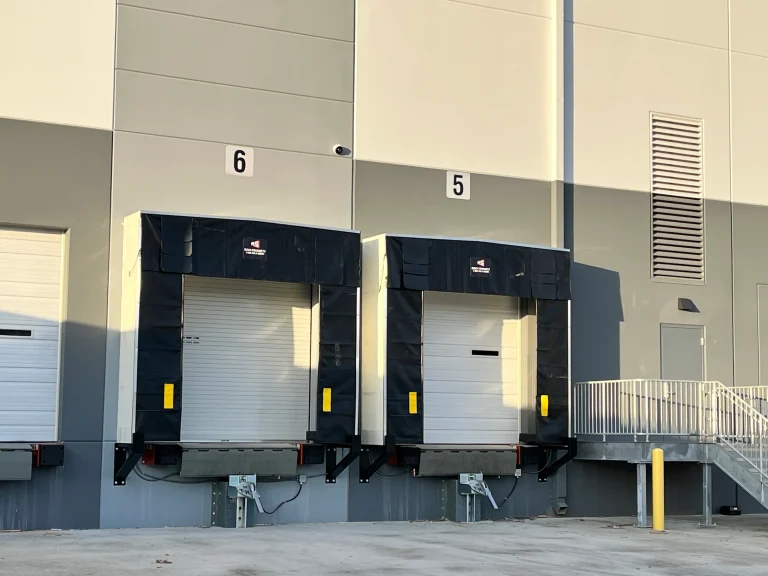
Loading docks move billions of dollars’ worth of freight every day. They are also responsible for a disproportionate number of serious workplace injuries. The U.S. Bureau of Labor Statistics consistently lists loading and unloading operations among the most hazardous tasks in warehousing and logistics, and facilities in Vallejo, CA, are no exception.
The rules that govern loading dock operations are not there to slow anyone down. They exist because the consequences of skipping them are well-documented, often severe, and almost always preventable. Every safety rule tied to loading dock operations traces back to a specific failure point in dock equipment, whether it is a vehicle restraint that was not engaged, a leveler that dropped unexpectedly, or an overhead door that failed mid-cycle.
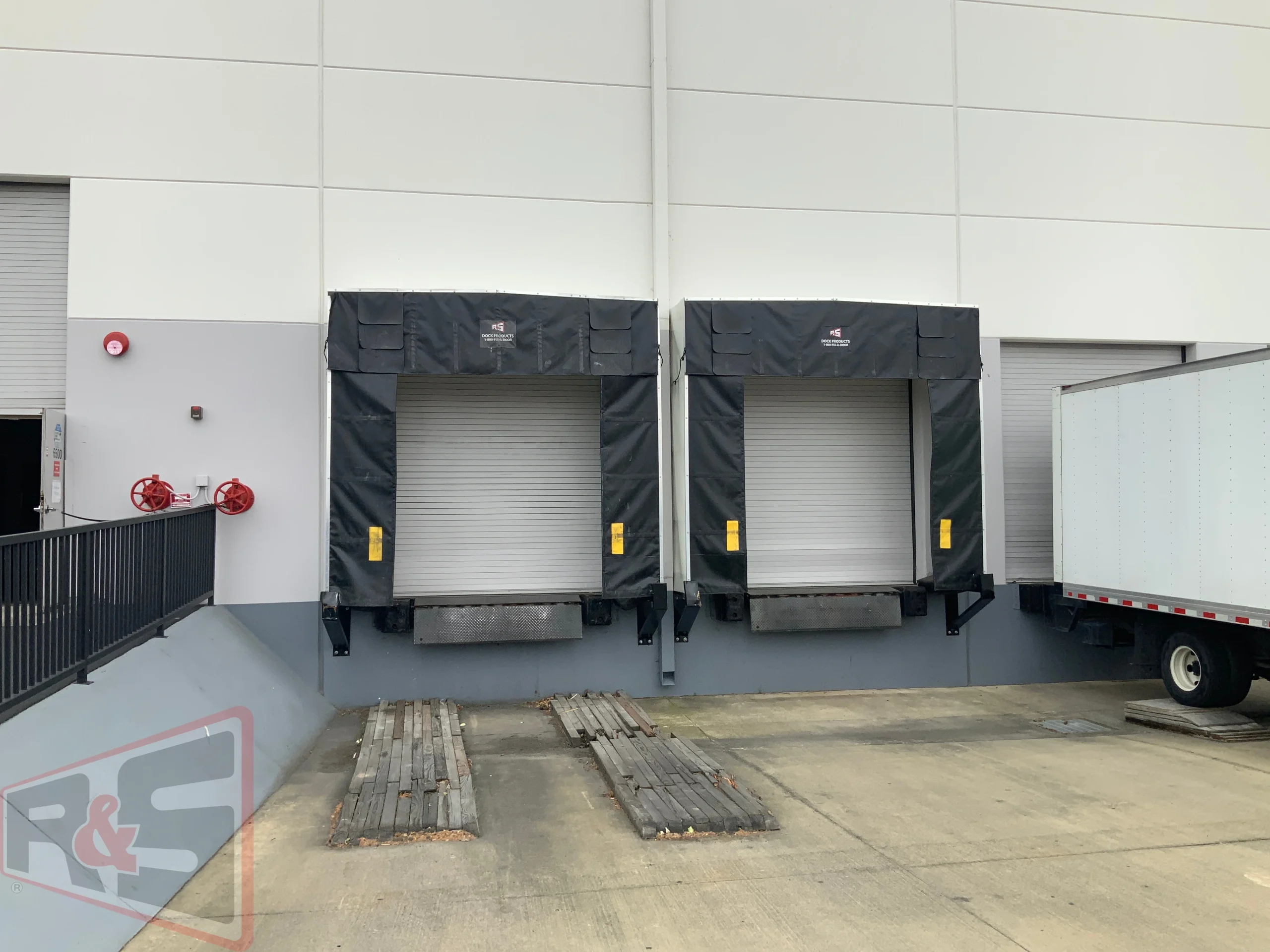
The Real Reasons Loading Dock Accidents Happen
Most loading dock accidents are not random. They follow recognizable patterns, and those patterns point directly to specific gaps in safety practice. Understanding what actually causes dock incidents is the first step toward understanding why the rules around them are so firm.
Human Error and Skipped Procedures
- Workers board trailers before vehicle restraints are confirmed and locked in place.
- Drivers pulling away from the dock before receiving a clear all-clear signal from dock staff.
- Forklifts operating on dock levelers that have not been properly positioned or verified.
- Dock personnel assumed communication had happened when no formal confirmation was given.
Equipment That Was Not Maintained
- Vehicle restraints that appear functional but fail to engage or hold under load.
- Dock levelers with hydraulic wear that causes unexpected drops during operation.
- Overhead door cables or springs that have visible wear but have not been flagged for service.
- Bumpers that have compressed past their effective range and no longer absorb impact properly.
Communication Failures Between Drivers and Dock Workers
- No formal confirmation that workers have cleared the trailer before the driver receives departure clearance.
- Dock light systems that are broken, misunderstood, or not being used consistently.
- Language or radio communication gaps between drivers and dock workers in busy operations.
- Drivers who are unfamiliar with the facility’s specific dock protocols and are not briefed at check-in.
If you want to know exactly what safety equipment should be in place to prevent these failures before they start, read What Safety Equipment Every Loading Dock Needs to make sure your dock has everything it should.
What Loading Dock Safety Rules Are Actually Protecting Against
Each major category of dock safety rule maps directly to a specific category of incident. Once you see the connection, the rules stop feeling like bureaucracy and start feeling like exactly what they are, a direct response to documented harm.
Vehicle Restraint Rules Prevent Trailer Separation
- Restraint engagement must be confirmed before any worker boards a trailer, without exception.
- Visual or audible confirmation signals should be part of every dock’s restraint protocol.
- Restraints must be inspected regularly because a worn or damaged restraint provides no real protection.
- Any restraint that fails to engage reliably must be taken out of service immediately, not flagged for later.
Dock Leveler Rules Prevent Falls and Equipment Damage
- Levelers must be rated for the loads they will carry, and that rating must be respected every cycle.
- Hydraulic levelers require fluid checks and seal inspections to prevent unexpected drops during use.
- Mechanical levelers need spring tension checks and lip hinge inspections to ensure consistent operation.
- Any leveler that positions unevenly or responds slowly is a safety issue, not just a maintenance issue.
Overhead Door Rules Prevent Crush and Strike Injuries
- Auto-reverse and safety sensor functions must be tested regularly, not assumed to be working.
- Cable and spring inspections catch wear before it becomes failure, which is the entire point.
- Operational clearance rules keep workers and equipment out of the door’s path during movement.
Organizations like ULSE outline why automatic door safety standards exist and how they protect workers every day.
To understand the full scope of when each piece of equipment needs professional attention, read When to Inspect and Replace Your Loading Dock Equipment for the specific inspection timelines and replacement indicators every dock team should know.
The Compliance and Liability Picture Facilities Cannot Ignore
Beyond the human cost, there is a regulatory and financial reality that makes dock safety rules non-negotiable from a business standpoint as well.
OSHA Expectations for Loading Dock Operations
- Powered industrial truck standards apply to every forklift operating on or near a dock leveler.
- Walking and working surface standards apply to dock floors, leveler surfaces, and trailer interiors.
- Material handling standards cover how loads are moved, staged, and secured throughout dock operations.
- Facilities with incident histories can expect more frequent inspections and a lower threshold for citations.
Workers’ Compensation and Insurance Exposure
- A single serious injury can generate workers’ compensation claims that affect premiums for multiple years.
- Litigation costs in cases involving inadequate safety protocols can exceed the original injury claim.
- Insurance providers increasingly require documented safety programs as a condition of coverage in high-risk operations.
- The cost of preventive safety measures is consistently a fraction of what a single significant incident costs.
The Role of Documentation in Protecting Your Facility
- Inspection logs demonstrate that equipment was being checked on a regular and consistent schedule.
- Training records show that workers received instruction in the specific procedures relevant to their roles.
- Maintenance histories show that known issues were addressed rather than deferred indefinitely.
- Incident and near-miss reports show that the facility takes safety seriously enough to document and investigate problems.
Understanding the specific causes behind dock incidents also helps clarify which rules deserve the most attention. Our breakdown of common door problems is the first step toward knowing which rules matter most.
Why Even Well-Run Facilities Still Get This Wrong
It would be reasonable to assume that newer facilities with experienced teams and modern equipment are safer by default. The reality is more complicated, and the gaps that exist in well-run operations are often the hardest to spot.
Familiarity Breeds Complacency
- Skipping the restraint confirmation because it has never failed before is exactly how it eventually does fail.
- Assuming the leveler is fine because it has always been fine misses the cumulative wear that happens between inspections.
- Informal communication shortcuts that work ninety-nine times out of a hundred are the source of the one time they do not.
- Safety rules provide a consistent external standard that does not fluctuate with individual confidence levels.
High Turnover Creates Persistent Knowledge Gaps
- Newer workers frequently take on dock responsibilities before completing formal safety onboarding.
- Facility-specific protocols that are not written down effectively disappear when the people who know them leave.
- Informal training from a coworker does not satisfy OSHA documentation requirements and may not cover all relevant procedures.
- Posted procedures, documented onboarding, and formal training cycles address this gap regardless of personnel changes.
Aging Equipment Creates Hidden Risk
- Springs, cables, and hydraulic seals have finite service lives that are not visible from normal operation.
- A leveler that works on every cycle may be operating within its wear tolerances but close to the edge of them.
- Without a formal replacement schedule, components are typically replaced after they fail rather than before.
- Regular professional assessments catch this category of risk before it becomes an incident.
How Vallejo Facilities Can Build a Culture Where Safety Rules Get Followed
Rules on paper do not protect anyone. The facilities with the best safety records are the ones where procedures are treated as operational fundamentals rather than compliance requirements that exist to satisfy an audit. That includes making sure physical assets like overhead doors are supported by reliable commercial garage door services so equipment performance never becomes the weak link in an otherwise strong safety culture.
Make Safety Procedures Part of the Physical Environment
- Posted checklists at each bay make the required steps visible and consistent regardless of who is working.
- Visual confirmation signals for restraint engagement remove the ambiguity from one of the most critical safety steps.
- Clear floor markings for equipment operation zones keep workers and machinery in their correct positions.
- Dock light systems that are maintained and consistently used reduce communication gaps with drivers.
Build Accountability Into Daily Operations
- Shift-start walkthroughs create a daily checkpoint that catches visible equipment issues before operations begin.
- Equipment sign-off procedures tie individual workers to specific safety checks, increasing attention and follow-through.
- Daily inspection logs create a paper trail that supports both accountability and documentation requirements.
- Supervisor spot-checks reinforce that safety procedures are being followed, not just acknowledged.
Treat Near-Misses With the Same Seriousness as Incidents
- A near-miss reporting culture signals that the facility takes safety seriously enough to investigate close calls.
- Near-miss investigations often reveal procedural gaps or equipment issues that formal inspections did not catch.
- Acting on near-miss reports before an incident occurs is the most cost-effective form of safety management available.
For the specific equipment checks and maintenance timelines that support this kind of safety culture, How to Keep Loading Dock Equipment Operating Safely covers the day-to-day practices that keep rules from becoming just words on a wall.
What Happens When Safety Rules Are Consistently Ignored
The consequences of treating dock safety rules as optional accumulate over time. Facilities that experience repeated incidents face outcomes that extend well beyond the cost of any single event.
Regulatory Scrutiny Compounds Over Time
- A facility with multiple dock incidents can expect more frequent unannounced inspections.
- Repeat violations in the same category signal systemic failure, which carries higher penalty exposure.
- California state agencies often enforce standards that go beyond federal minimums, adding another layer of exposure.
- Documented non-compliance can affect a facility’s ability to secure certain contracts or certifications.
Worker Confidence and Retention Decline
- Reduced confidence translates directly into reduced attention to detail during high-risk tasks.
- Facilities with poor safety reputations experience higher turnover, which creates the knowledge gaps that increase risk further.
- Workers who do not trust that their safety is taken seriously are less likely to report near-misses or raise concerns.
- A deteriorating safety culture tends to reinforce itself until a significant incident forces a reset.
The Financial Consequences Compound Across Years
- Workers’ compensation claims from serious injuries can affect premium rates for three to five years after the incident.
- Legal costs in cases involving documented safety gaps can exceed the original claim by a significant margin.
- Regulatory fines accumulate and signal to insurers that the facility’s risk profile is elevated.
- For many operations, a single preventable fatality costs more than a decade of proactive safety investment would have.
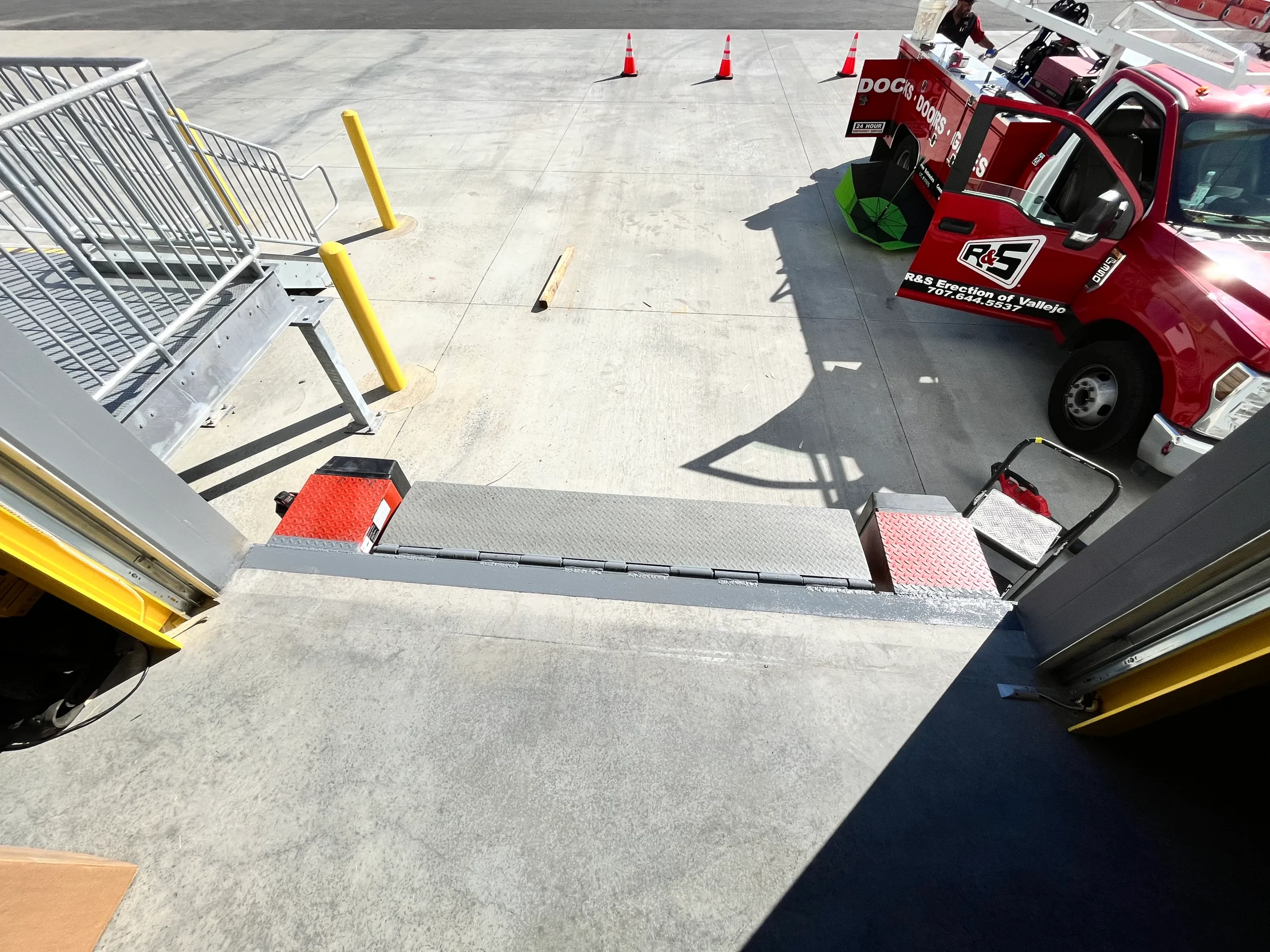
Safety Rules Exist Because the Alternatives Are Worse
Loading dock safety rules are non-negotiable because the incidents they prevent are non-recoverable. A worker who falls from dock height, a trailer that separates with a forklift on board, or a door failure that catches someone in its path are not problems that get resolved with a repair order. They change lives permanently.
For Vallejo facilities that want to move beyond compliance and build operations where safety is genuinely embedded in daily practice, R&S Erection of Vallejo provides the professional assessments, equipment servicing, and guidance needed to get there. Contact us today or give us a call to schedule an inspection and take the guesswork out of where your dock safety stands today.
Frequently Asked Questions
Are loading dock safety rules federally mandated or just industry recommendations?
Many loading dock safety requirements fall under OSHA's general industry standards, which are federally enforceable. Some specific protocols are also governed by state-level regulations that may exceed federal minimums.
How does a facility prove it is following safety rules after an incident?
Documented inspection logs, training records, equipment maintenance histories, and written safety procedures are the primary evidence used by regulators and insurers to assess whether a facility had adequate safety practices in place.
Can a facility be cited by OSHA even if no injury occurred?
Yes. OSHA can issue citations based on observed violations of safety standards even when no injury has occurred. The absence of an incident does not indicate the absence of a violation.
What is the difference between a dock safety rule and a dock safety guideline?
Rules are enforceable standards that carry regulatory or contractual consequences when violated. Guidelines are recommended practices that represent industry best standards but are not legally binding.
How often should dock safety procedures be reviewed and updated?
Safety procedures should be reviewed at least annually and updated whenever equipment changes, incident investigations identify new risks, or regulatory updates affect applicable standards.
Does dock safety training need to be formal or can it be done on the job?
OSHA requires that training for powered industrial trucks and other dock-related equipment be documented and conducted by a qualified trainer. Informal on-the-job instruction alone does not satisfy the documentation requirements.
What role do drivers play in loading dock safety?
Drivers are a critical part of dock safety. They are responsible for responding to dock signals, keeping the truck stationary until cleared, and communicating their status to dock workers.
How does workforce turnover affect loading dock safety?
High turnover creates knowledge gaps where newer workers take on dock responsibilities without adequate training. Documented onboarding protocols and formal training cycles are the mechanisms that prevent this from becoming a recurring risk.
What is a near-miss and why does it matter for dock safety?
A near-miss is an unplanned event that did not result in injury but had the potential to do so. Near-misses are far more common than actual incidents and typically indicate the same systemic gaps that eventually produce injuries if left unaddressed.