
How Do You Fix a Garage Door That Won’t Close All the Way: Simple Steps
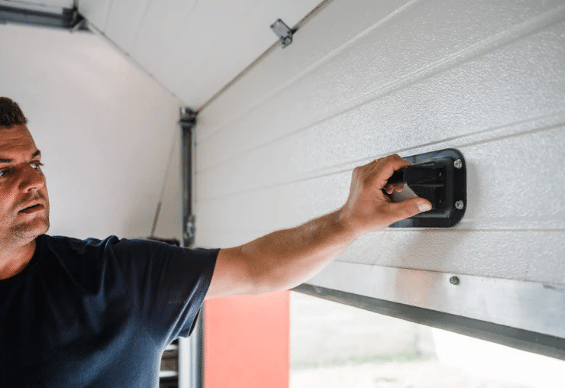
Garage door won’t close all the way? Discover expert-approved steps to diagnose and fix the issue safely. Don’t risk damage, learn what to do today! A garage door that won’t fully close can be a big problem. It risks your home’s safety and invites pests or bad weather. How do you fix a garage door that won’t close all the way? This guide explains everything simply. Begin by checking the sensors at the bottom of the garage door. Make sure they’re clean, lined up, and not blinking. Also, look at the tracks for dirt or objects. Even tiny objects can keep the garage door from closing fully. Next, check the garage door opener’s limit settings. If the door stops early or reverses, adjust the settings. Call a garage door repair pro if it makes strange sounds or parts look broken. They can safely and quickly fix cables, rollers, or springs. Reasons Why a Garage Door Won’t Close All the Way Before diving into repairs, it’s essential to understand why your garage door isn’t closing properly. Here are the most common causes: 1. Obstructed Safety Sensors Garage door safety sensors sit at the bottom of the door tracks. If something blocks them or they aren’t lined up properly, the door won’t close. Clean them often and make sure they point at each other to work right. 2. Misaligned Tracks If the garage door tracks are bent or uneven, the door might stick or stop halfway. Tracks guide the door’s movement, so any misalignment can cause problems. Check regularly and fix any gaps, bends, or loose bolts quickly. 3. Worn-Out or Broken Springs Garage door springs lift and lower the door by balancing its weight. If a torsion or extension spring breaks, the door may stay open or not close fully. Springs wear out over time and should be replaced by a professional. 4. Limit Switch Issues The limit switch tells your garage door opener how far the door should move. If it’s set wrong, the door may stop too early. Adjusting the limit switch can help the door close without coming back up. 5. Damaged or Worn Rollers Garage door rollers let the door glide along the track. The door won’t move smoothly if the rollers are cracked, rusty, or stuck. This can stop it from closing. Replacing worn-out rollers helps keep your door running properly and quietly. 6. Loose or Broken Cables Garage door cables make it easier to open and close the door. If the cables become loose, frayed, or snap, your door may not work right or close fully. Broken cables are risky and should be fixed by a garage door professional. 7. Weather Stripping Interference Old or misaligned weather stripping at the bottom of your garage door can get in the way. If it’s cracked, thick, or shifted, it might stop the door from sealing fully. Replace or adjust the strip to keep your door working. Steps on How to Fix a Garage Door That Won’t Close It’s frustrating when your garage door doesn’t shut properly. But don’t worry, it’s usually easy to fix. Keep reading to find out how to fix a garage door that won’t close all the way and get it working right again. Step 1: Inspect and Clean the Safety Sensors Most modern garage doors have safety sensors near the floor on either side of the door. These infrared sensors must align properly; otherwise, the door will reverse when trying to close. Step 2: Examine the Garage Door Tracks Misaligned or dirty tracks can prevent smooth operation. Step 3: Check the Garage Door Springs Garage door springs are tightly stretched and can be risky to work with. If you suspect spring issues: Step 4: Adjust the Limit Switch The garage door opener’s limit switch controls how far the door moves. If it is not set correctly, the door might stop too early. Step 5: Inspect Rollers and Hinges Old rollers or loose hinges can make the door get stuck. Step 6: Examine Cables and Pulleys Frayed or snapped cables are a serious issue and should be handled by professionals. However, you can visually inspect them: Step 7: Test the Manual Operation Pull the release cord and close the door by hand. Step 8: Reset the Garage Door Opener Sometimes, resetting the opener can resolve glitches. When to Call a Professional for Garage Door Repairs Some problems can be fixed with simple checks, but others need a professional’s help. 1. Broken Springs or Cables Garage door springs and cables hold a lot of weight and help the door open and close. If one breaks, the door may not open or close properly. These parts are dangerous to fix, so always let a professional handle the repair safely. 2. Severe Track Misalignment If the tracks are badly bent or shifted, the door can get stuck or fall off, causing serious damage or injury. Fixing severe misalignment takes skill and the right tools, so leave it to someone with the proper experience. 3. Motor or Opener Malfunction If the opener stops working, the door might not move at all. Common causes include broken parts, wiring problems, or overheating. Instead of guessing, a trained expert can check the system and determine what needs fixing. 4. Persistent Sensor Issues Garage door sensors are key for safety. If cleaning and realigning don’t solve the problem, there could be deeper issues. In this case, it’s best to call a garage door repair service to inspect and fix the problem quickly and safely. Preventive Maintenance Tips to Avoid Future Issues To keep your garage door functioning smoothly and prevent future problems, follow these maintenance tips: 1. Lubricate Moving Parts Lubricate the rollers, hinges, and tracks every six months to keep your garage door working smoothly. Use a silicone spray, not grease. This helps prevent rust, reduces noise, and makes sure your door parts move without sticking or wearing out early. 2. Tighten Loose Hardware Garage doors move frequently, which can
