
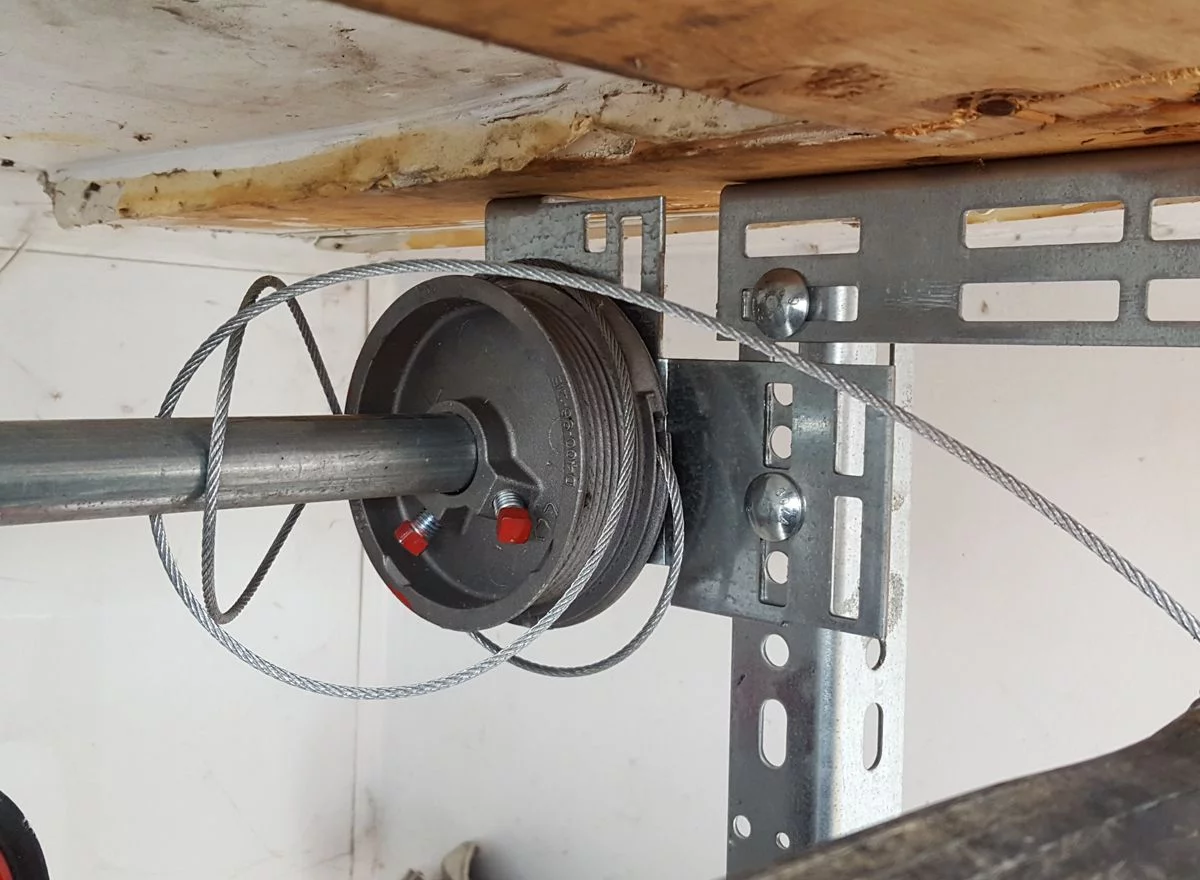
Garage door cables are one of those parts most homeowners never think about until something goes wrong. A frayed garage door cable can be easy to miss at first, but it often signals deeper wear within the garage door system. In many Vallejo, CA homes, cable damage develops slowly due to age, climate exposure, and everyday use rather than a sudden failure.
These steel cables work alongside springs and drums to lift and lower the door safely. When cables begin to fray, the door may still move for a while, but the risk of sudden failure increases over time. Understanding what causes garage door cables to fray, what signs to look for, and how to reduce future damage can help homeowners make informed decisions before safety becomes a concern.
This guide explains the most common causes of frayed garage door cables, why the issue matters, and what steps homeowners should take next, including when professional garage door services may be appropriate, without turning it into a DIY repair manual.
1. Normal Wear and Tear Over Time
Every garage door cable has a limited lifespan. These cables are under constant tension, supporting the full weight of the garage door every time it opens and closes. Over thousands of cycles, the steel strands slowly weaken.
In many Vallejo homes, garage doors are used multiple times each day. That daily motion causes small amounts of friction where the cable winds around the drum. Over time, individual strands can begin to thin, loosen, or break away from the cable bundle.
This type of wear usually happens gradually, which is why homeowners often don’t notice it right away.
What to check:
- Thin or uneven sections along the cable
- Small wire strands sticking out
- One cable appears more worn than the other
How to reduce wear:
- Limit unnecessary door cycles
- Schedule periodic inspections as the system ages
Normal wear is expected, but catching it early helps prevent larger problems later.
For a deeper look at warning signs and next steps, the blog Frayed Garage Door Cable: Signs, Risks, and What to Do offers helpful insight for homeowners.
2. Rust and Corrosion from Moisture Exposure
Vallejo’s coastal location plays a major role in garage door cable damage. Moist air, fog, and seasonal rain create conditions that encourage rust and corrosion on metal components.
Garage door cables often sit near the floor or against exterior-facing walls, where moisture levels tend to be higher. Rust weakens steel from the inside, making cables more likely to fray even if they look mostly intact from a distance.
Corrosion is especially common near the cable ends and where the cable wraps tightly around the drum.
What to check:
- Orange or brown discoloration
- Rough or pitted cable surfaces
- Stiff sections that no longer move smoothly
Prevention tips:
- Keep the garage dry and well-ventilated
- Address water leaks or poor door seals promptly
Moisture-related corrosion is one of the most common causes of premature cable damage in coastal California communities.
For a closer look at the safety concerns this kind of damage can create, see Is a Frayed Garage Door Cable Dangerous?
3. Misaligned or Worn Cable Drums
Cable drums guide the garage door cables as the door moves. When drums are worn or misaligned, the cable may no longer sit properly in the drum grooves.
Instead of winding smoothly, the cable can rub against the drum edge or overlap unevenly. This added friction causes certain sections of the cable to wear much faster than others, leading to fraying.
Often, homeowners notice that one side of the door lifts unevenly before realizing there’s cable damage.
What to check:
- Cables slipping out of the drum grooves
- Uneven lifting or tilting of the door
- Fraying concentrated near the drum
Prevention tips:
- Address uneven door movement early
- Have alignment checked during routine service
Drum-related wear is rarely visible from the outside, which is why professional inspections are important.
If you’re unsure whether continued operation is safe, the blog Can You Use a Door With a Frayed Garage Door Cable? explores this question in more detail.
4. Improper Cable Tension
Garage door cables rely on balanced tension to operate correctly. If tension is too high or too low, stress shifts unevenly across the cable strands.
Over-tension pulls the cable tighter than intended, increasing friction and strain. Under-tension allows slack, which can cause the cable to jump or rub during movement. Both conditions accelerate fraying.
Improper tension often develops after partial repairs or adjustments that don’t fully restore system balance.
What to check:
- Jerky or uneven door movement
- Slack in one cable while the other appears tight
- Noisy operation during lifting
Prevention tips:
- Avoid adjusting spring systems without training
- Address balance issues before visible damage appears
Tension problems often affect multiple components, not just the cables.
5. Failing or Unbalanced Springs
Springs and cables work together to lift the garage door safely. When springs begin to wear out or lose strength, cables are forced to handle more load than they were designed for.
This extra strain causes cable strands to stretch, thin, and eventually fray. In many cases, cable damage is actually a warning sign that the spring system is nearing the end of its lifespan.
Homeowners may notice the door feels heavier or moves more slowly before cable damage becomes visible.
What to check:
- Increased resistance when lifting the door manually
- Loud noises from the spring area
- Fraying appears shortly after spring issues
Prevention tips:
- Inspect springs before they fully fail
- Treat cable damage as a system-wide issue
Replacing cables without addressing worn springs often leads to repeated problems.
6. Poor Installation or Incorrect Cable Type
Garage door cables are not universal. Each door system requires a specific cable length, thickness, and routing based on door size and weight.
When incorrect cables are installedor routed improperly, they may rub against brackets, tracks, or other hardware. This constant contact wears away at the cable strands.
Improper installation is more common in older homes or systems that have been repaired multiple times over the years.
What to check:
- Cables rubbing against metal surfaces
- Uneven winding patterns
- Fraying in unusual locations
Prevention tips:
- Ensure replacement parts match the system
- Avoid shortcuts during repairs
Correct component matching plays a major role in long-term cable durability.
7. Track Alignment and Structural Shifts
Garage door tracks guide the door’s movement, but even small alignment changes can affect cable paths. In Vallejo, soil movement, aging foundations, and minor seismic activity can gradually shift door framing.
When tracks move out of alignment, cables may pull at an angle instead of straight up and down. This added stress causes uneven wear and fraying over time.
What to check:
- Scraping or rubbing sounds
- Visible gaps between rollers and tracks
- Cable wear appears uneven
Structural shifts are slow and easy to overlook, but they can have long-term effects on cable health.
8. Dirt, Debris, and Lack of Maintenance
Dust, dirt, and debris act like sandpaper on moving parts. When buildup collects on cable drums or tracks, cables experience increased friction during every cycle.
Over time, this constant abrasion breaks down cable strands, especially in garages used for storage or exposed to outdoor debris.
What to check:
- Dust buildup near drums
- Sticky or noisy door operation
Prevention tips:
- Keep hardware areas clean
- Schedule light maintenance inspections
Simple cleanliness can significantly extend cable life.
Why a Frayed Garage Door Cable Is a Safety Risk
A frayed garage door cable is more than a cosmetic issue. Cables support the door’s weight, and failure can cause sudden drops, uneven movement, or a complete system breakdown.
While cables rarely snap without warning, fraying indicates the margin of safety is shrinking. Continuing to use the door places stress on other components and increases the risk of damage or injury.
Addressing cable issues early through timely garage door repair helps protect vehicles, property, and people using the garage.
What to Do If You Notice a Frayed Cable
If you spot a frayed cable, continued operation usually makes the problem worse. Each cycle increases stress on already weakened strands.
Most homeowners are advised to:
- Stop using the door if fraying is visible
- Avoid manual adjustments
- Schedule a professional evaluation
Average repair costs can vary depending on system condition and prior garage door installation, but early intervention typically prevents larger, more expensive issues.
How to Reduce the Chances of Cable Fraying
While cables eventually wear out, homeowners can reduce damage by:
- Watching for early warning signs
- Keeping the garage environment dry
- Addressing balance issues promptly
- Scheduling periodic inspections
Preventive care focuses on the system as a whole, including garage door openers, not just individual parts.
The Long-Term Factors Behind Frayed Garage Door Cables
Frayed garage door cables rarely happen overnight. They develop slowly due to wear, moisture exposure, misalignment, and system imbalance. In Vallejo, CA, coastal conditions and aging homes can accelerate this process, making early detection especially important.
Understanding what causes cable fraying helps homeowners recognize when something isn’t right and take action before safety becomes a concern. By staying attentive to changes in door operation and addressing issues early, garage door systems can remain reliable, safe, and functional for years to come.
Professional Garage Door Support in Vallejo, CA
For homeowners in Vallejo, having a knowledgeable local professional can make all the difference when cable wear or other garage door concerns arise. R&S Erection of Vallejo has decades of experience working with residential garage door systems and understands how coastal conditions, aging components, and everyday use affect long-term performance. Our team focuses on accurate evaluations and practical solutions that prioritize safety and reliability. If you’ve noticed signs of cable wear or want peace of mind about your garage door’s condition, contact us today or give us a call to schedule an inspection and keep your system operating safely and smoothly.
Frequently Asked Questions
Can I keep using my garage door if the cable is frayed?
It’s not recommended. Continuing to use the door puts extra stress on already weakened cables and can also damage springs, drums, and tracks. What starts as a cable issue can quickly turn into a larger system failure if the door keeps operating.
What are the first signs of a frayed garage door cable?
Early signs often include small wire strands sticking out, uneven lifting, jerky movement, or unusual noises during operation. In many cases, homeowners notice one side of the door lifting differently before they see visible fraying.
Why does only one garage door cable look frayed?
This is very common. Cable wear is often uneven due to slight misalignment, drum wear, or tension imbalance. One cable may carry more load than the other, causing it to fray faster, even though both cables were installed at the same time. For additional background on how cable issues develop and why replacement is sometimes necessary, helpful information is available from Clopay.
Does Vallejo’s climate affect garage door cables?
Yes. Vallejo’s coastal air, fog, and moisture increase the risk of rust and corrosion. Over time, moisture weakens steel cables from the inside, making them more likely to fray earlier than in drier climates.
Are frayed cables usually caused by poor maintenance?
Not always. While lack of maintenance can speed up wear, many frayed cables are simply the result of normal aging and daily use. That said, routine inspections help catch problems early and reduce the chance of sudden failure.
Should garage door cables be replaced in pairs?
In most cases, yes. If one cable is frayed, the other has usually experienced similar wear, even if it looks intact. Replacing both cables helps maintain balanced operation and reduces the risk of uneven stress on the system.
Can frayed cables damage other garage door parts?
Absolutely. When cables weaken, extra strain is placed on springs, drums, and the opener. This can lead to premature wear of multiple components, increasing repair complexity and average costs over time.
How long do garage door cables usually last?
Cable lifespan varies based on usage, environment, and system balance. In general, cables last several years, but heavy daily use, coastal moisture, or spring issues can shorten their lifespan. Regular inspections help determine when replacement is needed. For further insight into how cable condition affects safe operation, additional information is available from The Entourage.
Is cable fraying a sign that the entire garage door system is failing?
Not necessarily, but it is a warning sign. Fraying often indicates that one or more components, such as springs, drums, or alignment, are no longer working together properly. Addressing the issue early usually prevents broader system problems.
Can I keep using my garage door if the cable is frayed?
It’s not recommended. Continuing to use the door puts extra stress on already weakened cables and can also damage springs, drums, and tracks. What starts as a cable issue can quickly turn into a larger system failure if the door keeps operating.
What are the first signs of a frayed garage door cable?
Early signs often include small wire strands sticking out, uneven lifting, jerky movement, or unusual noises during operation. In many cases, homeowners notice one side of the door lifting differently before they see visible fraying.
Why does only one garage door cable look frayed?
This is very common. Cable wear is often uneven due to slight misalignment, drum wear, or tension imbalance. One cable may carry more load than the other, causing it to fray faster, even though both cables were installed at the same time. For additional background on how cable issues develop and why replacement is sometimes necessary, helpful information is available from Clopay.
Does Vallejo’s climate affect garage door cables?
Yes. Vallejo’s coastal air, fog, and moisture increase the risk of rust and corrosion. Over time, moisture weakens steel cables from the inside, making them more likely to fray earlier than in drier climates.
Are frayed cables usually caused by poor maintenance?
Not always. While lack of maintenance can speed up wear, many frayed cables are simply the result of normal aging and daily use. That said, routine inspections help catch problems early and reduce the chance of sudden failure.
Should garage door cables be replaced in pairs?
In most cases, yes. If one cable is frayed, the other has usually experienced similar wear, even if it looks intact. Replacing both cables helps maintain balanced operation and reduces the risk of uneven stress on the system.
Can frayed cables damage other garage door parts?
Absolutely. When cables weaken, extra strain is placed on springs, drums, and the opener. This can lead to premature wear of multiple components, increasing repair complexity and average costs over time.
How long do garage door cables usually last?
Cable lifespan varies based on usage, environment, and system balance. In general, cables last several years, but heavy daily use, coastal moisture, or spring issues can shorten their lifespan. Regular inspections help determine when replacement is needed. For further insight into how cable condition affects safe operation, additional information is available from The Entourage.
Is cable fraying a sign that the entire garage door system is failing?
Not necessarily, but it is a warning sign. Fraying often indicates that one or more components, such as springs, drums, or alignment, are no longer working together properly. Addressing the issue early usually prevents broader system problems.
