

Many business owners do not think about security until something goes wrong, like a missing piece of equipment or a former employee who still has a key. An access control system can be a smart investment because it helps close these gaps before they turn into bigger problems. It gives owners a way to manage who enters their property, track activity, and reduce the risks that come with outdated locks. For businesses in Vallejo, CA, where commercial properties often share parking lots, loading docks, or after-hours access, this level of control has become less of a luxury and more of a basic operating need.
This guide looks at the real reasons access control matters, from liability protection to daily convenience, so you can see exactly where the value comes from. Many owners assume security upgrades are only worth the cost after an incident occurs, but the businesses that benefit most are usually the ones that put a system in place before anything happens, not after.
Helping Protect Your Business From Unauthorized Access
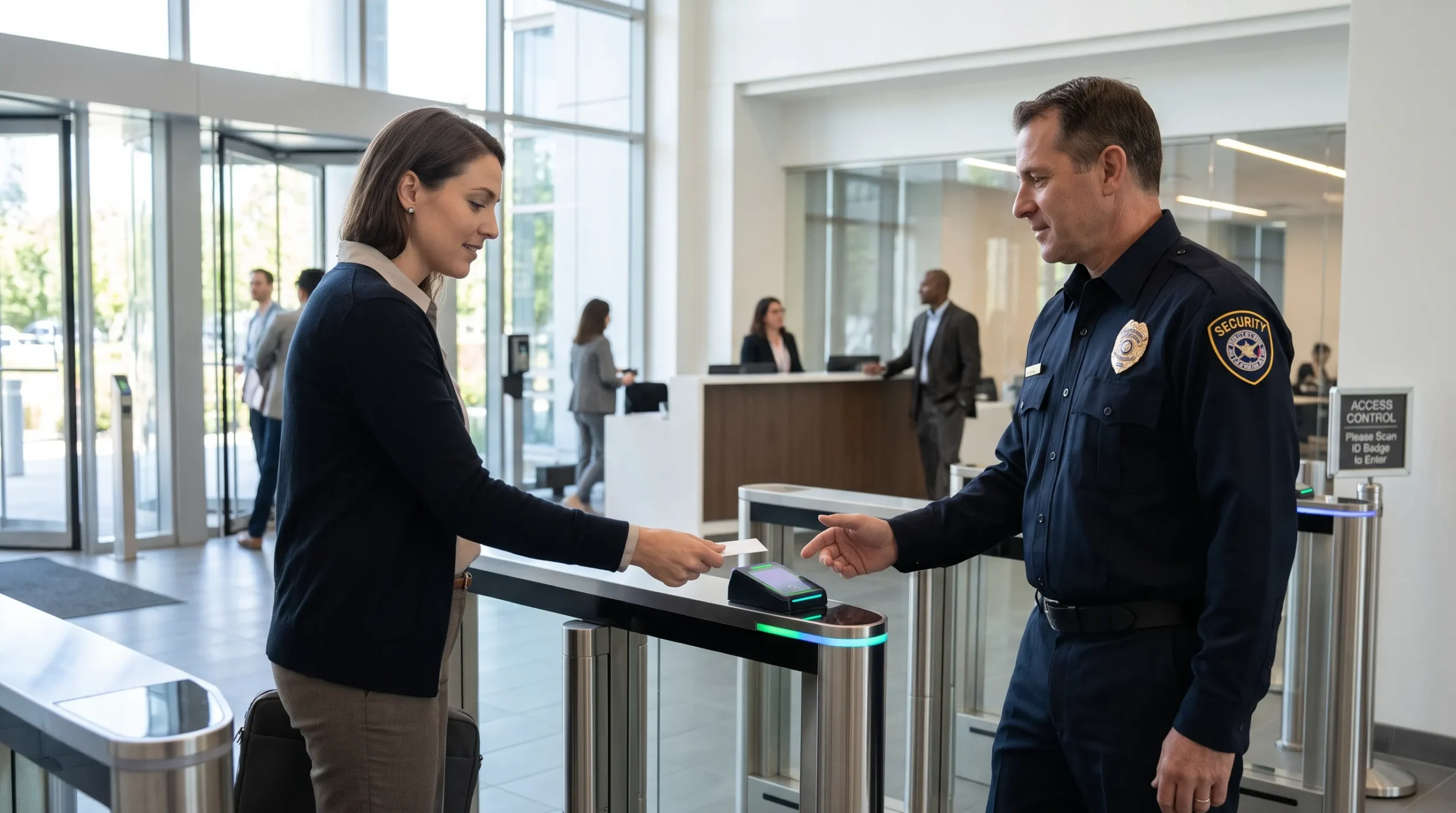
Unauthorized entry is one of the more common risks a business faces, and one that access control can help reduce. A property without a reliable system depends entirely on staff remembering to lock doors and keep track of every key, which rarely holds up over time. This is especially true for properties with several entrances or shared spaces, where it only takes one overlooked door to create a real problem.
Common Entry Point Vulnerabilities
Every building has weak points that are easy to overlook until they are tested by someone trying to get in without permission. Identifying these areas early is usually far simpler than dealing with the aftermath of a break-in or unauthorized visitor.
- Side or rear doors that are rarely checked
- Shared entrances used by multiple tenants
- Loading docks left open during busy hours
- Spare keys that were never accounted for
A quick walkthrough of your property with these points in mind can reveal gaps that may have gone unnoticed for years.
How Credentials Reduce Security Risks
Electronic credentials remove much of the guesswork involved in managing who has access to a property. Unlike a metal key, a credential can be adjusted or shut off the moment a concern comes up, without needing to involve a locksmith.
- Lost cards or fobs can be deactivated immediately
- Access can be limited to specific hours or days
- Permissions can be changed without rekeying anything
- Visitor credentials can expire automatically
These small adjustments can add up to a tighter level of security than most owners realize is possible until they see it in practice.
Before diving deeper into the business case, it helps to understand the basics first. Our guide on What Is an Access Control System? explains how these systems work from the ground up.
Reducing Liability and Insurance Concerns
Liability is one of the more overlooked reasons access control matters. When an incident happens on a commercial property, the ability to show who had access and when can make a real difference in how the situation is handled, both internally and with outside parties like insurance providers or legal representatives.
Tracking Who Enters and When
Detailed entry logs give business owners a clear record instead of relying on memory or guesswork after the fact. This kind of documentation is something traditional locks simply cannot provide.
- Logs show the exact time of each entry
- Records can be pulled for a specific date range
- Logs help confirm whether a door was used at all
- Data can support claims if a dispute comes up later
This kind of documentation gives owners something concrete to reference instead of relying on assumptions when questions come up.
Supporting Incident Investigations
When something does go wrong, having a system in place can make the investigation process smoother for everyone involved, since there is data to reference instead of relying purely on statements or memory.
- Entry records narrow down who was present
- Footage from paired cameras can confirm activity
- Reports can be shared with insurance providers if needed
- Patterns in the data can reveal repeat issues early
Having this information available from day one, rather than scrambling to piece it together after the fact, puts business owners in a stronger position.
Improving Daily Operations for Vallejo Businesses
Beyond security, access control also makes everyday operations easier to manage, which is something many owners do not expect until they switch over from traditional locks. The time saved on small administrative tasks often adds up to a noticeable difference over a single year.
Saving Time on Key Management
Managing physical keys becomes harder as a business grows, especially with multiple staff members or rotating schedules. What feels manageable with a handful of employees can quickly become a real burden as the team expands.
- No more cutting new keys for new hires
- No need to rekey doors after someone leaves
- Access changes take minutes instead of days
- One dashboard can manage every door on the property
For owners juggling multiple responsibilities, removing this administrative burden alone can justify the investment.
Comparing System Types Before You Decide
Not every access control system fits every business the same way, and understanding the categories available makes the decision easier.
- Some systems work best for single-entrance properties
- Others are built for multi-door commercial buildings
- Cloud-based options suit owners who travel often
- On-premises systems may suit properties with strict data needs
Comparing options ahead of time also helps avoid paying for features your property does not actually need. Our guide on What Are The Types Of Access Control Systems? breaks down the most common options so you can compare them side by side.
Access Control as Part of a Bigger Security Strategy
Access control tends to work best when it supports the rest of your security setup rather than standing alone. Treating it as one layer of a broader plan, rather than a complete solution on its own, tends to produce better results for most commercial properties. Many insurance providers also take documented security measures into account, and reviewing business security insurance guidance can help owners understand how a documented security system may affect coverage or premiums, though the exact impact varies by provider and policy.
Pairing With Cameras and Alarms
Cameras and alarms fill in gaps that access control alone cannot cover.
- Cameras confirm activity at unmonitored doors
- Alarms alert staff if a door is forced
- Combined systems reduce blind spots around a property
Following Recognized Security Standards
Sticking to recognized standards can help ensure a system holds up when it matters most, rather than looking secure on paper while quietly falling short in practice. This is especially true for properties that rely on commercial garage door services, since bay doors and loading areas often need to meet the same fire, life safety, and security standards as any other entry point.
- Systems should support fire and life safety requirements
- Encrypted credentials help protect against duplication
- Routine inspection keeps hardware working as intended
Knowing When Your Business Is Ready for an Upgrade
Some businesses wait too long to upgrade simply because the existing setup still technically works, even if it no longer fits the size or pace of the operation. Waiting for a clear failure before acting often means dealing with the upgrade under more pressure than necessary.
Signs Your Business Has Outgrown Basic Locks
- Staff size has grown beyond what keys can manage, which is often the point where businesses start comparing smart, app-based locks against traditional keyed hardware to see what fits their scale
- Multiple locations now need shared oversight
- Vendors or contractors need limited, short-term access
- Past incidents have exposed gaps in the current setup
If more than one of these points sounds familiar, it is usually a sign that the current setup is no longer matching the needs of the business.
Questions to Ask Before Investing
Before committing to a new system, it helps to ask a few honest questions about your property and how it operates day to day. Taking this step seriously now can help prevent a mismatched system from becoming a costly mistake later.
- How many entry points need to be covered
- Will the business expand to new locations soon
- What is the average cost range for a property this size
- Who will manage day-to-day access changes
Walking through these questions with a professional before signing a contract usually leads to a system that fits the property correctly the first time.
Our guide on How To Choose The Right Access Control System walks through this decision process step by step.
Take the Next Step Toward Stronger Security

Every business owner puts time, money, and effort into building something worth protecting. An access control system is one of the more practical ways to help safeguard that investment without adding extra work to your day. From reducing liability to making daily operations smoother, the benefits extend well beyond simply locking a door, and the value tends to become more apparent the longer a system stays in place.
R&S Erection of Vallejo helps local business owners put the right access control system in place for their property, whether that means a single entrance or a multi-door commercial building. If you are ready to take the next step, contact us today or give us a call to talk through your options.
Frequently Asked Questions
Does access control help with employee accountability?
Yes, entry logs give owners a clearer record of staff movement, which can support accountability without requiring constant supervision.
Can access control lower insurance costs?
Some insurance providers consider documented security measures when calculating premiums, though the exact impact varies by provider and policy, and it is not guaranteed to lower costs for every business.
Is access control only useful for large buildings?
No, even small properties with a single entrance can benefit from the added control and tracking that these systems provide.
How does access control help during a security incident?
Entry logs and paired camera footage can help confirm what happened and who was present, which can support any necessary investigation.
Do I need a professional to manage daily access changes?
Most systems are simple enough for a manager or owner to handle daily changes, though a professional is recommended for installation and setup.
Can access control systems support multiple business locations?
Yes, many cloud-based systems allow owners to manage access across several properties from a single account.
What is the biggest risk of not having access control?
The biggest risk is losing track of who has access to your property, which often goes unnoticed until an incident forces the issue.
Does upgrading require replacing all existing hardware?
Not always, since some upgrades can work with existing doors and wiring, depending on the system chosen. Compatibility often comes down to the type and construction of the doors already in place, so it is worth confirming this with your installer before assuming a full replacement is needed.
How do I know if my business has outgrown its current setup?
If managing keys has become time-consuming or you no longer know who has access, it is likely time to consider an upgrade.