
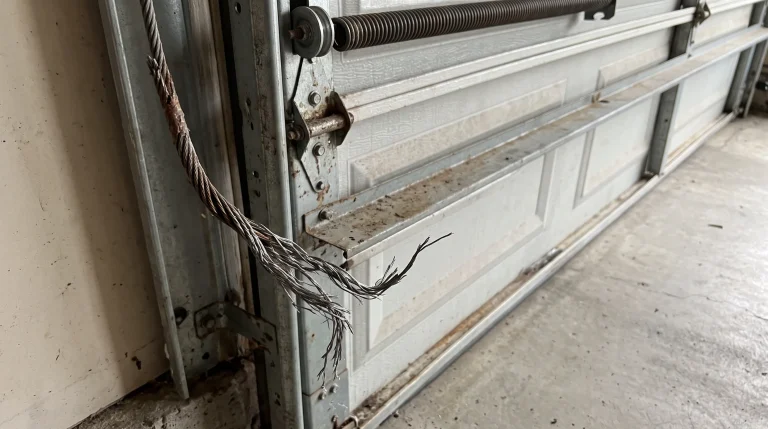
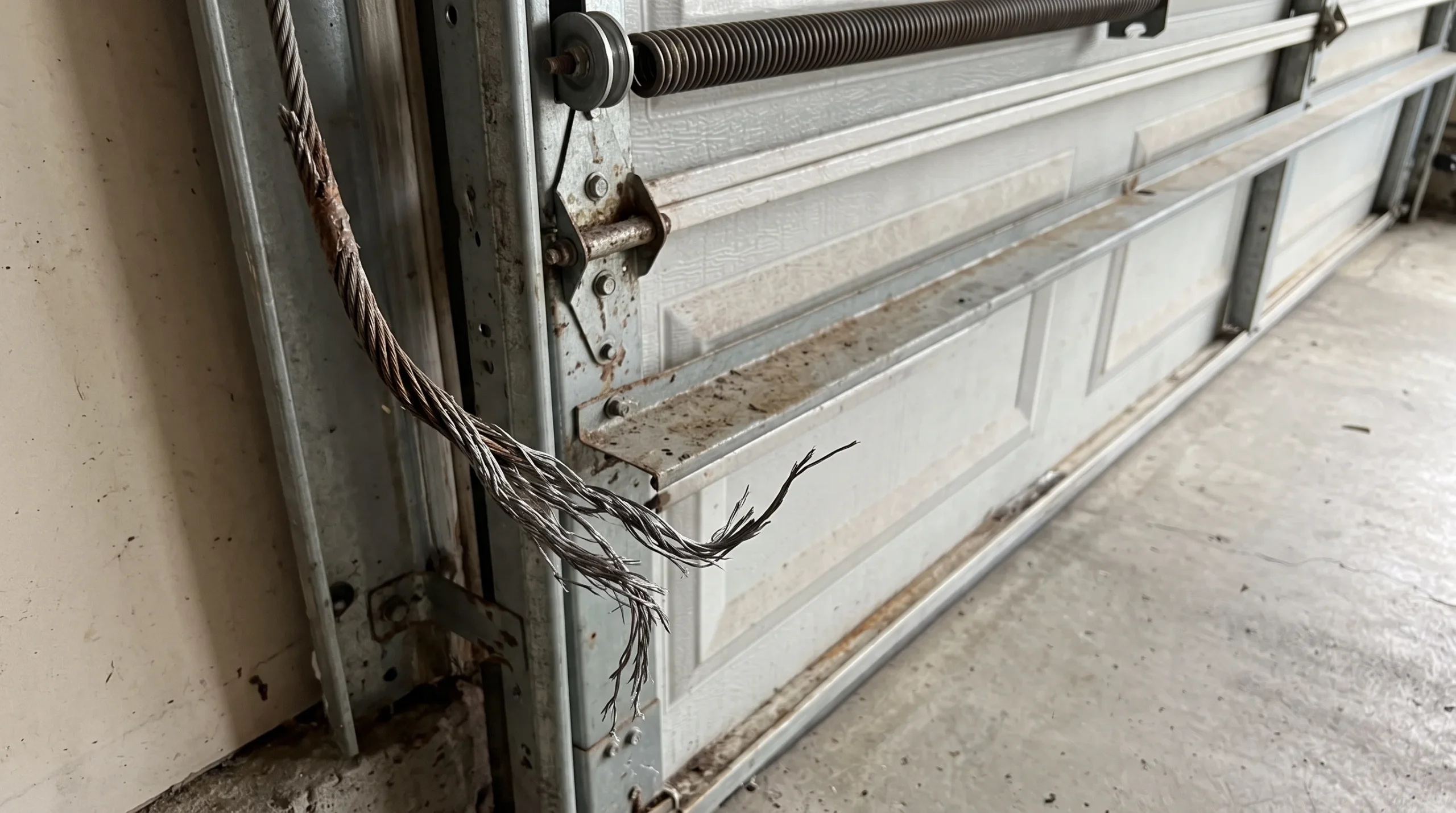
Garage door problems don’t always start with loud bangs or total failure. In many homes, especially in places like Vallejo, issues develop slowly due to daily use, weather exposure, and normal wear. One of the most overlooked problems is a frayed garage door cable.
Garage door cables do a heavy job. They help lift and lower a door that can weigh hundreds of pounds. When cables begin to fray, the door may still work for a while. That’s why many homeowners don’t notice the problem until it becomes serious. From years in the garage door industry, it’s common to see cable damage that could have been addressed earlier with a simple inspection.
This guide explains how to recognize frayed garage door cables, why they’re dangerous, and what steps to take next. It’s written to be clear, practical, and easy to understand, without pushing DIY repairs or technical shortcuts or promoting specific garage door services. Knowing what’s happening with your garage door helps you make safer, smarter decisions.
What Is a Garage Door Cable and Why Does It Matter?
Garage door cables are thick steel wires that run along the sides of the door. They wrap around drums near the top of the door and work together with the springs to lift and lower the door smoothly.
Without these cables, the springs alone cannot safely control the door’s movement. The cables keep the door balanced, guide it straight, and prevent sudden drops. Even a small amount of damage can affect how the door moves.
From real-world experience, cable problems rarely happen overnight. Most fraying develops over months or years due to stress, moisture, or misalignment. That’s why understanding their role is important. When cables fail, the entire system is at risk.
For a deeper look into why this damage occurs, you may also find our blog What Causes a Frayed Garage Door Cable? helpful.
9 Clear Signs of a Frayed Garage Door Cable
1. Visible Fraying or Broken Cable Strands
One of the most obvious signs is seeing loose steel strands sticking out of the cable. This often appears near the bottom bracket or close to the drum at the top. Even one or two broken strands mean the cable is weakening.
Steel cables are made of many small wires twisted together. When some break, the remaining strands must carry more weight, increasing the chance of sudden failure.
2. Garage Door Lifts Unevenly
If one side of the garage door rises faster than the other, cable tension is likely uneven. This usually means one cable is damaged or stretched more than the other.
Uneven lifting puts extra strain on the opener and tracks. Over time, this can cause additional damage beyond the cable itself.
3. Door Jerks or Shudders During Operation
A smooth garage door should move steadily. If the door jerks, shakes, or hesitates, the cable may be catching on the drum due to fraying.
Many homeowners think this is an opener issue, but in practice, cables are often the real cause.
4. Loose or Slack Cable on One Side
Cables should remain tight when the door is closed. A loose or hanging cable on one side is a strong warning sign.
Slack cables mean the door is no longer balanced. This condition can quickly lead to the door coming off track or jamming.
5. Grinding or Scraping Noises
Frayed cables don’t move smoothly. When they scrape against metal drums or tracks, they create grinding or scraping sounds.
These noises usually worsen over time and should never be ignored.
6. Garage Door Won’t Fully Open or Close
Damaged cables can prevent the door from traveling its full distance. The opener may stop early or reverse unexpectedly.
Forcing the door to move past this point can make the damage worse and increase safety risks.
7. Door Feels Heavier Than Usual
If the door feels harder to lift manually, the cables may no longer be sharing the load properly with the springs.
This added strain often leads to spring wear and opener stress.
8. Rust or Corrosion on Cables
In areas near the coast, like Vallejo, moisture and salty air can cause rust to form on steel cables.
Rust weakens the metal and speeds up fraying, even if the door appears to be working normally.
9. Door Suddenly Slams Shut or Stops Mid-Way
This is one of the most dangerous signs. A cable that’s close to snapping can cause the door to drop suddenly or stop without warning.
If this happens, stop using the door immediately and keep people clear of the area.
Why Frayed Garage Door Cables Are Dangerous
Garage door cables are under extreme tension. When they fail, they don’t slowly give way; they snap. A broken cable can cause the door to fall, tilt, or slam shut.
From industry experience, most cable-related injuries happen when warning signs are ignored. People assume the door will keep working until it suddenly doesn’t.
Frayed cables also affect other parts of the system. Springs, tracks, rollers, and openers all suffer additional stress when cables aren’t doing their job. What starts as a cable issue can quickly turn into a larger safety and repair problem.
To better understand the risks involved, our blog Is a Frayed Garage Door Cable Dangerous? offers more detailed insight.
What Causes Garage Door Cables to Fray Over Time
Several factors contribute to cable wear:
- Daily use: Each open and close cycle adds stress
- Moisture exposure: Common in coastal climates
- Rust and corrosion: Weakens steel strands
- Poor alignment: Causes uneven wear on one side
- Aging springs: Transfer extra load to the cables
- Lack of maintenance: Small issues go unnoticed
In real-world conditions, cables rarely reach their maximum lifespan. Environmental exposure and normal use shorten their service life, especially without regular inspections.
What to Do If You Notice a Frayed Garage Door Cable
If you spot fraying, the safest step is to limit use of the garage door. Avoid repeated opening and closing, especially if the door already moves unevenly.
Do not attempt to tighten, cut, or adjust the cable yourself. Garage door cables are connected to high-tension springs, and improper handling can cause serious injury.
The best next step is scheduling a professional inspection. A trained technician can confirm the extent of the damage and check the rest of the system for related issues.
If you’re unsure whether continued use is safe, our blog Can You Use a Door With a Frayed Garage Door Cable? explains what homeowners should know.
Can You Still Use the Garage Door With a Frayed Cable?
Technically, the door may still move, but that doesn’t mean it’s safe.
In some cases, limited use may be unavoidable, such as moving a vehicle once. However, continued operation increases the risk of sudden failure and may lead to more extensive garage door repair needs. From an expert standpoint, using a garage door with a frayed cable should be considered temporary and risky.
Average Cost to Replace Frayed Garage Door Cables
On average, garage door cable replacement costs fall within a moderate range. The exact cost depends on factors like:
- Door size and weight
- Type of cable system
- Extent of wear or related damage
Addressing cable problems early often keeps costs lower. Delayed repairs can lead to additional parts needing replacement and, in more severe cases, may even affect future garage door installation needs.
Tips to Prevent Garage Door Cable Problems
While cables naturally wear out, these steps can help reduce risk:
- Look at cables every few months for fraying or rust
- Listen for new or unusual sounds
- Keep the area dry and clean
- Address uneven door movement early
- Schedule routine inspections
Preventive attention is one of the most effective ways to avoid sudden failures and reduce unnecessary strain on garage door openers.
What a Professional Will Check During an Inspection
A professional inspection typically includes:
- Cable condition and tension
- Drum alignment
- Spring balance
- Track alignment
- Overall door movement
Cables are rarely checked alone. A full system review helps ensure long-term reliability and safety.
Why Vallejo Homeowners See Cable Issues More Often
Vallejo’s coastal climate brings higher humidity and salt exposure. These conditions accelerate rust on steel components like garage door cables.
Many homes in the area also have older garage door systems, which increases the chance of worn components. Regular inspections are especially important in these environments.
When to Call a Garage Door Professional
You should call a professional if you notice:
- Visible fraying
- Uneven door movement
- Loud grinding noises
- Sudden stopping or slamming
These signs indicate safety risks that shouldn’t be ignored.
Don’t Ignore a Frayed Garage Door Cable
A frayed garage door cable is not just a minor issue; it’s a warning sign. While the door may continue to work for a short time, the risk increases with every use.
Understanding the signs, causes, and risks helps homeowners make informed decisions. Early attention protects your safety, your property, and the long-term reliability of your garage door system.
Staying aware and proactive is always better than reacting after a failure.
Trusted Local Expertise for Garage Door Safety in Vallejo
For homeowners who want peace of mind and experienced local support, R&S Erection of Vallejo is a long-standing name in garage door systems and safety. Our team understands how issues like frayed cables affect the entire door system and focuses on thorough inspections and reliable solutions rather than quick fixes. If you’re noticing warning signs or simply want a professional opinion, contact us today or give us a call to schedule an inspection and keep your garage door operating safely and dependably.
Frequently Asked Questions
Can a frayed garage door cable snap without warning?
Yes. Once strands break, the cable can snap suddenly during normal use.
Is it safe to open my garage door if the cable is frayed?
No. Continued use raises the risk of the door dropping or getting stuck. This article from The Entourage provides a helpful overview.
What causes garage door cables to fray faster?
Daily wear, rust, poor balance, weak springs, and humid or coastal air.
Can I fix a frayed garage door cable myself?
No. Cables are under high tension and can cause serious injury without proper tools and training.
How long do garage door cables usually last?
They can last years, but weather, heavy use, and door weight often shorten their lifespan.
Will a frayed cable damage other garage door parts?
Yes. It can strain springs, stress the opener, and cause uneven movement.
How much does it usually cost to replace garage door cables?
It’s typically a mid-range repair. Fixing it early helps avoid higher costs later; this homeowner-focused guide from Angi offers a helpful overview.
How can I prevent garage door cables from fraying?
Check cables regularly, watch for uneven movement, and schedule routine inspections.
When should I call a garage door professional?
Immediately, if you see fraying, uneven lifting, loud noises, or sudden stops.
Can a frayed garage door cable snap without warning?
Yes. Once strands break, the cable can snap suddenly during normal use.
Is it safe to open my garage door if the cable is frayed?
No. Continued use raises the risk of the door dropping or getting stuck. This article from The Entourage provides a helpful overview.
What causes garage door cables to fray faster?
Daily wear, rust, poor balance, weak springs, and humid or coastal air.
Can I fix a frayed garage door cable myself?
No. Cables are under high tension and can cause serious injury without proper tools and training.
How long do garage door cables usually last?
They can last years, but weather, heavy use, and door weight often shorten their lifespan.
Will a frayed cable damage other garage door parts?
Yes. It can strain springs, stress the opener, and cause uneven movement.
How much does it usually cost to replace garage door cables?
It’s typically a mid-range repair. Fixing it early helps avoid higher costs later; this homeowner-focused guide from Angi offers a helpful overview.
How can I prevent garage door cables from fraying?
Check cables regularly, watch for uneven movement, and schedule routine inspections.
When should I call a garage door professional?
Immediately, if you see fraying, uneven lifting, loud noises, or sudden stops.