
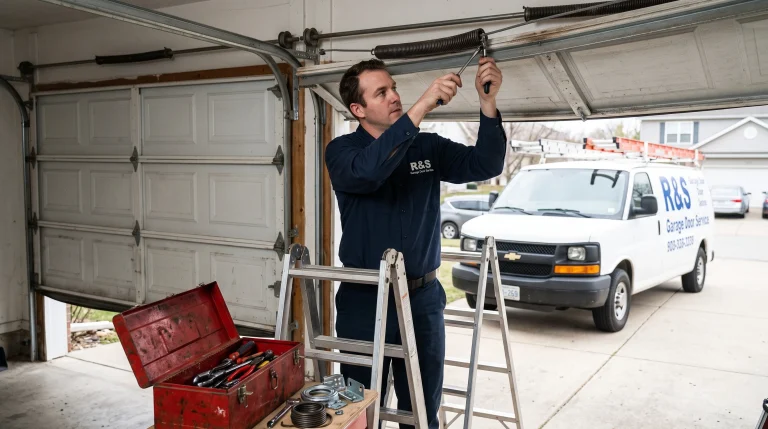
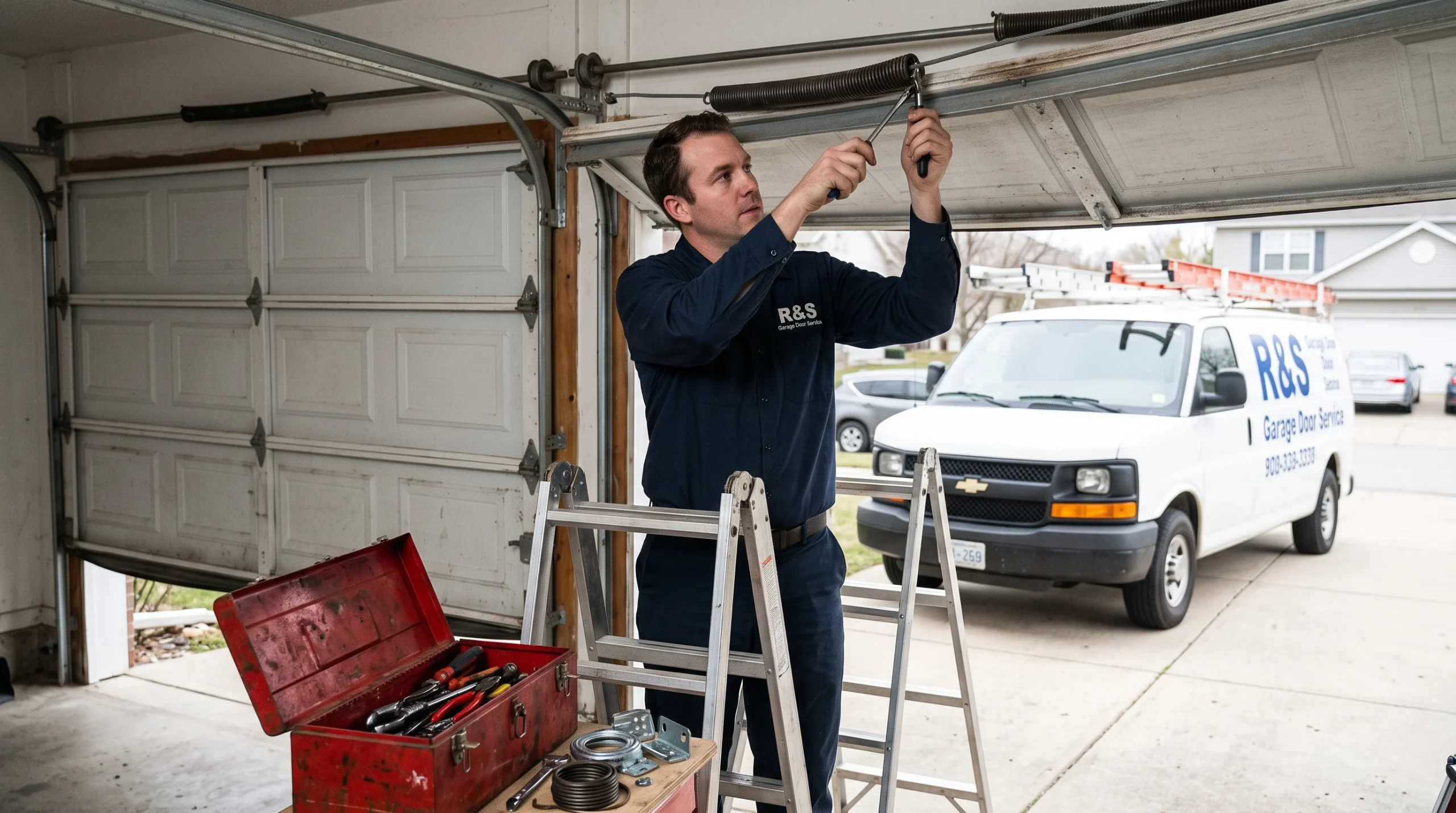
Garage door problems affect more than convenience. When a garage door stops working properly, it can create safety concerns for everyone in the home. Because garage doors are heavy and rely on multiple moving parts, failures caused by wear or damage can quickly become hazardous if not addressed.
- Garage Door Failures Can Create Serious Safety Risks
- Heavy Garage Doors Increase the Risk of Injury During Malfunctions
- Worn or Broken Components Can Cause Sudden Door Failure
- Garage Door Problems Can Reduce Home Security
- Unaddressed Issues Can Escalate Into Larger Safety Concerns
Taking garage door problems seriously helps reduce the chance of injury and security issues. Prompt attention through 24-hour emergency garage door repair supports safer operation, limits further damage, and helps maintain a secure and reliable garage door system for daily use.
Major Safety Risks Associated With Emergency Garage Door Issues
Garage door problems that require emergency garage door repair can quickly turn into serious safety concerns. A door that is stuck open, off track, or moving unpredictably creates immediate risks for people, vehicles, and property, as system failures can cause sudden drops, unstable panels, or loss of controlled operation. At the same time, a garage door that cannot close properly weakens home security and exposes the interior to unauthorized access and weather-related damage. Addressing these issues promptly helps restore safe operation, reestablish security, and reduce the risk of injury or further complications.
For a deeper look at identifying urgent warning signs, explore our related blog, When Is Emergency Garage Door Repair Necessary?
Uncontrolled Door Movement and Sudden System Failure
When a garage door system begins to fail, one of the most serious concerns is losing control over how the door moves. Because garage doors rely on tensioned components to stay balanced, failures can cause sudden and dangerous changes in movement.
- Loss of controlled motion can cause the door to drop or shift unexpectedly
- Broken springs or cables may turn the door into an unstable falling hazard
- Doors stuck in a raised or partially open position remain under constant strain
- Irregular or uneven movement indicates critical system instability
Unpredictable door movement increases the risk of injury and property damage. When control is lost, the garage door can no longer be relied on to operate safely.
Structural Instability Caused by Impact or Component Damage
The structural integrity of a garage door plays a major role in maintaining safe operation. Impact damage or worn components can weaken the system and interfere with proper alignment.
- Bent tracks or damaged rollers disrupt balanced movement
- Off-track doors create unstable hanging or leaning conditions
- Damaged panels reduce overall system strength
- Misalignment increases strain on surrounding components
When structural stability is compromised, normal operation becomes unsafe. Even minor damage can escalate into a serious safety concern if the door is forced to move.
Safety Hazards Created by Electrical or Mechanical Malfunctions
Electrical and mechanical problems can cause a garage door to behave in unpredictable ways. Because the opener controls movement and safety responses, malfunctions can quickly become hazardous.
- Unexpected door activation can occur without warning
- Mechanical failure may prevent the door from stopping correctly
- Electrical issues can disrupt communication between system components
- Loss of controlled operation increases the chance of forceful movement
When these malfunctions occur, the garage door system can no longer provide consistent or safe operation. Residential garage door repair helps restore proper control, supporting a secure and predictable environment for everyday use.
Garage Door Spring Failures as a Critical Safety Concern
Garage door springs play a critical role in supporting the weight and movement of the entire system, and their failure creates serious safety concerns. Because these springs operate under extreme tension, a break can release stored force and instantly remove the door’s ability to stay balanced, making it difficult or impossible to lift safely. When a spring fails, the garage door loses controlled support, increasing the risk of sudden movement, loss of stability, and potential injury or damage.
To learn more about the issues that commonly lead to urgent repairs, read our related blog, What Problems Require Emergency Garage Door Repair?
Loss of Counterbalance and Increased Door Weight Risks
Garage door springs are responsible for offsetting the heavy weight of the door and allowing smooth, controlled movement. When a spring fails, that balance disappears, and the full weight of the door is no longer supported.
- The garage door becomes extremely heavy and difficult to lift
- The opener experiences excessive strain from unsupported door weight
- A partially open door may drop suddenly without warning
Without a proper counterbalance, the garage door becomes unstable and difficult to control, increasing the likelihood of injury or system damage.
Sudden Spring Breakage and Resulting Safety Threats
Spring breakage often happens abruptly and releases a large amount of stored tension. This sudden failure can immediately turn the garage door into a serious hazard.
- The release of force can send metal components moving at high speed
- The door loses its ability to remain safely supported
- Unbalanced weight increases the risk of sudden door movement
After spring break, the garage door can no longer operate safely and should be considered unstable until balance is restored.
System Strain Caused by Weakened or Failing Springs
Springs often weaken gradually before failing completely, reducing their ability to support the door’s weight. This imbalance forces other parts of the system to compensate.
- Additional strain is placed on the opener and lifting components
- Cables, rollers, and panels experience accelerated wear
- Door movement may become uneven or unpredictable
As system strain increases, the risk of unexpected failure grows. Weakened springs reduce overall stability and can contribute to sudden safety-related breakdowns, making residential garage door installation an important consideration when long-term safety and reliability are compromised.
Garage Door Opener Problems That Create Safety Hazards
The garage door opener controls movement and plays a key role in overall system safety, so malfunctions can quickly become hazardous. When electrical or mechanical issues develop, the door may fail to respond, operate unpredictably, or continue moving when it should stop, increasing the risk of injury or damage. Because the opener coordinates multiple components, any disruption can affect the entire system’s stability, making prompt attention essential to restore controlled and reliable operation.
For insight into response timing during urgent situations, see our related blog, How Quickly Should Emergency Garage Door Repair Happen?
Unexpected Door Activation or Failure to Respond
When a garage door opener malfunctions, it can either activate without warning or fail to respond when needed. Both situations create serious safety and security concerns by removing reliable control of the door.
- Doors may open or close without user input
- Unresponsive openers can leave the door stuck open or closed
- Electrical or internal component failures disrupt normal operation
Loss of dependable response makes the garage door unpredictable, increasing the risk of injury, access issues, or security exposure.
Disrupted Safety Features Due to Opener Malfunctions
Garage door openers rely on built-in safety mechanisms to prevent harm during operation. When the opener malfunctions, these protective features may stop functioning correctly.
- Obstructions may not be detected during door movement
- Auto-reverse functions can fail to engage
- Closing force may exceed safe operating limits
Without working safety features, the garage door can close with full force, creating dangerous conditions for people, pets, and property.
Loss of Controlled Operation During Emergency Conditions
During emergencies, dependable garage door operation becomes even more critical. System failures can prevent safe entry or exit when control is needed most.
- Manual release systems may not function properly
- Door imbalance can make manual lifting unsafe
- Access may be blocked during power outages or urgent situations
When controlled operation is lost, the garage door becomes a barrier rather than a point of access, increasing safety risks during already stressful conditions, especially when garage door openers are no longer functioning as intended.
Panel and Section Damage as a Source of Safety Risk
Damaged garage door panels affect more than appearance, as bent, cracked, or broken sections can interfere with proper movement and reduce overall safety. Because each panel contributes to the door’s balance and structural support, damage to even one section can cause misalignment, instability, and increased strain on the entire system. Weakened panels also reduce the door’s ability to withstand regular use or environmental pressure, making the garage less secure and increasing the risk of further operational and safety issues.
Compromised Door Alignment and Track Interaction
Damaged garage door panels can disrupt alignment and interfere with how the door moves within its tracks. Even minor panel distortion can affect the door’s balance and create unsafe operating conditions.
- Warped panels can cause rollers to bind or scrape
- Misalignment increases stress on tracks and lifting components
- Rollers may slip out of the tracks, creating a fall risk
- Uneven closing can leave gaps along the door’s edges
When alignment is compromised, the garage door becomes unpredictable and unstable, increasing both safety and security concerns.
Reduced Structural Integrity From Sectional Damage
Garage door panels work together to form a rigid, supportive structure. Damage to one or more sections weakens the door’s overall strength and affects how it handles daily operation and external pressure.
- Cracked or dented sections reduce load distribution
- Weakened panels can cause bending or bowing during movement
- Excess strain is placed on hinges, rollers, and tracks
- Progressive damage increases the risk of broader system failure
As structural integrity declines, the likelihood of sudden malfunction or component failure rises, making timely attention essential for safety.
Exposure Risks When Panels Fail to Secure the Opening
Panels play a critical role in sealing and protecting the garage opening. When sections are broken or missing, the door can no longer function as a secure barrier.
- Gaps allow unauthorized access and environmental exposure
- Damaged panels make the door easier to force open
- Incomplete closure weakens overall security
- Interior spaces become vulnerable to damage or loss
When panels fail to secure the opening, the garage door no longer provides reliable protection, increasing risks to both property and occupants.
Why Prompt Emergency Garage Door Repair Is Critical for Home Safety
Addressing emergency garage door repairs promptly is essential for maintaining home safety, as issues like unstable doors, weakened components, or opener failures can quickly become hazardous. Understanding how problems such as spring damage or control system malfunctions affect safe operation helps homeowners recognize when immediate attention is necessary. Timely professional evaluation supports early detection of risks, reduces the chance of accidents, and helps restore reliable, secure garage door function.
When urgent garage door issues arise, R&S Erection of Vallejo Inc is a trusted local provider known for dependable service and a strong focus on safety and reliability. Our experienced team understands how disruptive emergency situations can be and works efficiently to restore proper operation and peace of mind. If your garage door problem can’t wait, contact us today or give us a call to get prompt, professional assistance and help protect your home and family.
Frequently Asked Questions
What types of garage door failures are commonly handled during emergency service calls?
Emergency service calls commonly involve broken springs, off-track doors, snapped cables, malfunctioning openers, jammed doors, and damaged panels that prevent safe operation.
Why do broken springs and garage door opener failures create immediate safety risks?
Broken springs remove the door’s counterbalance, while opener failures can disrupt safety controls, making the door unstable and increasing the risk of sudden or uncontrolled movement.
How does professional garage door service help reduce the risk of sudden door failure?
Professional service helps restore proper balance, alignment, and control, reducing the likelihood of unexpected door movement or system breakdowns. For additional insight into why expert service matters for safety and reliability, see this resource from TCWS.
Why is routine professional inspection important for maintaining garage door safety?
Routine inspections allow safety issues to be identified early, helping prevent component failure and maintaining reliable, controlled door operation.
How do garage door alignment issues affect the safety of a home?
Misalignment places strain on tracks and rollers, increasing the risk of jamming, uneven movement, or the door coming off its tracks.
What safety concerns can develop from worn or failing garage door components?
Worn components can lead to sudden spring breaks, cable failures, unstable movement, and reduced system stability, increasing injury and damage risks.
How can professional garage door service strengthen the security of the garage entrance?
Professional service ensures the door closes fully, aligns correctly, and maintains proper control, helping the garage function as a secure barrier.
Why is controlled garage door movement critical for preventing injuries?
Controlled movement prevents sudden drops, forceful closing, or unpredictable operation that could injure people or damage property. For more information on how proper service supports long-term safety and performance, see this resource from Your Home’s Safety and Security.
How can a garage door system's malfunctions disrupt safe access to the home?
System malfunctions can block entry or exit, leave the home unsecured, or prevent safe use during urgent situations, creating safety and access concerns.