
Can You Replace Garage Door Rollers Yourself? 4 Risks to Know First
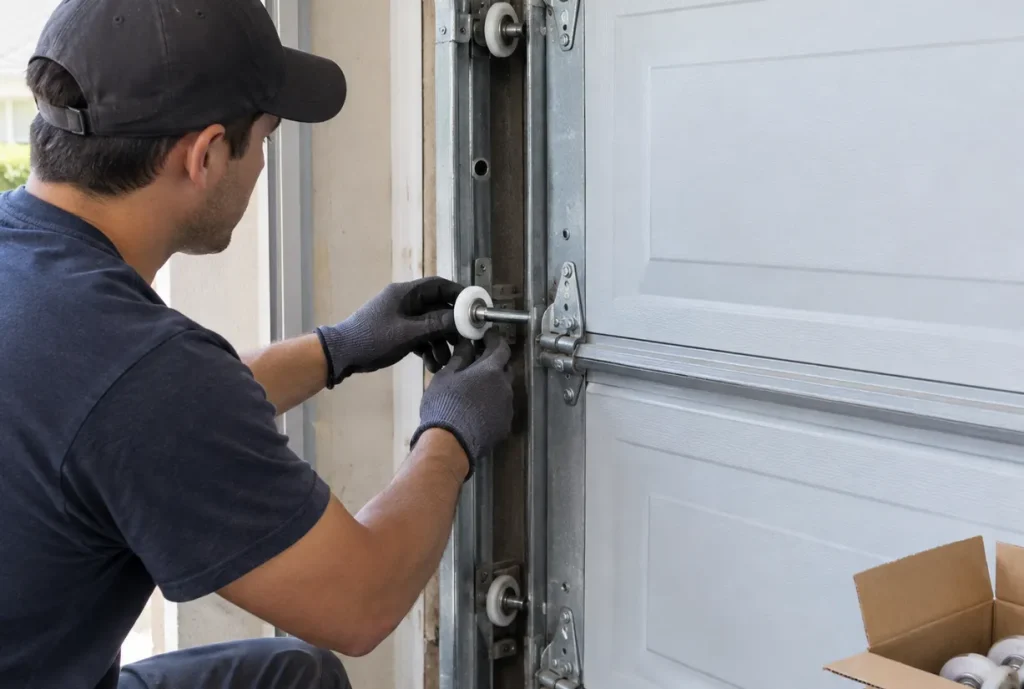
Replacing the bottom rollers on a garage door is a task many homeowners can safely handle themselves, since they carry no spring tension. The rollers near the top of the door are a different story: they sit close to the torsion spring system and lift cables, and working near that stored tension without the right tools or experience is where DIY roller jobs turn dangerous, and where a straightforward garage door roller repair can quickly turn into a costly trip to the emergency room instead. Key Takeaways Bottom rollers are generally low-risk for a confident DIYer with basic tools. Rollers near the top of the door sit close to spring tension and cable, which raises the risk significantly. Using the wrong tool to compress or hold the door in place can cause it to drop unexpectedly. A misaligned replacement roller can throw the whole door off-track, not just one panel. Skipping the “call a pro” line here isn’t about ability; it’s about what’s stored right next to the roller you’re replacing, since a straightforward garage door roller replacement can turn into a serious injury risk once spring tension is involved. DIY-Safe vs. Call-a-Pro: Quick Comparison Task DIY-Safe Call a Pro Replacing a bottom roller Yes, with basic tools Not required Replacing a top roller near the spring system Only with proper door support Recommended Replacing more than 2 rollers on one side at once No Recommended Any work involving the torsion spring No Required Door fails a manual balance test No Required Roller has already jumped the track No Recommended Working Near Spring Tension Without the Right Tools The biggest risk in DIY roller replacement isn’t the roller itself; it’s what’s next to it. The top rollers sit close to the torsion spring and lift cables, both of which store enough tension to cause serious injury if the door shifts or drops while you’re working nearby. Never replace a roller while the door is only partially open and unsupported. Never attempt to adjust, loosen, or remove a torsion spring as part of a roller job; that’s a separate, higher-risk task entirely. Use locking pliers or a proper door prop on both sides of the track before working near the top section; never rely on the garage door opener arm to hold the door in place. Why Top Roller Replacement Carries More Risk Than Bottom Rollers If the roller you need to replace is one of the top two on either side, the safer move is calling a professional, not because the roller swap itself is difficult, but because of what’s stored in the spring system right next to it. If you’re not sure whether your situation involves the top rollers, our guide on Why Are Garage Door Rollers So Noisy? 5 Causes and Fixes can help you pinpoint which roller is causing the problem before you decide whether it’s a DIY job. Misjudging the Door’s Weight and Balance A standard residential garage door weighs well over 100 pounds, and rollers are part of what keeps that weight distributed evenly across the track. Removing more than one roller at a time, or removing a roller without supporting the door section first, can cause a sudden shift in balance. Replace one roller at a time; never multiple rollers on the same side simultaneously. Support the door section you’re working on with a clamp or wood block before removing the hinge bolt. If the door feels heavy or off-balance before you even start, that can be a sign of a bigger issue, like a failing spring, rather than just a worn roller. Keep a second person nearby whenever you’re supporting a door section by hand, even briefly, so there’s help available if the door shifts unexpectedly. Signs the Door’s Weight Distribution Is Already Off Before You Start If the door doesn’t stay level when raised halfway and released, a standard manual balance test, stop and have that checked before touching any rollers. An unbalanced door under DIY repair is far more likely to bind, jump track, or drop mid-project unexpectedly. Using the Wrong Roller Size or Type Garage door rollers vary by stem length, wheel diameter, and material, and installing the wrong one can cause the door to bind, run unevenly, or pop out of the track within days. This is one of the more common mistakes that leads to follow-up calls after a DIY roller job. Measure the existing roller’s stem length and wheel diameter before ordering replacements. Match roller material, nylon versus steel, to the rest of the set unless you’re intentionally upgrading the whole door. Confirm the new roller is rated for your door’s weight; a lightweight roller under a heavy insulated door tends to wear out faster and can bind under load. Buy from a supplier that lists stem length and load rating clearly, rather than a generic listing with no specs, to avoid a return trip to the store. How to Confirm a Replacement Roller Actually Fits Bring the old roller with you when buying a replacement, or take clear measurements and a photo. Resources like Angi’s guide to inspecting and maintaining a garage door are a good starting point for understanding what a properly aligned, well-matched roller setup should look like before you buy parts. If you’re weighing whether nylon or steel makes more sense for the replacement, our comparison on Nylon vs. Steel Garage Door Rollers: Which Lasts Longer? 6 Key Differences breaks down which material fits which situation. Not Knowing When to Stop and Call a Professional The honest answer to “can you do this yourself” depends on which roller, and how comfortable you are stopping the job the moment something feels off: a stuck bolt, a door that won’t stay propped, or tension you weren’t expecting. If at any point the door drops, shifts, or binds unexpectedly, stop and call a professional rather than trying to force it back into place. If the job involves anything beyond the bottom two rollers, weigh the
Nylon vs. Steel Garage Door Rollers: Which Lasts Longer? 6 Key Differences
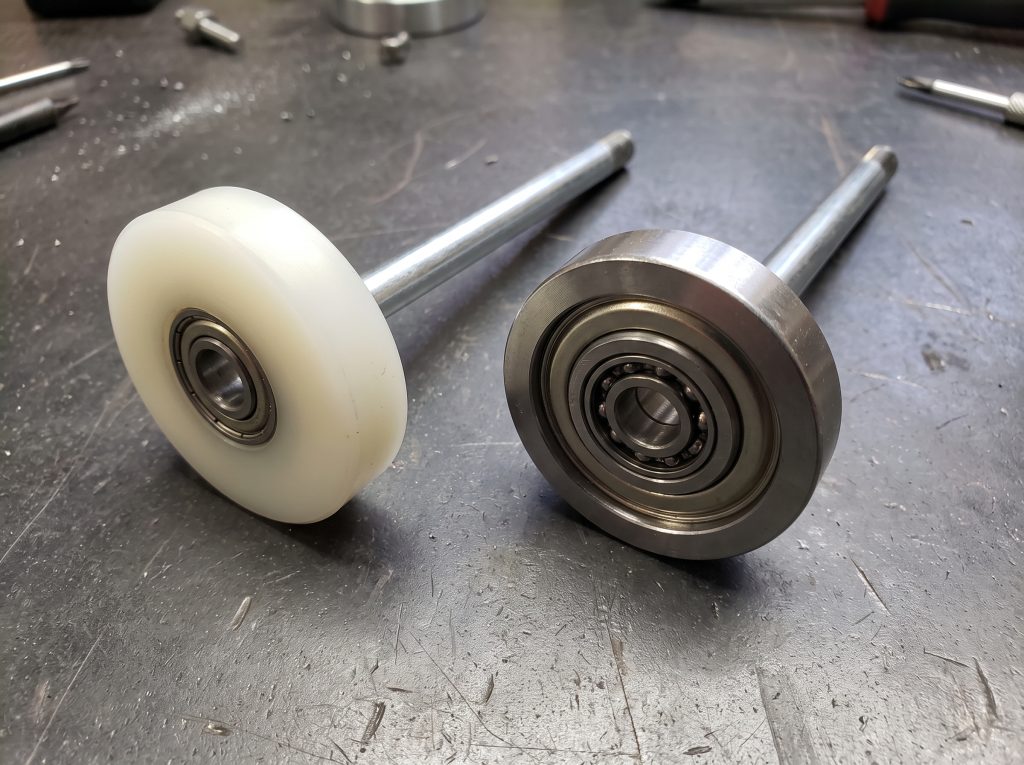
Nylon rollers often outlast steel rollers in everyday residential use, mainly because their sealed bearings tend to resist dust and moisture better and wear the track less aggressively. Steel still earns its place on high-cycle commercial doors, older tracks built around a heavier wheel, or situations where upfront cost or load capacity matters more than noise. The right answer depends on how often the door runs, how the garage is used, how much noise you’re willing to live with, and your budget, and picking a material that doesn’t match the application is one of the more common reasons homeowners end up facing an early garage door roller repair. The six differences below cover material and build, noise level, lifespan, cost over time, best-fit use cases, and weather tolerance, so you can match the roller to your specific door and usage pattern instead of just picking whichever option happens to be cheaper on the shelf that day. Key Takeaways Nylon rollers are often estimated to last around 7 to 10+ years, and steel around 3 to 5 years under similar use, though actual lifespan depends on the bearings, door weight, usage, environment, and maintenance. Steel costs less upfront but tends to wear the track faster over time. Nylon generally runs quieter thanks to its softer, vibration-absorbing material. Steel tends to handle higher heat and heavier commercial-cycle doors better than standard nylon. Sealed ball-bearing versions of either material tend to outperform open-bearing versions. Mixing roller types on the same door isn’t generally recommended, since it can create uneven wear across the track. Choosing one material consistently can make your next garage door roller replacement simpler since you won’t need to match mismatched parts. The better material overall depends on the specific door, usage pattern, budget, and priorities, rather than one type being the right call in every situation. Nylon vs. Steel at a Glance Factor Nylon Rollers Steel Rollers Estimated lifespan (residential use) 7-10+ years 3-5 years Noise level Quiet Noticeably louder Upfront cost Moderate Lower Track wear over time Minimal Faster Best suited for Standard residential doors High-cycle commercial or heavy older doors Heat tolerance Good, can soften in extreme heat Excellent These figures are general estimates. Actual lifespan and performance depend on the specific rollers, bearings, door weight, usage, environment, and maintenance. Material and Build Nylon rollers use a hard plastic wheel, usually with a steel ball-bearing core sealed inside, so the wheel itself never makes metal-on-metal contact with the track. Steel rollers are solid or hollow metal wheels that ride directly on the steel track, and the bearing inside can be either sealed or left open to the elements, depending on the grade. Nylon: plastic wheel, sealed steel bearing core, quieter contact with the track. Steel: metal wheel, open or sealed bearing, direct metal-on-metal contact. Sealed bearings, in either material, tend to keep out dust and moisture far better than open bearings, which is often a bigger factor in lifespan than the wheel material itself. How Roller Material Affects Garage Door Track Wear Because nylon doesn’t grind against the steel track the way a steel roller does, tracks paired with nylon tend to show noticeably less wear over the same number of cycles. This is a common reason professional installers reach for nylon on standard residential doors, though steel remains a reasonable choice where load capacity or upfront cost is the priority. Noise Level This is usually the difference homeowners notice first. Nylon’s plastic surface absorbs vibration before it transfers into the track, while steel transmits more of it directly, which is one reason steel-roller doors tend to sound louder even when properly lubricated and aligned. Why Nylon Rollers Run Quieter Than Steel If your main complaint is sound rather than durability or cost, switching from steel to nylon is often an effective upgrade, sometimes noticeable within the first few uses. If you’re troubleshooting a specific squeal, grind, or pop rather than general background noise, our guide on Why Are Garage Door Rollers So Noisy? 5 Causes and Fixes breaks down each sound and what it may mean before you decide on a material switch. Lifespan Under Normal Use For a typical residential door opening 3 to 5 times a day, nylon rollers are often estimated to hold up for around 7 to 10 years or more before replacement. Steel rollers under similar conditions are often estimated to need replacement somewhat sooner, roughly every 3 to 5 years, since metal-on-metal contact tends to accelerate bearing wear. These are general estimates rather than guarantees, and actual results vary based on the specific rollers, bearings, door weight, usage, environment, and maintenance. Nylon: often fewer replacement cycles and less frequent service visits over the life of the door, in typical residential use. Steel: often a shorter individual lifespan, but a lower cost per replacement if budget matters more than frequency. Both materials tend to last longer with routine lubrication, though nylon’s sealed bearing can make it more forgiving if that maintenance gets skipped occasionally. How Daily Use Affects Roller Lifespan Doors that open more than five times a day, common with attached garages used as a main entrance, will generally wear either material faster than average, which is worth factoring in when comparing the estimates above. A busy household with two commuters and frequent deliveries can easily double the average cycle count of a typical single-car garage. Cost Over Time Steel rollers are cheaper per unit, which makes them attractive upfront. But because they tend to wear out faster and put more strain on the track, the total cost over 10 years often evens out or tips in nylon’s favor once you factor in more frequent replacement visits, though this depends on how the specific door is used. Comparing Long-Term Roller Replacement Costs Think of it less as cheap versus expensive and more as paying a little more now or paying in smaller amounts more often. Neither choice is wrong; it depends on budget preference, priorities, and how long you
Why Are Garage Door Rollers So Noisy? 5 Causes and Fixes
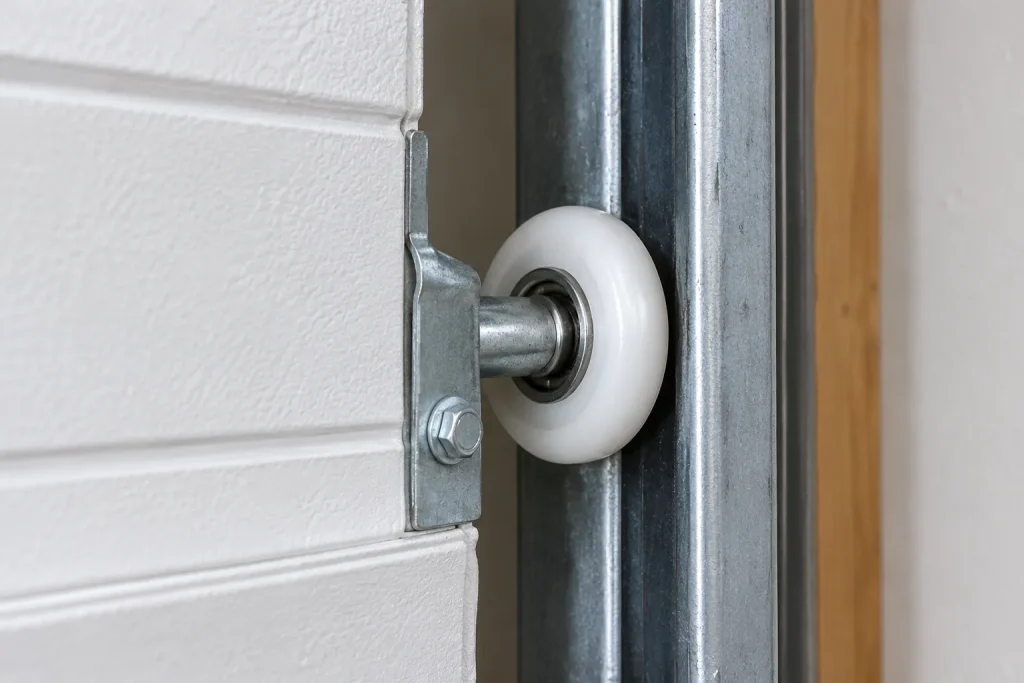
A noisy garage door almost always starts at the rollers, and the sound itself usually offers a clue about what’s wrong. Squealing, grinding, popping, and a low rumble can each point to a different cause, from a dry bearing to a bent track to a roller that’s nearing failure. Most of these fixes are inexpensive and take only a few minutes, but a roller that’s jumped the track or cracked at the stem can damage the track or the door panel if it’s left alone, turning a simple fix into a full garage door roller repair. This guide breaks down five common causes, what each sound may be telling you, and what to check before deciding between a quick lubrication job and a roller replacement. Key Takeaways Squealing often means dry or worn rollers, rather than a motor problem. Grinding or grating can point to a bent track or a roller coming apart internally. Popping or banging is often a roller riding out of alignment in the track. Nylon rollers tend to run quieter than steel by design, though the better material overall still depends on the door, usage, and priorities like durability or load capacity. A roller that wobbles, cracks, or leaves metal shavings in the track generally needs replacing rather than lubricating, since lubrication typically won’t fix a roller that’s already past the point of a garage door roller replacement. Left alone, a bad roller can wear the track faster and pull the door off-balance. Lubricate vs. Replace: A Quick Comparison Before working through each cause in detail, use this table as a general starting point for whether your sound calls for lubrication or replacement. Individual situations can vary, so use this alongside a visual check. Situation Lubricate Replace New squeal, rollers roughly under 2-3 years old Yes Not yet Squeal returns within days of lubricating No Yes Grinding, grating, or visible cracks No Yes Roller wobbles on the stem No Yes Popping near the same track spot repeatedly Check track alignment first Yes, if roller has jumped track Metal shavings visible in track No Yes The Door Squeals Every Time It Moves A high-pitched squeal on every cycle is often a lubrication issue rather than roller failure. Steel bearings can dry out over time, especially with dust, temperature swings, or coastal humidity, and metal-on-metal contact inside the housing is typically what you’re hearing. The fix here is usually simple and doesn’t require any parts: Wipe down the tracks and rollers to clear built-up dust and old lubricant residue before applying anything new. Apply a silicone-based garage door lubricant directly to the roller bearings and hinges, not WD-40, which attracts dust and evaporates too quickly to help long-term. Run the door through 3 to 4 full cycles to work the lubricant into the bearings evenly. How to Fix a Squealing Garage Door Roller If the squeal returns within a week or two of lubricating, the bearing itself is likely worn out rather than simply dry, and it’s generally worth replacing the roller rather than lubricating it again. The Door Grinds or Grates as It Opens A grinding or grating sound usually signals metal-on-metal contact that lubrication alone won’t fix. Most often, this traces back to one of two things: A roller with a damaged or missing internal bearing, letting the metal wheel grind directly against its own housing instead of spinning smoothly. A track that’s bent enough to bind against the edge of the roller instead of letting it roll freely through the curve or straight section. Check the roller wheel by hand for flat spots, cracks, or looseness on the stem, and run a straightedge along the track for inward or outward bends near hinges. Metal shavings or fine dust in the track can be a strong sign the bearing has already started breaking down. Why a Bent Track Causes Garage Door Roller Grinding A bent track forces the roller to fight the rail on every pass, which can wear out even a brand-new roller within weeks. If the grinding traces back to the track rather than the roller, the track generally needs straightening or replacing before a new roller goes in, otherwise, the replacement can wear out the same way. The Door Pops or Bangs While Moving A popping or banging sound that repeats near the same spot on the track usually means a roller has partially jumped the track and is catching on a hinge, bracket, or seam. This is the most urgent pattern on this list, since a fully derailed roller can cause the door to bind or drop unexpectedly. Watch the rollers through a full open-close cycle to see exactly where the pop happens. Check that the track brackets are still tightened and haven’t shifted away from the wall. Confirm the roller stem is fully seated in the hinge bracket rather than sitting at an angle. According to DASMA’s safety guidance for homeowners, a garage door that’s binding, jumping track, or making unusual noise during operation should be taken out of automatic use until it’s inspected, since a partially derailed roller can lead to a sudden door drop under load. What a Popping Sound Near the Track Curve Usually Means If the popping happens specifically where the track curves from vertical to horizontal, the roller is likely catching on the curved section itself, which sits closer to the spring system and is best left to a professional to realign. If you’re also noticing the door feels stiffer to open by hand around the same time, it’s worth reading our guide on Can You Replace Garage Door Rollers Yourself? 4 Risks to Know First, since a jumped roller near the top of the door sits close enough to the spring system that it changes the safety calculation on any DIY fix. The Door Feels Heavier to Lift, but Sounds Fine Sometimes the noise is subtle, more of a low rumble than a sharp squeal or grind, but the door feels harder to lift
How Often Should You Replace Garage Door Rollers? 7 Signs It’s Time
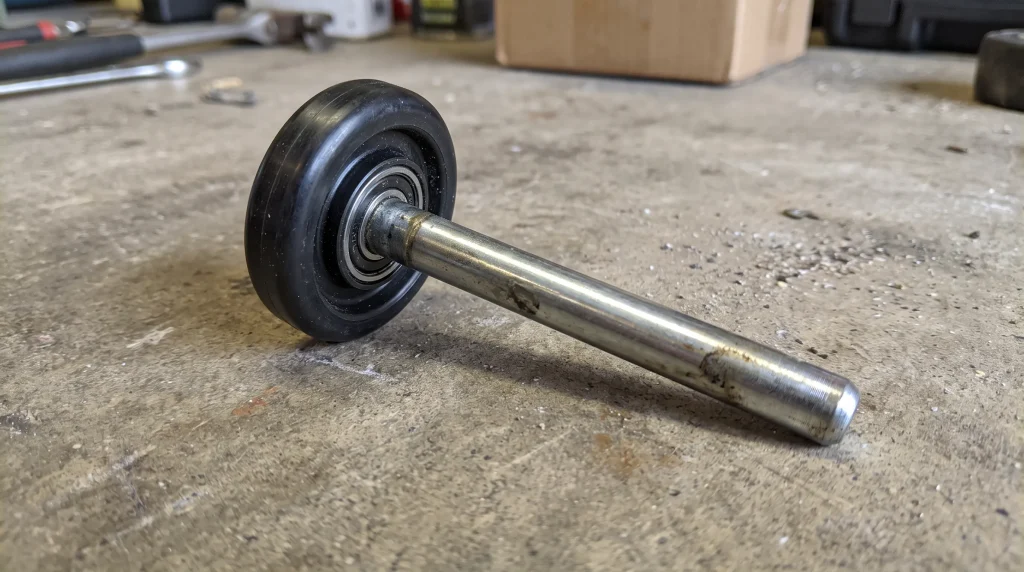
As a general guideline, garage door rollers are often estimated to last around 7 to 10 years for nylon or 3 to 5 years for steel, but age alone isn’t the only signal, and actual lifespan varies based on the specific rollers, bearings, door weight, usage, environment, and maintenance. Noise, visible wear, wobbling, and a door that feels heavier to lift can all show up before that timeline runs out, and waiting too long risks track damage or a door that binds mid-cycle. The seven signs below cover both the age-based guideline and the physical warning signs, so you can catch a failing roller before it turns into a bigger garage door roller repair. This guide is the master reference for roller lifespan and replacement timing. If you’re troubleshooting a specific symptom in more depth, like noise or a DIY decision, the linked guides throughout point you to the right place. Key Takeaways Nylon rollers are often estimated to last around 7 to 10+ years, and steel rollers around 3 to 5 years, though actual lifespan depends on the specific rollers, door weight, usage, and maintenance. The better material for a given door depends on the application, priorities like noise level or load capacity, climate, and budget, rather than one type being universally better than the other. Noise, wobbling, and visible cracks can be earlier warning signs than age alone. A door that’s harder to lift by hand can mean multiple rollers are wearing at once. Rollers that have jumped the track need attention immediately, not on your own schedule. Replacing a full set at once keeps wear even across the door going forward, and planning a garage door roller replacement proactively is generally easier and less costly than reacting to a failure mid-cycle. Age-based replacement is worth considering even without symptoms, since rollers can wear gradually and quietly. Age vs. Symptoms: Quick Replacement Guide Sign Replace Now Monitor Age-Based Only Grinding, cracking, or wobbling Yes No No Roller jumped the track Yes No No Rust or visible corrosion Yes No No Door feels heavier, no other symptoms No Yes No Occasional squeal, quiets after lubrication No Yes No Rollers over 7-10 years old, no symptoms No No Yes 1. The Door Makes Noticeable Noise When It Moves Squealing, grinding, popping, or rattling often traces back to the rollers before anything else on the door, though the track or opener can occasionally be involved too. As general guidance, a dry bearing can cause a squeal, a damaged bearing can cause grinding, and a roller catching on a hinge or bracket can cause a pop or bang as it passes. Lubricate first if the sound is a simple squeal. As general guidance, if it returns within days, that can be a sign the roller needs replacing rather than more lubrication. Grinding, rattling, or a sound that gets worse over a few days is rarely a lubrication fix. Note where on the track the sound happens; a consistent location often points to a specific roller rather than the whole set. How to Tell Which Roller Is Making Noise Run the door slowly by hand with the opener disconnected and watch each roller as it passes through the track. The one that hesitates, catches, or visibly wobbles is usually the source. If you want a full breakdown of exactly which sound means what, our guide on Why Are Garage Door Rollers So Noisy? 5 Causes and Fixes walks through each noise pattern in detail. 2. You Can See Cracks, Chips, or Flat Spots on the Wheel A roller wheel that’s visibly cracked, chipped, or worn flat on one side is generally due for replacement, regardless of how it sounds. This kind of damage means the wheel can’t distribute weight evenly anymore, which can accelerate wear on the track itself. Check each roller by hand, not just the ones that are easy to see, since damage often starts on the top rollers first. A flat spot usually means the roller has been sitting in one position for a long time, common in doors that aren’t used often. Cracked nylon or pitted steel both generally call for replacement rather than repair. What a Flat Spot on a Garage Door Roller Means A flat spot creates a small thump every time it rotates past the flat side, which often shows up as a rhythmic bump you can feel through the door as it moves. 3. A Roller Wobbles or Wiggles on Its Stem If a roller visibly wiggles side to side while the door is moving, the stem or the bearing inside the roller has likely worn loose. This is one of the more overlooked signs, since the wobble doesn’t always make noise right away. Grip the roller gently while the door is stationary and check for play or looseness. A wobbly roller under load puts uneven pressure on the hinge bracket, which can loosen the bracket itself over time. Consider replacing a wobbling roller before it makes noise, since the wobble itself can already be accelerating wear. Why a Loose Roller Stem Is an Early Warning Sign A loose stem can often mean the internal bearing has already started to fail, even if the roller still looks fine from the outside. Catching it here can help you avoid the grinding or popping stage entirely. 4. The Door Has Jumped or Slipped Off the Track A roller that’s fully or partially off the track is the most urgent sign on this list. A derailed roller can bind the door mid-cycle or, in more serious cases, cause the door to drop unexpectedly. Stop using the automatic opener immediately if you notice the door jumping or slipping. Don’t attempt to force the roller back into the track yourself if it’s one of the top rollers near the spring system. Check the track for bends or shifted brackets, since a derailed roller is often a symptom of a track problem, not just a worn part. If you’re
When to Inspect and Replace Your Loading Dock Equipment
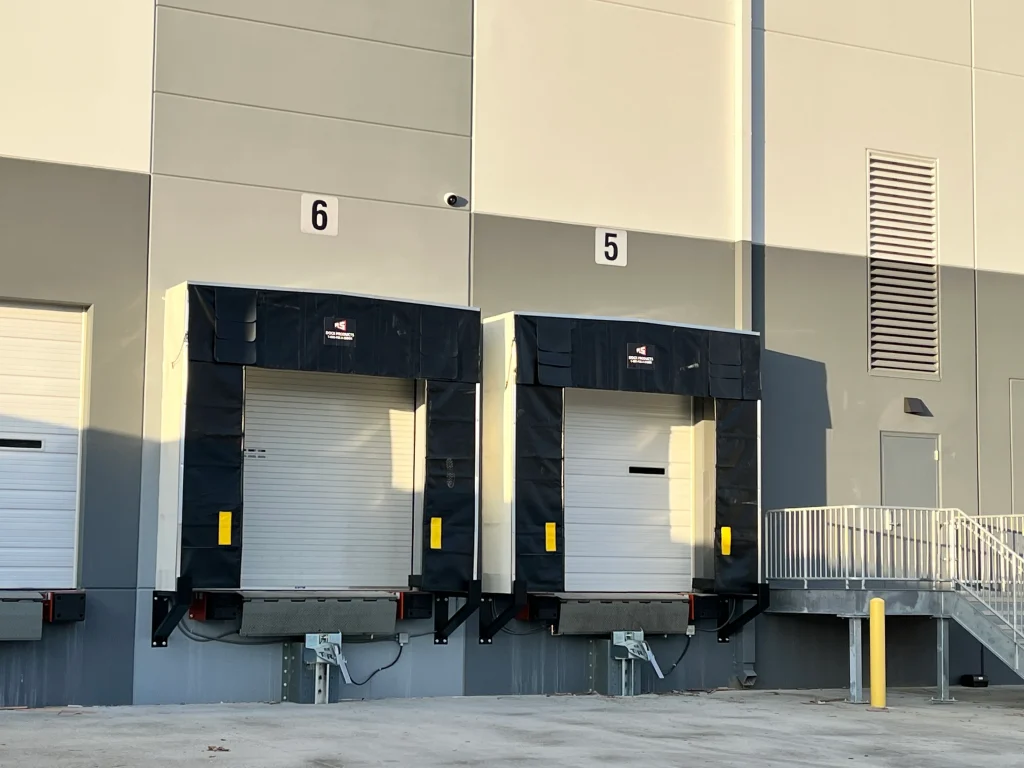
Most loading dock equipment failures do not happen out of nowhere. They follow a pattern. Something wears down gradually, gets missed during a busy week, and then fails at the worst possible moment. Understanding when to inspect and when to replace each piece of equipment is what separates facilities that stay ahead of problems from those that react to them. This guide gives you clear inspection schedules, practical replacement timelines, and the specific warning signs that tell you an inspection is overdue or a replacement cannot wait. For facilities in Vallejo, CA, where coastal humidity adds wear on metal components, staying on schedule matters even more than it does in drier locations. How to Build an Inspection Schedule That Actually Gets Followed An inspection schedule only works if it is realistic, documented, and assigned to someone specific. The most common reason dock inspections get skipped is that they are everyone’s responsibility, which means they become no one’s responsibility. For overhead doors in particular, skipping scheduled checks is one of the leading reasons facilities end up calling for emergency commercial garage door services instead of routine maintenance visits. Daily Inspection Tasks Every Dock Should Complete Test vehicle restraints before the first truck to confirm engagement and indicator light function Run the dock leveler through a full cycle and listen for unusual sounds or inconsistent positioning Open and close the overhead door completely and watch for binding or hesitation Walk the dock floor and check bumpers, seals, and surfaces for new damage or debris Weekly Inspection Tasks That Go Deeper Test the overhead door auto-reverse by placing an object in its path and confirming it reverses Check dock leveler hydraulic fluid levels and look for new fluid on the pit floor Inspect vehicle restraint hooks, arms, and hardware for wear, corrosion, or loose fasteners Run a gloved hand along the dock seal and shelter contact surfaces to feel for tears or separation Monthly and Quarterly Inspection Priorities Lubricate dock leveler hinges, lip pivots, and all moving parts with manufacturer-specified lubricants Inspect overhead door springs, cables, and rollers for wear, fraying, rust, or deformation Check bumper mounting hardware and flag any bumper worn past half its original thickness Review the inspection log for items flagged more than once, as repeat flags indicate a developing problem If you want to understand the broader safety habits and daily routines that make these inspections stick, read How to Keep Loading Dock Equipment Operating Safely to see how consistent practice keeps your dock running at its best. When to Inspect Vehicle Restraints and What to Look For Vehicle restraints are the most safety-critical component on any dock, which means their inspection schedule should be the most consistent. A restraint that is not inspected is a restraint that cannot be trusted. Restraint Inspection Frequency by Usage Volume High-volume docks (20+ trucks/day) should test restraints at the start of every shift Medium-volume docks need a functional test at shift start and weekly hardware inspection Low-volume docks (under 5 trucks/day) still need a weekly functional test Any dock with a prior restraint-related near-miss should move to permanent shift-start testing Specific Signs a Restraint Needs Immediate Service Visible cracking, bending, or weld separation on the hook or arm Restraint engages but releases under moderate manual pressure before use The indicator light shows green when the restraint is not actually engaged Grinding or clicking sounds during engagement not present in prior inspections Restraint Replacement Timelines to Know Most restraints are designed for 10 to 15 years under normal operating conditions High-volume facilities should assess replacement at 8 years, not wait for visible failure Any restraint struck by a forklift or involved in a trailer separation event needs immediate replacement When replacing, consider upgrading to automatic engagement models if current setup requires manual confirmation If you want to understand the full range of safety equipment your dock should have alongside your restraints, read What Safety Equipment Every Loading Dock Needs to make sure nothing critical is missing from your setup. Dock Leveler Inspection and Replacement Schedules Dock levelers work hard and wear gradually. The challenge is that gradual wear is easy to overlook until the leveler positions inconsistently or fails mid-cycle. Building inspection into the daily routine is what catches this before it becomes an incident. What to Check During a Leveler Inspection Check lip hinge and pivot points for binding, corrosion, or wear affecting lip extension On hydraulic models, inspect the cylinder, hoses, and fittings for leaks and check fluid level On mechanical models, manually raise the leveler and test for lower-than-normal spring resistance Check rear pit bumper blocks for damage affecting how the leveler rests in the stored position The garage door inspection and maintenance checklist from Angi gives a practical overview of what a thorough inspection should cover for dock door and leveler components. Service Intervals for Different Leveler Types Hydraulic: fluid checked monthly, full change every two to three years based on cycle volume Mechanical: spring lubrication every six months, full tension assessment annually Air-powered: air bag inspections twice a year, pressure checks when unusual positioning occurs All types benefit from a full professional service inspection once per year When a Dock Leveler Needs Replacement Instead of Repair Units over 20 years old with three or more significant repairs in two years are replacement candidates Structural frame damage, including cracking or deformation cannot be resolved through component repair Consistent uneven positioning despite repeated professional adjustments indicates irreparable mechanical wear When a single repair approaches 40 to 50 percent of a new unit’s cost, replacement is more cost-effective Overhead Door Inspection Timelines and Replacement Triggers Overhead doors at loading docks are under more stress than most people realize. High daily cycle counts, forklift exhaust exposure, and the physical impact of dock traffic all accelerate the wear on springs, cables, tracks, and rollers. Overhead Door Component Service Lives Standard torsion springs are rated for approximately 10,000 cycles and may last 5 to 7 years in high-traffic dock environments. High-cycle springs
How to Keep Loading Dock Equipment Operating Safely
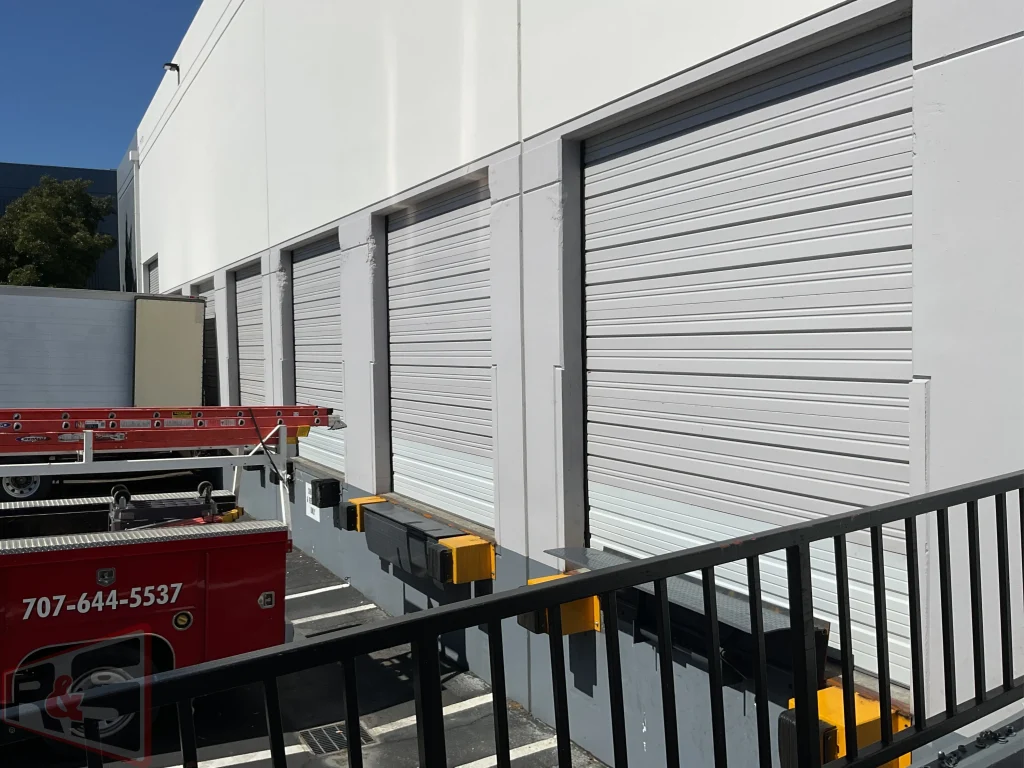
If you manage a warehouse, distribution center, or any facility with a loading dock in Vallejo, CA, you already know how fast things can go sideways when equipment is not properly maintained. Loading docks are one of the busiest and most hazardous areas in any operation. Forklifts, dock levelers, dock seals, vehicle restraints, and overhead doors all work together, and when one piece fails, the entire workflow stops, and the risk of injury shoots up. Keeping everything running safely is not just about following rules. It is about building habits and systems that protect your workers and your dock equipment every single day. Why a Safe Loading Dock Starts Before the Truck Arrives Most loading dock incidents do not start with a mechanical failure. They start before the truck even backs in. Preparation and communication between dock workers and drivers are the first layer of safety that often gets overlooked. Here are the pre-arrival safety habits that make a real difference: Confirm dock assignments and communicate them clearly to drivers before they back in. Make sure wheel chocks and vehicle restraints are in position before any worker boards a trailer. Check that dock levelers are fully retracted and in the stored position when not in use. Ensure the dock area is clear of debris, standing water, or any slip hazard before the truck arrives. Verify that dock lights and communication signals are working so drivers and workers are on the same page. To learn more about what your facility should have in place, read What Safety Equipment Every Loading Dock Needs to make sure nothing important is missing from your setup. Essential Loading Dock Equipment You Need to Keep in Working Order Not all loading dock equipment gets equal attention. Some pieces, like dock levelers and vehicle restraints, are used dozens of times a day. Others, like dock seals and bumpers, quietly wear down over months without anyone noticing until there is a problem. Understanding what each piece of equipment does and what it needs to stay functional is the foundation of a safe dock. Dock Levelers Dock levelers bridge the gap between the dock floor and the trailer floor. Mechanical, hydraulic, and air-powered models are the most common types. Hydraulic models require fluid checks and seal inspections. Mechanical levelers need spring tension checks and lip hinge lubrication. Signs that a leveler needs attention include slow response, unusual noise, or uneven positioning. Vehicle Restraints Vehicle restraints lock onto the trailer’s rear impact guard to prevent trailer creep or separation. If a restraint fails to engage properly or shows signs of damage, it should be taken out of service immediately. These are not optional safety devices; they are critical. Dock Seals and Shelters Seals and shelters protect the dock opening from weather and help maintain indoor temperatures. Torn foam, damaged fabric, or missing header padding reduces their effectiveness and creates energy loss and potential safety hazards during loading. Overhead Dock Doors Overhead doors take a beating in high-traffic dock environments. Springs, cables, rollers, and tracks all wear with use. A door that opens unevenly, makes grinding sounds, or moves slowly is telling you it needs professional attention before it becomes a safety issue. Dock Bumpers Bumpers protect the dock face and the trailer from damage during backing. Cracked, missing, or compressed bumpers reduce their ability to absorb impact. Replacing worn bumpers is a low-cost fix that prevents expensive structural damage. The Daily Habits That Keep Loading Dock Equipment Safe There is a big difference between a dock that gets inspected once a year and one where workers pay attention every single day. Daily habits are what catch problems early, before they turn into injuries or expensive repairs. For overhead doors specifically, consistent daily checks can also reduce how often you need to call in commercial garage door services for unplanned repairs. Follow these daily safety habits to stay ahead of problems: Walk the dock at the start of every shift and look for anything out of place, loose, damaged, or missing. Test dock levelers and vehicle restraints before the first truck of the day to confirm they are operating correctly. Check the overhead door operation by running it through a full open and close cycle and listening for anything unusual. Inspect dock bumpers and seals visually for tears, compression damage, or missing sections. Clear the dock floor of any debris, spills, or obstructions that could create a slip or trip hazard. How to Build a Loading Dock Safety Inspection Routine Daily walkthroughs catch visible problems. A structured inspection routine catches the ones you cannot see without looking closer. Facilities that treat inspections as optional tend to discover problems at the worst possible time, usually during peak operations. Following established safety standards helps facilities reduce risk and stay compliant with industry protocols. Weekly Inspections Once a week, a designated team member should do a more thorough check beyond the daily walkthrough: Test the full range of motion on all dock levelers and check for hydraulic leaks or unusual resistance. Inspect vehicle restraint hooks, arms, and control panels for wear or damage. Check door cables, springs, and rollers for signs of fraying, rust, or wear. Monthly Inspections Monthly checks go even deeper and should be documented: Lubricate all moving parts on dock levelers, door tracks, and hinges using manufacturer-recommended lubricants. Inspect dock seals and shelters for tears, compression damage, and attachment point integrity. Review and update your safety inspection log so you have a record of everything checked and any issues found. Annual Professional Inspections Once a year, have a qualified technician inspect all dock equipment. They can identify wear patterns, misalignments, and mechanical issues that are not obvious to untrained eyes. This is also a good time to address any deferred maintenance before it becomes a bigger problem. For a broader look at maintenance guidelines, industry associations outline what regular upkeep should cover. Common Loading Dock Safety Mistakes and How to Avoid Them Even experienced dock teams fall into habits that
Why Loading Dock Safety Rules Are Non-Negotiable
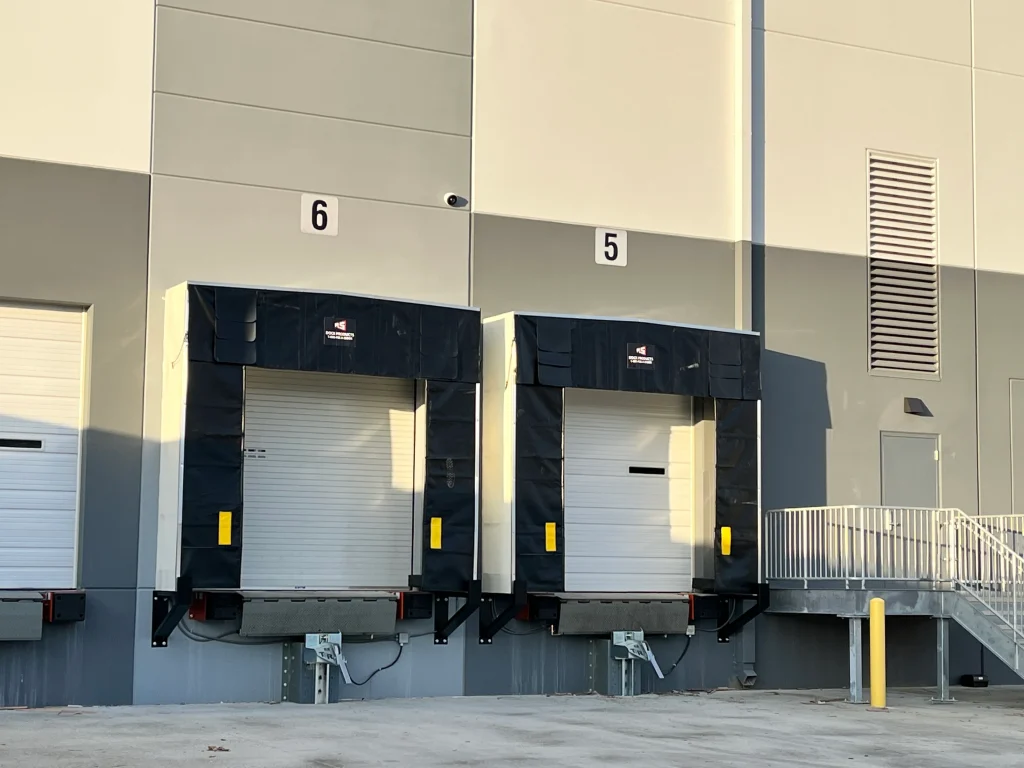
Loading docks move billions of dollars’ worth of freight every day. They are also responsible for a disproportionate number of serious workplace injuries. The U.S. Bureau of Labor Statistics consistently lists loading and unloading operations among the most hazardous tasks in warehousing and logistics, and facilities in Vallejo, CA, are no exception. The rules that govern loading dock operations are not there to slow anyone down. They exist because the consequences of skipping them are well-documented, often severe, and almost always preventable. Every safety rule tied to loading dock operations traces back to a specific failure point in dock equipment, whether it is a vehicle restraint that was not engaged, a leveler that dropped unexpectedly, or an overhead door that failed mid-cycle. The Real Reasons Loading Dock Accidents Happen Most loading dock accidents are not random. They follow recognizable patterns, and those patterns point directly to specific gaps in safety practice. Understanding what actually causes dock incidents is the first step toward understanding why the rules around them are so firm. Human Error and Skipped Procedures Workers board trailers before vehicle restraints are confirmed and locked in place. Drivers pulling away from the dock before receiving a clear all-clear signal from dock staff. Forklifts operating on dock levelers that have not been properly positioned or verified. Dock personnel assumed communication had happened when no formal confirmation was given. Equipment That Was Not Maintained Vehicle restraints that appear functional but fail to engage or hold under load. Dock levelers with hydraulic wear that causes unexpected drops during operation. Overhead door cables or springs that have visible wear but have not been flagged for service. Bumpers that have compressed past their effective range and no longer absorb impact properly. Communication Failures Between Drivers and Dock Workers No formal confirmation that workers have cleared the trailer before the driver receives departure clearance. Dock light systems that are broken, misunderstood, or not being used consistently. Language or radio communication gaps between drivers and dock workers in busy operations. Drivers who are unfamiliar with the facility’s specific dock protocols and are not briefed at check-in. If you want to know exactly what safety equipment should be in place to prevent these failures before they start, read What Safety Equipment Every Loading Dock Needs to make sure your dock has everything it should. What Loading Dock Safety Rules Are Actually Protecting Against Each major category of dock safety rule maps directly to a specific category of incident. Once you see the connection, the rules stop feeling like bureaucracy and start feeling like exactly what they are, a direct response to documented harm. Vehicle Restraint Rules Prevent Trailer Separation Restraint engagement must be confirmed before any worker boards a trailer, without exception. Visual or audible confirmation signals should be part of every dock’s restraint protocol. Restraints must be inspected regularly because a worn or damaged restraint provides no real protection. Any restraint that fails to engage reliably must be taken out of service immediately, not flagged for later. Dock Leveler Rules Prevent Falls and Equipment Damage Levelers must be rated for the loads they will carry, and that rating must be respected every cycle. Hydraulic levelers require fluid checks and seal inspections to prevent unexpected drops during use. Mechanical levelers need spring tension checks and lip hinge inspections to ensure consistent operation. Any leveler that positions unevenly or responds slowly is a safety issue, not just a maintenance issue. Overhead Door Rules Prevent Crush and Strike Injuries Auto-reverse and safety sensor functions must be tested regularly, not assumed to be working. Cable and spring inspections catch wear before it becomes failure, which is the entire point. Operational clearance rules keep workers and equipment out of the door’s path during movement. Organizations like ULSE outline why automatic door safety standards exist and how they protect workers every day. To understand the full scope of when each piece of equipment needs professional attention, read When to Inspect and Replace Your Loading Dock Equipment for the specific inspection timelines and replacement indicators every dock team should know. The Compliance and Liability Picture Facilities Cannot Ignore Beyond the human cost, there is a regulatory and financial reality that makes dock safety rules non-negotiable from a business standpoint as well. OSHA Expectations for Loading Dock Operations Powered industrial truck standards apply to every forklift operating on or near a dock leveler. Walking and working surface standards apply to dock floors, leveler surfaces, and trailer interiors. Material handling standards cover how loads are moved, staged, and secured throughout dock operations. Facilities with incident histories can expect more frequent inspections and a lower threshold for citations. Workers’ Compensation and Insurance Exposure A single serious injury can generate workers’ compensation claims that affect premiums for multiple years. Litigation costs in cases involving inadequate safety protocols can exceed the original injury claim. Insurance providers increasingly require documented safety programs as a condition of coverage in high-risk operations. The cost of preventive safety measures is consistently a fraction of what a single significant incident costs. The Role of Documentation in Protecting Your Facility Inspection logs demonstrate that equipment was being checked on a regular and consistent schedule. Training records show that workers received instruction in the specific procedures relevant to their roles. Maintenance histories show that known issues were addressed rather than deferred indefinitely. Incident and near-miss reports show that the facility takes safety seriously enough to document and investigate problems. Understanding the specific causes behind dock incidents also helps clarify which rules deserve the most attention. Our breakdown of common door problems is the first step toward knowing which rules matter most. Why Even Well-Run Facilities Still Get This Wrong It would be reasonable to assume that newer facilities with experienced teams and modern equipment are safer by default. The reality is more complicated, and the gaps that exist in well-run operations are often the hardest to spot. Familiarity Breeds Complacency Skipping the restraint confirmation because it has never failed before is exactly how
What Safety Dock Equipment Every Loading Dock Needs
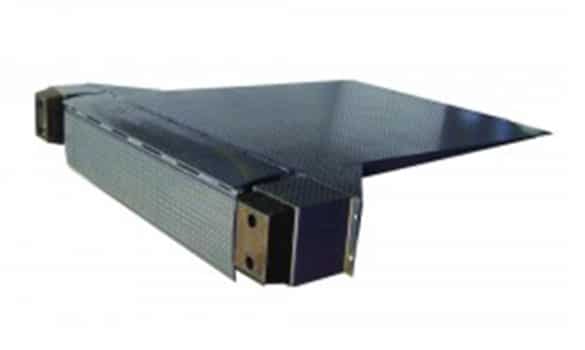
A loading dock without the right safety equipment is not just inefficient. It is a liability waiting to happen. Whether you are managing a single-bay facility in Vallejo, CA or a multi-door distribution center, the equipment at your dock is what stands between a smooth operation and a serious incident. This guide covers the essential safety equipment every loading dock needs, what each piece of dock equipment does, what to look for when evaluating your current setup, and the warning signs that tell you something needs attention or replacement. Vehicle Restraints: The Most Critical Safety Device on Any Dock If there is one piece of equipment that earns the title of most important on a loading dock, it is the vehicle restraint. Nothing else comes close in terms of the severity of incidents it prevents. Just as overhead doors depend on scheduled commercial garage door services to stay functional under heavy use, vehicle restraints depend on consistent inspection and maintenance to perform when it matters most. What Vehicle Restraints Do and Why They Matter They prevent trailer creep, the gradual forward movement a truck can make during loading without the driver realizing it. They stop early departure accidents where a driver pulls away before receiving a clear departure signal. They hold the trailer stable so dock levelers and forklifts can operate on a secure surface. They provide a visible confirmation point that the dock is locked and active before any worker boards. Types of Vehicle Restraints to Know RIG-style restraints hook onto the rear impact guard and are the most common type for standard trailers. Wheel chock restraints secure the trailer by blocking the rear wheels and are used when rear guards are incompatible. Automatic restraints engage mechanically when a trailer backs in, reducing the chance of a missed engagement. Manual restraints require a worker to engage and confirm the lock, which makes training and protocol essential. Signs Your Vehicle Restraints Need Attention The hook or arm shows visible bending, cracking, or corrosion that affects its ability to hold under load. The restraint engages but does not hold firmly when tested before the first truck of the day. The control panel indicator light fails to confirm engagement even after the restraint is activated. The restraint requires repeated attempts to engage or disengage during normal operation. If you want to know exactly how long your restraints and other dock equipment should last before replacement becomes the smarter call, read When to Inspect and Replace Your Loading Dock Equipment for the specific timelines and warning signs to watch for. Dock Levelers: Bridging the Gap Safely Dock levelers are the bridge between the dock floor and the trailer floor. Without a properly functioning leveler, every load transfer is a fall hazard and an equipment risk. Mechanical vs. Hydraulic vs. Air-Powered Levelers Mechanical levelers use spring tension to position the lip and are durable but require regular spring and hinge checks. Hydraulic levelers use fluid pressure for smooth, controlled movement and need regular fluid level and seal inspections. Air-powered levelers use pneumatic systems for positioning and require checks on air bags and pressure components. Vertical storing levelers keep the dock sealed when not in use and are ideal for temperature-controlled environments. What a Properly Functioning Leveler Looks Like The leveler positions smoothly and holds its angle consistently without drifting or dropping during use. The lip extends fully and rests flat against the trailer floor without gaps or uneven contact. There are no grinding, popping, or hydraulic sounds during operation that were not present before. The leveler returns to its fully stored position cleanly after each use without manual intervention. Leveler Warning Signs That Cannot Be Ignored Hydraulic fluid visible on the pit floor or on the leveler frame indicates an internal seal failure. The leveler drops unexpectedly during use, even slightly, which creates an immediate fall and equipment hazard. The lip fails to extend fully or hangs at an angle that creates an uneven surface for forklifts. The leveler requires more than one attempt to reach its correct operating position. Staying on top of these warning signs is only half the job, so read How to Keep Loading Dock Equipment Operating Safely to learn the daily and weekly habits that catch problems before they escalate. Dock Seals and Shelters: Protecting the Opening Dock seals and shelters are often treated as weatherproofing accessories rather than safety equipment. In practice, they do both, and a damaged seal creates problems that go beyond temperature control. Dock Seals vs. Dock Shelters: Understanding the Difference Dock seals compress against the sides and top of the trailer, creating a tight barrier that limits air exchange. Dock shelters frame the trailer opening without full compression, accommodating more trailer size variation. Combination systems use a shelter frame with foam pads at contact points for a balance of fit and flexibility. Inflatable seals use air pressure to conform to trailer contours and are effective for high-variation trailer fleets. How Damaged Seals Create Safety and Operational Problems Gaps at the trailer opening allow moisture to enter the dock area, increasing slip risk on dock floors. Exposed openings let in wind, pests, and temperature extremes that affect the working environment. A seal that no longer contacts the trailer properly allows forklift exhaust to recirculate into the dock space. Missing header padding exposes workers to contact with the top edge of the trailer during loading. What to Check on Dock Seals and Shelters Inspect foam pads and fabric facing for tears, compression damage, or detachment from the mounting frame. Check header curtains for holes, fraying edges, or visible light coming through when the dock is sealed. Confirm that side pads make consistent contact with the trailer sides without over-compressing or pulling away. Review mounting hardware for loose fasteners or frame damage that affects how the seal holds its position. Overhead Dock Doors: Heavy, Fast, and High-Risk When Neglected Overhead doors at loading docks operate in one of the harshest environments any door will face. High
When to Replace Your Sectional Overhead Door
Your garage door is essential for the security and comfort of your home. If you live in Vallejo, you use your garage door every day. However, there may be times during the day when it stops working as it should. Normal use and time can cause many common garage door issues. You may hear unusual sounds or notice that the door does not open or close properly. Knowing the most usual problems lets you spot them fast. This way, you know when it is time to call for garage door technician. In this guide, we will outline the primary garage door problems people encounter and provide guidance on how to address them. Top 9 Common Garage Door Problems Vallejo Homeowners Face Most people with a garage at home will encounter garage door problems at some point. These problems can be simple, like something small needing a quick fix. Alternatively, the matter might be more complex to resolve, and you may need professional assistance. A garage door opener that doesn’t work properly or a broken garage door spring can disrupt your daily routine. It can also make your house feel less safe. Recognizing the signs of these common problems is the first step in addressing them. If your door will not move or is making too much noise, knowing what could be wrong helps you know what to do next. Let’s examine the most common problems and the steps you can take to address them. 1. Broken Garage Door Springs One of the most significant and potentially hazardous issues with a garage door is a broken garage door spring. A garage door must withstand a significant amount of weight, and over time, it can weaken due to rust and metal wear. If the spring breaks, you may hear a loud bang from your garage. You can tell there is a broken spring in the garage door if it feels too heavy when you try to lift it by hand. Another sign is when the door only goes up a little and then falls back down. In Vallejo, if you have a garage door problem, such as a broken spring, a professional can often fix it on the same day. This depends on having the right parts and finding a time that works for both parties. The garage door is really hard to lift by hand. The door opens a bit, but then it closes quickly. You can see a clear space in the spring. Because the garage door spring holds a significant amount of tension, it is recommended that you not attempt to replace it yourself. A professional garage door repair service should perform this type of garage door repair. The individual performing this task possesses the necessary expertise to do the job safely. If you attempt to repair the garage door spring yourself, you may cause further harm or damage the garage door. 2. Worn or Damaged Rollers Worn or broken rollers can make your garage door hard to use. They may cause your overhead door to move roughly or make noise. The rollers help your garage door move up and down smoothly. If these rollers get damaged, you may need more expensive garage door service. Doing regular maintenance and keeping the rollers oiled helps them last longer. You can reduce costly repairs by checking them regularly. It is smart to spot roller problems early. This makes your garage door work better and saves you trouble. If you notice any issues with your garage door, consider seeking help from a garage door repair company in your area. A garage door repair company can fix the problem and make your overhead door work smoothly again. You want to feel safe and get reliable operation. Here is a detailed insight from us: Finding the Best Garage Door Repair Company in Vallejo, CA. 3. Misaligned or Bent Tracks Bent or misaligned tracks are a common issue that can significantly impact the performance and safety of your garage door. When the tracks are not properly aligned, the door may become stuck, move unevenly, or even come off its tracks entirely. This not only puts extra strain on the garage door opener and other mechanical components but also increases the risk of accidents or injuries. Regular inspections are crucial in detecting track problems early. During these checks, professionals look for signs of wear such as dents, rust, gaps between the rollers and rails, or areas where the track is pulling away from the wall. Early detection allows for straightforward repairs, such as realigning or replacing damaged sections, before more complex—and costly—issues arise. In addition to safety concerns, ignoring track issues can lead to higher repair bills down the line. Misaligned tracks may cause additional damage to rollers, cables, and springs over time. Keeping up with routine maintenance ensures smoother operation, prolongs the lifespan of your entire garage door system, and preserves your investment in your home. For residents in Vallejo experiencing garage door malfunctions due to track problems or any other issue, it’s advisable to contact a local professional repair service promptly. Reputable companies in Vallejo offer comprehensive solutions, including inspection, realignment, lubrication, and replacement of worn parts. These experts can not only resolve current issues but also guide preventive care to minimize future breakdowns. By prioritizing regular maintenance and promptly addressing bent or misaligned tracks, you help ensure that your garage door remains reliable, efficient, and safe for years to come. 4. Unresponsive Garage Door Opener Garage door openers play a crucial role in the garage door system. These openers help your garage door operate smoothly, whether you have residential or commercial garage doors. Sometimes, the garage door opener may not work. This problem can be caused by issues with the electricity, dead batteries, or remotes that are not correctly connected. When this happens, it can frustrate you. Performing regular maintenance on your garage door can help prevent these common garage door problems. If you continue to experience trouble, consider contacting a garage
Sectional Overhead Door Cost: Is It Worth It?
Your garage door is essential for the security and comfort of your home. If you live in Vallejo, you use your garage door every day. However, there may be times during the day when it stops working as it should. Normal use and time can cause many common garage door issues. You may hear unusual sounds or notice that the door does not open or close properly. Knowing the most usual problems lets you spot them fast. This way, you know when it is time to call for garage door technician in Vallejo. In this guide, we will outline the primary garage door problems people encounter and provide guidance on how to address them. Top 9 Common Garage Door Problems Vallejo Homeowners Face Most people with a garage at home will encounter garage door problems at some point. These problems can be simple, like something small needing a quick fix. Alternatively, the matter might be more complex to resolve, and you may need professional assistance. A garage door opener that doesn’t work properly or a broken garage door spring can disrupt your daily routine. It can also make your house feel less safe. Recognizing the signs of these common problems is the first step in addressing them. If your door will not move or is making too much noise, knowing what could be wrong helps you know what to do next. Let’s examine the most common problems and the steps you can take to address them. 1. Broken Garage Door Springs One of the most significant and potentially hazardous issues with a garage door is a broken garage door spring. A garage door must withstand a significant amount of weight, and over time, it can weaken due to rust and metal wear. If the spring breaks, you may hear a loud bang from your garage. You can tell there is a broken spring in the garage door if it feels too heavy when you try to lift it by hand. Another sign is when the door only goes up a little and then falls back down. In Vallejo, if you have a garage door problem, such as a broken spring, a professional can often fix it on the same day. This depends on having the right parts and finding a time that works for both parties. The garage door is really hard to lift by hand. The door opens a bit, but then it closes quickly. You can see a clear space in the spring. Because the garage door spring holds a significant amount of tension, it is recommended that you not attempt to replace it yourself. A professional garage door repair service should perform this type of garage door repair. The individual performing this task possesses the necessary expertise to do the job safely. If you attempt to repair the garage door spring yourself, you may cause further harm or damage the garage door. 2. Worn or Damaged Rollers Worn or broken rollers can make your garage door hard to use. They may cause your overhead door to move roughly or make noise. The rollers help your garage door move up and down smoothly. If these rollers get damaged, you may need more expensive garage door service. Doing regular maintenance and keeping the rollers oiled helps them last longer. You can reduce costly repairs by checking them regularly. It is smart to spot roller problems early. This makes your garage door work better and saves you trouble. If you notice any issues with your garage door, consider seeking help from a garage door repair company in your area. A garage door repair company can fix the problem and make your overhead door work smoothly again. You want to feel safe and get reliable operation. Here is a detailed insight from us: Finding the Best Garage Door Repair Company in Vallejo, CA. 3. Misaligned or Bent Tracks Bent or misaligned tracks are a common issue that can significantly impact the performance and safety of your garage door. When the tracks are not properly aligned, the door may become stuck, move unevenly, or even come off its tracks entirely. This not only puts extra strain on the garage door opener and other mechanical components but also increases the risk of accidents or injuries. Regular inspections are crucial in detecting track problems early. During these checks, professionals look for signs of wear such as dents, rust, gaps between the rollers and rails, or areas where the track is pulling away from the wall. Early detection allows for straightforward repairs, such as realigning or replacing damaged sections, before more complex—and costly—issues arise. In addition to safety concerns, ignoring track issues can lead to higher repair bills down the line. Misaligned tracks may cause additional damage to rollers, cables, and springs over time. Keeping up with routine maintenance ensures smoother operation, prolongs the lifespan of your entire garage door system, and preserves your investment in your home. For residents in Vallejo experiencing garage door malfunctions due to track problems or any other issue, it’s advisable to contact a local professional repair service promptly. Reputable companies in Vallejo offer comprehensive solutions, including inspection, realignment, lubrication, and replacement of worn parts. These experts can not only resolve current issues but also guide preventive care to minimize future breakdowns. By prioritizing regular maintenance and promptly addressing bent or misaligned tracks, you help ensure that your garage door remains reliable, efficient, and safe for years to come. 4. Unresponsive Garage Door Opener Garage door openers play a crucial role in the garage door system. These openers help your garage door operate smoothly, whether you have residential or commercial garage doors. Sometimes, the garage door opener may not work. This problem can be caused by issues with the electricity, dead batteries, or remotes that are not correctly connected. When this happens, it can frustrate you. Performing regular maintenance on your garage door can help prevent these common garage door problems. If you continue to experience trouble, consider contacting