
Why Loading Dock Safety Rules Are Non-Negotiable
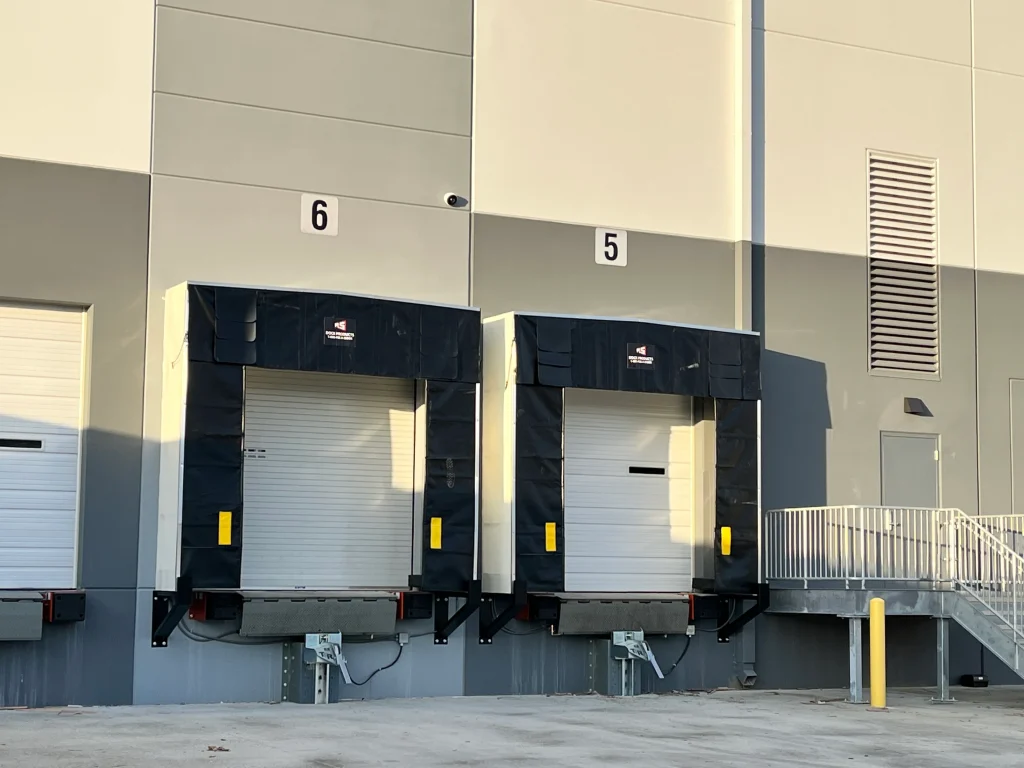
Loading docks move billions of dollars’ worth of freight every day. They are also responsible for a disproportionate number of serious workplace injuries. The U.S. Bureau of Labor Statistics consistently lists loading and unloading operations among the most hazardous tasks in warehousing and logistics, and facilities in Vallejo, CA, are no exception. The rules that govern loading dock operations are not there to slow anyone down. They exist because the consequences of skipping them are well-documented, often severe, and almost always preventable. Every safety rule tied to loading dock operations traces back to a specific failure point in dock equipment, whether it is a vehicle restraint that was not engaged, a leveler that dropped unexpectedly, or an overhead door that failed mid-cycle. The Real Reasons Loading Dock Accidents Happen Most loading dock accidents are not random. They follow recognizable patterns, and those patterns point directly to specific gaps in safety practice. Understanding what actually causes dock incidents is the first step toward understanding why the rules around them are so firm. Human Error and Skipped Procedures Workers board trailers before vehicle restraints are confirmed and locked in place. Drivers pulling away from the dock before receiving a clear all-clear signal from dock staff. Forklifts operating on dock levelers that have not been properly positioned or verified. Dock personnel assumed communication had happened when no formal confirmation was given. Equipment That Was Not Maintained Vehicle restraints that appear functional but fail to engage or hold under load. Dock levelers with hydraulic wear that causes unexpected drops during operation. Overhead door cables or springs that have visible wear but have not been flagged for service. Bumpers that have compressed past their effective range and no longer absorb impact properly. Communication Failures Between Drivers and Dock Workers No formal confirmation that workers have cleared the trailer before the driver receives departure clearance. Dock light systems that are broken, misunderstood, or not being used consistently. Language or radio communication gaps between drivers and dock workers in busy operations. Drivers who are unfamiliar with the facility’s specific dock protocols and are not briefed at check-in. If you want to know exactly what safety equipment should be in place to prevent these failures before they start, read What Safety Equipment Every Loading Dock Needs to make sure your dock has everything it should. What Loading Dock Safety Rules Are Actually Protecting Against Each major category of dock safety rule maps directly to a specific category of incident. Once you see the connection, the rules stop feeling like bureaucracy and start feeling like exactly what they are, a direct response to documented harm. Vehicle Restraint Rules Prevent Trailer Separation Restraint engagement must be confirmed before any worker boards a trailer, without exception. Visual or audible confirmation signals should be part of every dock’s restraint protocol. Restraints must be inspected regularly because a worn or damaged restraint provides no real protection. Any restraint that fails to engage reliably must be taken out of service immediately, not flagged for later. Dock Leveler Rules Prevent Falls and Equipment Damage Levelers must be rated for the loads they will carry, and that rating must be respected every cycle. Hydraulic levelers require fluid checks and seal inspections to prevent unexpected drops during use. Mechanical levelers need spring tension checks and lip hinge inspections to ensure consistent operation. Any leveler that positions unevenly or responds slowly is a safety issue, not just a maintenance issue. Overhead Door Rules Prevent Crush and Strike Injuries Auto-reverse and safety sensor functions must be tested regularly, not assumed to be working. Cable and spring inspections catch wear before it becomes failure, which is the entire point. Operational clearance rules keep workers and equipment out of the door’s path during movement. Organizations like ULSE outline why automatic door safety standards exist and how they protect workers every day. To understand the full scope of when each piece of equipment needs professional attention, read When to Inspect and Replace Your Loading Dock Equipment for the specific inspection timelines and replacement indicators every dock team should know. The Compliance and Liability Picture Facilities Cannot Ignore Beyond the human cost, there is a regulatory and financial reality that makes dock safety rules non-negotiable from a business standpoint as well. OSHA Expectations for Loading Dock Operations Powered industrial truck standards apply to every forklift operating on or near a dock leveler. Walking and working surface standards apply to dock floors, leveler surfaces, and trailer interiors. Material handling standards cover how loads are moved, staged, and secured throughout dock operations. Facilities with incident histories can expect more frequent inspections and a lower threshold for citations. Workers’ Compensation and Insurance Exposure A single serious injury can generate workers’ compensation claims that affect premiums for multiple years. Litigation costs in cases involving inadequate safety protocols can exceed the original injury claim. Insurance providers increasingly require documented safety programs as a condition of coverage in high-risk operations. The cost of preventive safety measures is consistently a fraction of what a single significant incident costs. The Role of Documentation in Protecting Your Facility Inspection logs demonstrate that equipment was being checked on a regular and consistent schedule. Training records show that workers received instruction in the specific procedures relevant to their roles. Maintenance histories show that known issues were addressed rather than deferred indefinitely. Incident and near-miss reports show that the facility takes safety seriously enough to document and investigate problems. Understanding the specific causes behind dock incidents also helps clarify which rules deserve the most attention. Our breakdown of common door problems is the first step toward knowing which rules matter most. Why Even Well-Run Facilities Still Get This Wrong It would be reasonable to assume that newer facilities with experienced teams and modern equipment are safer by default. The reality is more complicated, and the gaps that exist in well-run operations are often the hardest to spot. Familiarity Breeds Complacency Skipping the restraint confirmation because it has never failed before is exactly how
What Safety Dock Equipment Every Loading Dock Needs
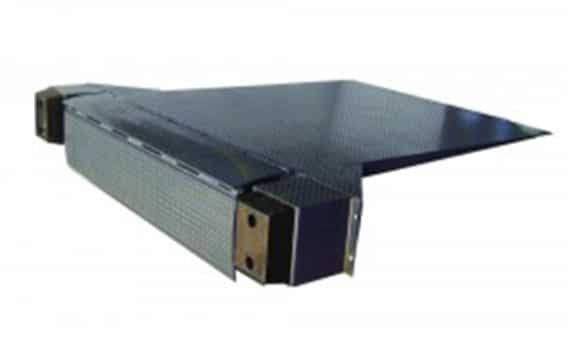
A loading dock without the right safety equipment is not just inefficient. It is a liability waiting to happen. Whether you are managing a single-bay facility in Vallejo, CA or a multi-door distribution center, the equipment at your dock is what stands between a smooth operation and a serious incident. This guide covers the essential safety equipment every loading dock needs, what each piece of dock equipment does, what to look for when evaluating your current setup, and the warning signs that tell you something needs attention or replacement. Vehicle Restraints: The Most Critical Safety Device on Any Dock If there is one piece of equipment that earns the title of most important on a loading dock, it is the vehicle restraint. Nothing else comes close in terms of the severity of incidents it prevents. Just as overhead doors depend on scheduled commercial garage door services to stay functional under heavy use, vehicle restraints depend on consistent inspection and maintenance to perform when it matters most. What Vehicle Restraints Do and Why They Matter They prevent trailer creep, the gradual forward movement a truck can make during loading without the driver realizing it. They stop early departure accidents where a driver pulls away before receiving a clear departure signal. They hold the trailer stable so dock levelers and forklifts can operate on a secure surface. They provide a visible confirmation point that the dock is locked and active before any worker boards. Types of Vehicle Restraints to Know RIG-style restraints hook onto the rear impact guard and are the most common type for standard trailers. Wheel chock restraints secure the trailer by blocking the rear wheels and are used when rear guards are incompatible. Automatic restraints engage mechanically when a trailer backs in, reducing the chance of a missed engagement. Manual restraints require a worker to engage and confirm the lock, which makes training and protocol essential. Signs Your Vehicle Restraints Need Attention The hook or arm shows visible bending, cracking, or corrosion that affects its ability to hold under load. The restraint engages but does not hold firmly when tested before the first truck of the day. The control panel indicator light fails to confirm engagement even after the restraint is activated. The restraint requires repeated attempts to engage or disengage during normal operation. If you want to know exactly how long your restraints and other dock equipment should last before replacement becomes the smarter call, read When to Inspect and Replace Your Loading Dock Equipment for the specific timelines and warning signs to watch for. Dock Levelers: Bridging the Gap Safely Dock levelers are the bridge between the dock floor and the trailer floor. Without a properly functioning leveler, every load transfer is a fall hazard and an equipment risk. Mechanical vs. Hydraulic vs. Air-Powered Levelers Mechanical levelers use spring tension to position the lip and are durable but require regular spring and hinge checks. Hydraulic levelers use fluid pressure for smooth, controlled movement and need regular fluid level and seal inspections. Air-powered levelers use pneumatic systems for positioning and require checks on air bags and pressure components. Vertical storing levelers keep the dock sealed when not in use and are ideal for temperature-controlled environments. What a Properly Functioning Leveler Looks Like The leveler positions smoothly and holds its angle consistently without drifting or dropping during use. The lip extends fully and rests flat against the trailer floor without gaps or uneven contact. There are no grinding, popping, or hydraulic sounds during operation that were not present before. The leveler returns to its fully stored position cleanly after each use without manual intervention. Leveler Warning Signs That Cannot Be Ignored Hydraulic fluid visible on the pit floor or on the leveler frame indicates an internal seal failure. The leveler drops unexpectedly during use, even slightly, which creates an immediate fall and equipment hazard. The lip fails to extend fully or hangs at an angle that creates an uneven surface for forklifts. The leveler requires more than one attempt to reach its correct operating position. Staying on top of these warning signs is only half the job, so read How to Keep Loading Dock Equipment Operating Safely to learn the daily and weekly habits that catch problems before they escalate. Dock Seals and Shelters: Protecting the Opening Dock seals and shelters are often treated as weatherproofing accessories rather than safety equipment. In practice, they do both, and a damaged seal creates problems that go beyond temperature control. Dock Seals vs. Dock Shelters: Understanding the Difference Dock seals compress against the sides and top of the trailer, creating a tight barrier that limits air exchange. Dock shelters frame the trailer opening without full compression, accommodating more trailer size variation. Combination systems use a shelter frame with foam pads at contact points for a balance of fit and flexibility. Inflatable seals use air pressure to conform to trailer contours and are effective for high-variation trailer fleets. How Damaged Seals Create Safety and Operational Problems Gaps at the trailer opening allow moisture to enter the dock area, increasing slip risk on dock floors. Exposed openings let in wind, pests, and temperature extremes that affect the working environment. A seal that no longer contacts the trailer properly allows forklift exhaust to recirculate into the dock space. Missing header padding exposes workers to contact with the top edge of the trailer during loading. What to Check on Dock Seals and Shelters Inspect foam pads and fabric facing for tears, compression damage, or detachment from the mounting frame. Check header curtains for holes, fraying edges, or visible light coming through when the dock is sealed. Confirm that side pads make consistent contact with the trailer sides without over-compressing or pulling away. Review mounting hardware for loose fasteners or frame damage that affects how the seal holds its position. Overhead Dock Doors: Heavy, Fast, and High-Risk When Neglected Overhead doors at loading docks operate in one of the harshest environments any door will face. High
When to Replace Your Sectional Overhead Door
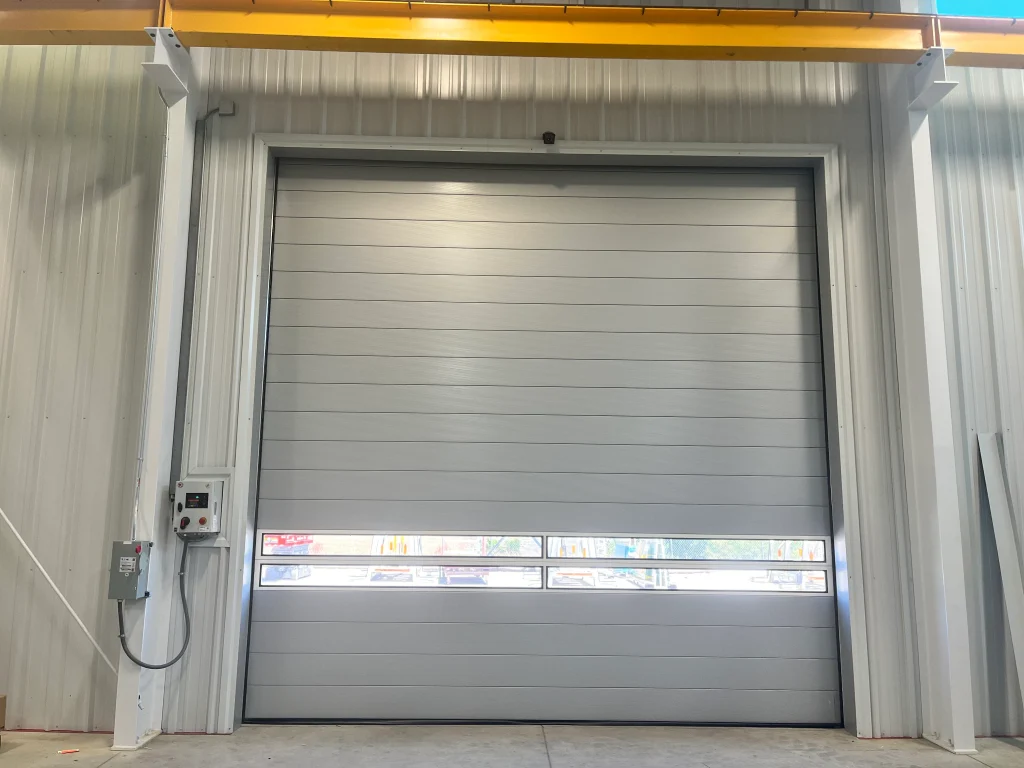
Your garage door is essential for the security and comfort of your home. If you live in Vallejo, you use your garage door every day. However, there may be times during the day when it stops working as it should. Normal use and time can cause many common garage door issues. You may hear unusual sounds or notice that the door does not open or close properly. Knowing the most usual problems lets you spot them fast. This way, you know when it is time to call for garage door technician. In this guide, we will outline the primary garage door problems people encounter and provide guidance on how to address them. Top 9 Common Garage Door Problems Vallejo Homeowners Face Most people with a garage at home will encounter garage door problems at some point. These problems can be simple, like something small needing a quick fix. Alternatively, the matter might be more complex to resolve, and you may need professional assistance. A garage door opener that doesn’t work properly or a broken garage door spring can disrupt your daily routine. It can also make your house feel less safe. Recognizing the signs of these common problems is the first step in addressing them. If your door will not move or is making too much noise, knowing what could be wrong helps you know what to do next. Let’s examine the most common problems and the steps you can take to address them. 1. Broken Garage Door Springs One of the most significant and potentially hazardous issues with a garage door is a broken garage door spring. A garage door must withstand a significant amount of weight, and over time, it can weaken due to rust and metal wear. If the spring breaks, you may hear a loud bang from your garage. You can tell there is a broken spring in the garage door if it feels too heavy when you try to lift it by hand. Another sign is when the door only goes up a little and then falls back down. In Vallejo, if you have a garage door problem, such as a broken spring, a professional can often fix it on the same day. This depends on having the right parts and finding a time that works for both parties. The garage door is really hard to lift by hand. The door opens a bit, but then it closes quickly. You can see a clear space in the spring. Because the garage door spring holds a significant amount of tension, it is recommended that you not attempt to replace it yourself. A professional garage door repair service should perform this type of garage door repair. The individual performing this task possesses the necessary expertise to do the job safely. If you attempt to repair the garage door spring yourself, you may cause further harm or damage the garage door. 2. Worn or Damaged Rollers Worn or broken rollers can make your garage door hard to use. They may cause your overhead door to move roughly or make noise. The rollers help your garage door move up and down smoothly. If these rollers get damaged, you may need more expensive garage door service. Doing regular maintenance and keeping the rollers oiled helps them last longer. You can reduce costly repairs by checking them regularly. It is smart to spot roller problems early. This makes your garage door work better and saves you trouble. If you notice any issues with your garage door, consider seeking help from a garage door repair company in your area. A garage door repair company can fix the problem and make your overhead door work smoothly again. You want to feel safe and get reliable operation. Here is a detailed insight from us: Finding the Best Garage Door Repair Company in Vallejo, CA. 3. Misaligned or Bent Tracks Bent or misaligned tracks are a common issue that can significantly impact the performance and safety of your garage door. When the tracks are not properly aligned, the door may become stuck, move unevenly, or even come off its tracks entirely. This not only puts extra strain on the garage door opener and other mechanical components but also increases the risk of accidents or injuries. Regular inspections are crucial in detecting track problems early. During these checks, professionals look for signs of wear such as dents, rust, gaps between the rollers and rails, or areas where the track is pulling away from the wall. Early detection allows for straightforward repairs, such as realigning or replacing damaged sections, before more complex—and costly—issues arise. In addition to safety concerns, ignoring track issues can lead to higher repair bills down the line. Misaligned tracks may cause additional damage to rollers, cables, and springs over time. Keeping up with routine maintenance ensures smoother operation, prolongs the lifespan of your entire garage door system, and preserves your investment in your home. For residents in Vallejo experiencing garage door malfunctions due to track problems or any other issue, it’s advisable to contact a local professional repair service promptly. Reputable companies in Vallejo offer comprehensive solutions, including inspection, realignment, lubrication, and replacement of worn parts. These experts can not only resolve current issues but also guide preventive care to minimize future breakdowns. By prioritizing regular maintenance and promptly addressing bent or misaligned tracks, you help ensure that your garage door remains reliable, efficient, and safe for years to come. 4. Unresponsive Garage Door Opener Garage door openers play a crucial role in the garage door system. These openers help your garage door operate smoothly, whether you have residential or commercial garage doors. Sometimes, the garage door opener may not work. This problem can be caused by issues with the electricity, dead batteries, or remotes that are not correctly connected. When this happens, it can frustrate you. Performing regular maintenance on your garage door can help prevent these common garage door problems. If you continue to experience trouble, consider contacting a garage
Sectional Overhead Door Cost: Is It Worth It?
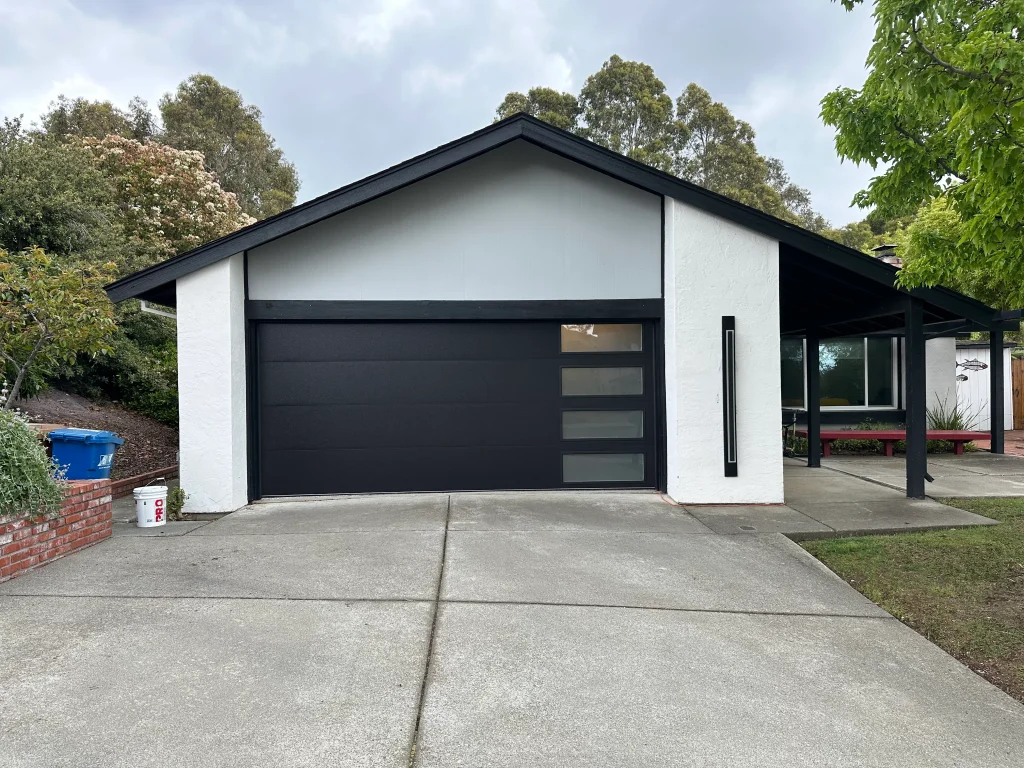
Your garage door is essential for the security and comfort of your home. If you live in Vallejo, you use your garage door every day. However, there may be times during the day when it stops working as it should. Normal use and time can cause many common garage door issues. You may hear unusual sounds or notice that the door does not open or close properly. Knowing the most usual problems lets you spot them fast. This way, you know when it is time to call for garage door technician in Vallejo. In this guide, we will outline the primary garage door problems people encounter and provide guidance on how to address them. Top 9 Common Garage Door Problems Vallejo Homeowners Face Most people with a garage at home will encounter garage door problems at some point. These problems can be simple, like something small needing a quick fix. Alternatively, the matter might be more complex to resolve, and you may need professional assistance. A garage door opener that doesn’t work properly or a broken garage door spring can disrupt your daily routine. It can also make your house feel less safe. Recognizing the signs of these common problems is the first step in addressing them. If your door will not move or is making too much noise, knowing what could be wrong helps you know what to do next. Let’s examine the most common problems and the steps you can take to address them. 1. Broken Garage Door Springs One of the most significant and potentially hazardous issues with a garage door is a broken garage door spring. A garage door must withstand a significant amount of weight, and over time, it can weaken due to rust and metal wear. If the spring breaks, you may hear a loud bang from your garage. You can tell there is a broken spring in the garage door if it feels too heavy when you try to lift it by hand. Another sign is when the door only goes up a little and then falls back down. In Vallejo, if you have a garage door problem, such as a broken spring, a professional can often fix it on the same day. This depends on having the right parts and finding a time that works for both parties. The garage door is really hard to lift by hand. The door opens a bit, but then it closes quickly. You can see a clear space in the spring. Because the garage door spring holds a significant amount of tension, it is recommended that you not attempt to replace it yourself. A professional garage door repair service should perform this type of garage door repair. The individual performing this task possesses the necessary expertise to do the job safely. If you attempt to repair the garage door spring yourself, you may cause further harm or damage the garage door. 2. Worn or Damaged Rollers Worn or broken rollers can make your garage door hard to use. They may cause your overhead door to move roughly or make noise. The rollers help your garage door move up and down smoothly. If these rollers get damaged, you may need more expensive garage door service. Doing regular maintenance and keeping the rollers oiled helps them last longer. You can reduce costly repairs by checking them regularly. It is smart to spot roller problems early. This makes your garage door work better and saves you trouble. If you notice any issues with your garage door, consider seeking help from a garage door repair company in your area. A garage door repair company can fix the problem and make your overhead door work smoothly again. You want to feel safe and get reliable operation. Here is a detailed insight from us: Finding the Best Garage Door Repair Company in Vallejo, CA. 3. Misaligned or Bent Tracks Bent or misaligned tracks are a common issue that can significantly impact the performance and safety of your garage door. When the tracks are not properly aligned, the door may become stuck, move unevenly, or even come off its tracks entirely. This not only puts extra strain on the garage door opener and other mechanical components but also increases the risk of accidents or injuries. Regular inspections are crucial in detecting track problems early. During these checks, professionals look for signs of wear such as dents, rust, gaps between the rollers and rails, or areas where the track is pulling away from the wall. Early detection allows for straightforward repairs, such as realigning or replacing damaged sections, before more complex—and costly—issues arise. In addition to safety concerns, ignoring track issues can lead to higher repair bills down the line. Misaligned tracks may cause additional damage to rollers, cables, and springs over time. Keeping up with routine maintenance ensures smoother operation, prolongs the lifespan of your entire garage door system, and preserves your investment in your home. For residents in Vallejo experiencing garage door malfunctions due to track problems or any other issue, it’s advisable to contact a local professional repair service promptly. Reputable companies in Vallejo offer comprehensive solutions, including inspection, realignment, lubrication, and replacement of worn parts. These experts can not only resolve current issues but also guide preventive care to minimize future breakdowns. By prioritizing regular maintenance and promptly addressing bent or misaligned tracks, you help ensure that your garage door remains reliable, efficient, and safe for years to come. 4. Unresponsive Garage Door Opener Garage door openers play a crucial role in the garage door system. These openers help your garage door operate smoothly, whether you have residential or commercial garage doors. Sometimes, the garage door opener may not work. This problem can be caused by issues with the electricity, dead batteries, or remotes that are not correctly connected. When this happens, it can frustrate you. Performing regular maintenance on your garage door can help prevent these common garage door problems. If you continue to experience trouble, consider contacting
How to Choose the Right Sectional Overhead Door for Your Home
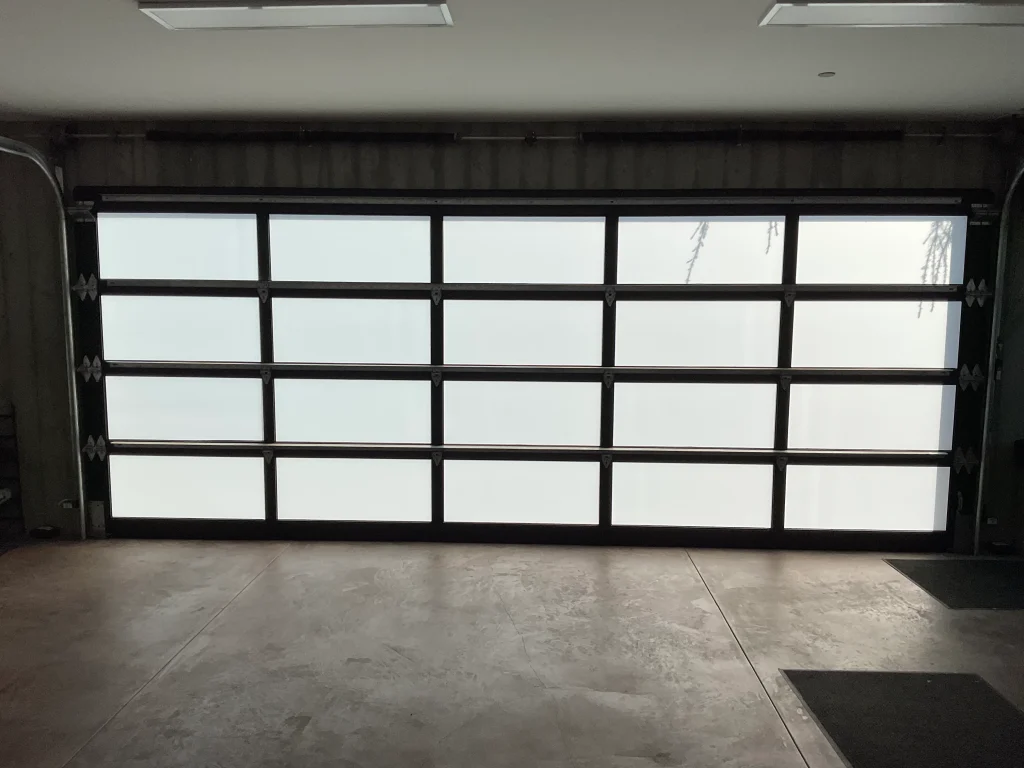
Walk into any garage door showroom or browse online, and you will quickly realize there are a lot of options. Different materials, panel styles, insulation ratings, color choices, opener types, and price ranges. It can feel overwhelming fast, especially if this is your first time replacing or installing a garage door. The good news is that choosing the right sectional overhead door comes down to a handful of key factors. When you work through each one, the decision gets a lot clearer. This guide is built to walk you through exactly that, whether you are a first-time buyer or a Vallejo homeowner who just wants to make a smarter upgrade this time around. Know Your Garage Opening First Before anything else, you need accurate measurements. A door that does not fit the opening correctly will cause problems from day one. Measure the width and height of the garage opening at the widest and tallest points Check how much headroom you have above the opening up to the ceiling, as most sectional doors need at least 10 to 12 inches of clearance Measure the depth of the garage from the opening to the back wall, since the door panels need room to travel horizontally when fully open Check the side room on both sides of the opening, typically at least three and a half inches on each side, for standard track hardware If your garage has non-standard dimensions, custom sizing is available, but it will affect the overall cost and lead time Taking the time to get these numbers right before you shop saves you from ordering a door that does not work with your space. Before you start comparing products, it helps to have a solid understanding of the door itself. If you are not fully familiar with how a sectional overhead door works, What Is a Sectional Overhead Door? covers the basics in plain terms. Choose the Right Material for Your Situation The material you choose affects how the door looks, how long it lasts, how much maintenance it needs, and how well it holds up to your local climate. Here is what each option brings to the table: Steel The most popular choice for residential sectional doors Durable, widely available, and comes in a range of gauges, with thicker gauges offering better dent resistance Can be painted or ordered with a factory finish in many colors Available with or without insulation Holds up well in most climates and requires minimal upkeep Aluminum Lightweight and naturally resistant to rust and corrosion A practical choice for businesses in Vallejo and the surrounding Bay Area, where moisture and salt air can be a factor Often used for full-view style doors with glass panels Thinner aluminum can dent more easily than steel, so it is worth asking about gauge options Wood Offers a rich, natural look that is hard to replicate with other materials Works well with craftsman, Tudor, and traditional home styles Requires regular sealing, staining, or painting to prevent warping, cracking, and rot Heavier than steel or aluminum, which can put more stress on the opener and springs over time Best suited for homeowners who are willing to commit to the maintenance involved Fiberglass and Composite Designed to look like wood without the same level of upkeep Resistant to cracking and warping, which makes it a lower-maintenance alternative Not as widely available as steel, so options may be more limited depending on your supplier A good middle ground for homeowners who want the look of wood with more durability Decide on a Panel Style The panel style you choose is largely about aesthetics, but it does affect curb appeal and resale value. Here are the most common options: Raised Panel The classic residential look with rectangular raised sections across each panel Clean, symmetrical, and it works with almost every home style Easy to find in a wide range of colors and materials Recessed Panel Similar to raised panel but with the design pressed inward rather than outward Creates a slightly more subtle, modern look A good fit for contemporary or transitional home styles Carriage House Designed to look like swinging barn or carriage house doors Often paired with decorative handles and strap hinges for added character Extremely popular in neighborhoods where curb appeal and architectural detail matter Works especially well on craftsman and colonial-style homes Flush Panel A smooth, flat surface with no raised or recessed detailing Clean and minimalist, which suits modern and industrial-style homes Can look sharp when paired with bold colors or natural wood grain finishes Full-View Glass Aluminum frames with large glass or acrylic inserts instead of solid panels Let’s in natural light and create an open, contemporary feel Popular for converted garages used as studios, gyms, or living spaces Think About Insulation Insulation is one of the most practical decisions you will make when choosing a sectional door. It is not just about comfort. It also affects energy efficiency and noise levels. If your garage is attached to your home and shares walls with living spaces, an insulated door can make a real difference in how well your home retains heat or stays cool Insulation is measured by an R-value. The higher the R-value, the better the thermal performance Polyurethane foam insulation offers a higher R-value and bonds directly to the steel, which also adds structural strength to the panels Polystyrene insulation is less expensive and still provides a reasonable level of thermal protection Non-insulated doors are a fine choice for detached garages that are not climate-controlled and are used mainly for storage In Vallejo, where temperatures can shift noticeably between seasons, an insulated door adds comfort and can contribute to lower energy bills over time Choose the Right Color and Finish Color and finish might seem like a small detail, but the garage door is one of the largest visual elements on the front of your home. Getting it right matters for curb appeal. Match the door color to your home’s trim, front
What Is a Sectional Overhead Door?

A sectional overhead door is one of the most common garage door styles used in homes across the United States. Instead of swinging outward like an old-fashioned single-panel door, it moves straight up. It is built from several horizontal panels connected by hinges, and when you open it, those panels bend and glide along a curved track until the door rests flat against the ceiling inside your garage. That upward movement is a big reason why people in Vallejo, CA, love this style. Short driveways, tight spaces, and older neighborhood layouts are no problem when the door does not need clearance to swing out. Whether you are replacing an aging door or installing one for the first time, knowing what you are working with helps you make a smarter, more confident decision. What Makes Up a Sectional Overhead Door Every sectional door is made up of several components that work together as a system. When one part is off, the whole door feels it. Here is a breakdown of what is inside: Panels Most doors have four to six horizontal panels, depending on the height of the garage opening Panels are the visible face of the door from the outside They come in a range of materials, including steel, aluminum, wood, and fiberglass Steel panels are the most popular because they are durable and low-maintenance Aluminum panels are lightweight and resist rust, which makes them a solid fit for homes near the Bay Wood panels offer a natural, classic look, but require more upkeep to prevent warping Fiberglass and composite panels mimic the look of wood without the heavy maintenance demands Hinges and Rollers Hinges connect each panel to the one above and below it, allowing the sections to bend as the door moves Rollers are attached to the sides of the panels and ride inside the track to guide the door Worn hinges and rollers are a common source of noise and uneven movement A technician will usually inspect these first if the door starts acting up Track System The track is the metal channel on both sides of the door that guides movement from vertical to horizontal It curves at the top, where the door transitions from going up to lying flat along the ceiling Proper alignment is critical because even a slight bend or gap in the track can throw off the entire operation Springs Springs do the heavy lifting by counterbalancing the weight of the door Torsion springs sit horizontally above the door opening and store energy as the door closes Extension springs are mounted along the sides of the track and stretch when the door goes down Torsion springs are generally considered safer and longer-lasting Spring repair and replacement must always be handled by a trained technician due to the high tension involved Automatic Opener Most sectional doors are connected to a motorized opener that operates the door via remote, wall button, or smartphone Modern openers include safety sensors near the floor that stop the door from closing if something is in the way The opener adds convenience but also an important layer of security for your home If you are still weighing your options before making a final call, How to Choose the Right Sectional Overhead Door for Your Home breaks down exactly what to look for based on your specific situation. Types of Sectional Overhead Doors Not every sectional door looks or performs the same. Knowing your options makes it easier to choose one that fits your home, your budget, and your lifestyle. Standard Raised Panel The most common style found on residential garages Features rectangular raised sections that add subtle depth and visual texture Available in a wide range of colors and finishes Easy to maintain and works with most home styles Carriage House Style Designed to look like vintage barn or carriage house doors Often includes decorative hardware such as handles and strap hinges that are cosmetic only A popular pick in neighborhoods where curb appeal and character matter Pairs well with craftsman and traditional home architecture Full-View Glass Uses aluminum frames with large glass or acrylic panels instead of solid sections Let natural light pour into the garage and create a sleek, modern look Commonly seen on contemporary homes and commercial properties Glass panels can be clear, frosted, or tinted, depending on your privacy preference Insulated Sectional Doors Built with a foam or polyurethane core sandwiched between two steel layers Helps regulate temperature inside the garage, which can lower energy costs in attached garages. Also reduces outside noise , which is a bonus if your garage is next to a bedroom or living space A smart investment who deal with shifting temperatures throughout the year Wind-Resistant Doors Reinforced with additional internal bracing and heavier gauge materials Built to meet specific wind load ratings for added protection during storms A practical choice for properties more exposed to strong seasonal winds For a broader look at door styles and what suits different home architectures, This Old House’s complete guide to garage doors covers the full range of options in detail. Why Businesses Choose Sectional Doors Sectional overhead doors have become the preferred choice for many commercial properties because they combine durability, security, efficiency, and ease of operation in one system. From warehouses and loading docks to service centers and industrial facilities, commercial door services often recommend sectional doors for their long-term performance and versatility. Here is why they remain a top choice: They open straight up, which means no wasted space in front of the garage Insulated versions help keep the garage cooler in summer and warmer in winter The multi-panel construction makes them harder to force open compared to single-panel doors They are available in dozens of styles, materials, and colors to match almost any home design The roller and track system provides smooth, consistent movement when properly maintained Automatic openers pair seamlessly with sectional designs for added daily convenience Replacement panels can often be swapped out individually if one
When to Repair or Replace Your Commercial Door Operator

Every commercial door operator has a lifespan. No matter how well it was built or how carefully it has been maintained, there will come a point when repairs are no longer enough, and replacement becomes the smarter call. The challenge for most business owners is knowing where that line is. Waiting too long costs you in emergency repair bills and operational downtime. Moving too fast means replacing a system that could have been saved with a targeted repair. This guide helps you make that call clearly and confidently, whether you manage a warehouse, a loading dock, or a commercial facility in Vallejo, CA, while also showing where commercial garage door services fit into the decision. Understand the Average Lifespan of a Commercial Door Operator Before you can decide whether to repair or replace, it helps to know what a realistic lifespan looks like for these systems. Not all operators age the same way. Usage, environment, and maintenance history all play a role. Here is a general lifespan breakdown by use level: Light-duty operators: Designed for low-cycle environments, typically up to 25 cycles per day. With proper maintenance, these can last 10 to 15 years or more. Standard-duty operators: Built for moderate use, around 25 to 75 cycles per day. Expect a lifespan of 8 to 12 years, depending on conditions. Heavy-duty operators: Rated for high-cycle industrial environments with 75 or more cycles per day. These are engineered for longevity, but heavy use and harsh conditions can shorten their effective life to 7 to 10 years without consistent maintenance. If your operator is approaching or past these thresholds and showing signs of decline, replacement deserves serious consideration. If it is relatively new and well within its expected range, a targeted repair is usually the right move. To better understand what a healthy system looks like from the ground up, What Is a Commercial Door Operator and How Does It Work? is a helpful starting point. Warning Signs Your Commercial Door Operator Needs Immediate Attention Some problems announce themselves clearly. Others develop gradually and are easy to dismiss until they become a full breakdown. Knowing which warning signs to watch for gives you the opportunity to act before an inconvenient issue becomes an expensive emergency. Watch for these red flags: Slow or sluggish movement: The door takes noticeably longer to open or close than it used to. This often points to a struggling motor, worn drive components, or track friction that is putting extra strain on the system. Grinding, clicking, or squealing sounds: Unusual sounds during operation are almost always a sign that something is worn, misaligned, or in need of lubrication. Left unaddressed, these sounds typically get worse and lead to component failure. Inconsistent response to controls: The door does not respond every time you activate it, or there is a significant delay between the trigger and the door’s movement. This can indicate electrical issues, a failing control panel, or worn receiver components. Door reverses without an obstruction: If the door starts closing and then reverses on its own with nothing in its path, the limit switches or safety sensors likely need adjustment or replacement. Visible physical damage: Bent tracks, cracked panels, frayed cables, or broken rollers are physical signs that the system has taken damage and needs professional attention right away. Motor overheating: If the motor becomes hot to the touch during or after normal operation, it may be undersized for your cycle count or reaching the end of its service life. If you are seeing one or two of these signs, a repair visit is likely all you need. If several are showing up at once, especially in an older system, replacement may be the more practical path. Repair First: Situations Where a Fix Makes Sense Not every problem requires a full replacement. In many cases, a targeted repair by a qualified technician is all it takes to get your system back to full performance. Knowing when a repair is the right call saves you from unnecessary spending. Repair is typically the right choice when: The operator is relatively new: If the system is under five years old and well within its expected duty cycle, most issues are worth repairing rather than replacing the entire unit. The problem is isolated: A single failed component, such as a broken limit switch, worn drive gear, or damaged safety sensor, does not mean the whole system needs to go. Replacing one part is almost always more cost-effective than a full replacement. The motor is still performing well: If the motor runs quietly and consistently but another component is causing the issue, repair is usually the right approach. Maintenance has been consistent: A system with a clean service history tends to respond well to repairs because the surrounding components are in good shape. The repair cost is reasonable relative to replacement: As a general rule, if the repair cost is less than 50 percent of what a replacement would cost, repairing is usually the smarter financial decision. A professional inspection will give you a clear picture of which components are failing and which are still in good condition. That information is what makes the repair versus replacement decision straightforward rather than a guess. In many cases, issues like sensor misalignment or limit switch problems, commonly covered in guides on repairing a garage door that won’t close, can be resolved without replacing the entire system Replace Instead: Clear Signs It Is Time for a New Operator There are situations where continuing to repair an aging system is simply throwing good money after bad. At a certain point, replacement is not just the smarter financial move, it is also the safer one. Consider replacement when: Repairs are becoming frequent: If you are calling for service every few months, the system is telling you something. Recurring failures across multiple components usually signal that the operator as a whole is worn out. The operator is no longer code compliant: Older systems may not meet current UL
What Are the Benefits of a Commercial Door Operator?
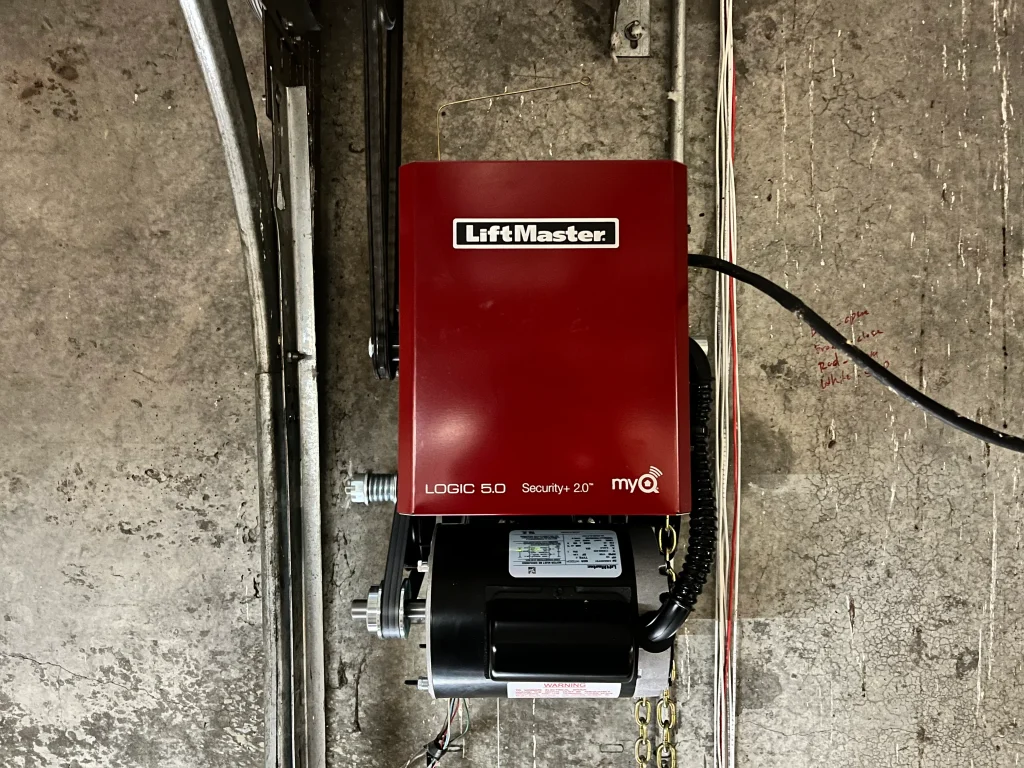
A commercial door operator does a lot more than open and close a door. For businesses in Vallejo, CA, and beyond, it is a system that directly impacts how safely, smoothly, and cost-effectively a facility runs every single day. Yet many business owners only discover these benefits after upgrading from a manual setup or replacing an outdated system. If you are evaluating whether a commercial door operator is worth it for your facility, this guide lays out every major benefit in clear, practical terms. It also shows how commercial garage door services help protect that investment and keep the system performing the way it should. Significantly Reduces the Risk of Workplace Injuries One of the most important benefits of a commercial door operator is what it does for workplace safety. Large commercial doors are heavy, and manually operating them puts workers at risk of strain, pinch points, and crush injuries. Here is how an automated operator changes that: Auto-reverse functionality: The door immediately stops and reverses if it detects a person, vehicle, or object in its path. This is a mandatory feature under UL 325 safety standards. Consistent, controlled movement: The door moves at a programmed speed every time, eliminating the unpredictable motion that comes with manual handling. No manual lifting required: Employees no longer need to physically push, pull, or guide a heavy door. This reduces repetitive strain and the risk of musculoskeletal injuries over time. Safety edge sensors: These detect pressure or contact along the door’s leading edge and trigger an immediate stop before any serious contact occurs. Workplace injuries are costly in more ways than one. There is the human impact on your team, the potential for workers’ compensation claims, and the productivity loss that follows. A commercial door operator addresses all of that at the source. Read Why Your Business Needs a Commercial Door Operator, which explains why this upgrade can make a real difference in busy commercial spaces. Boosts Productivity Across Your Entire Operation Every second your team spends waiting for a door to open or close is a second taken away from actual work. In high-traffic commercial environments, those seconds compound into real losses. A commercial door operator delivers measurable productivity gains: Faster access cycles: Automated doors open and close in a fraction of the time it takes to do it manually, keeping vehicles, forklifts, and personnel moving without delay. Hands-free operation: Employees can trigger the door remotely using a key fob, push button, or loop detector, without stopping, setting things down, or leaving their equipment. Consistent availability: Unlike manual operation, which depends on someone being present to open the door, an automated system is ready every single time a trigger is activated. Reduced miscommunication: In noisy environments like warehouses and auto shops, a clear, reliable door system eliminates confusion about whether a door is open, closed, or ready for use. For Vallejo, CA businesses that rely on tight delivery schedules or continuous workflow, the productivity benefit alone often justifies the investment. Provides Stronger and More Reliable Access Control Manual doors offer minimal control over who comes and goes. A commercial door operator changes that entirely by integrating with modern access control systems that give you precise, trackable control over your facility’s entry points. Key access control benefits include: Multiple activation methods: Choose from key fobs, PIN keypads, card readers, proximity sensors, or smartphone-based systems, depending on your security requirements. Timed access schedules: Program the system to allow access only during specific hours. Doors can be set to lock automatically after business hours without any manual intervention. Entry and exit logging: Advanced systems record every time a door is activated, by whom, and at what time. This creates an audit trail that is invaluable for security reviews or incident investigations. Remote monitoring and control: Some systems allow facility managers to open, close, or lock doors remotely from a phone or computer. This is particularly useful for after-hours situations or emergencies. To understand the full picture of what these systems are built to do, What Is a Commercial Door Operator and How Does It Work? provides a solid foundation on the mechanics behind these access features. Lowers Your Overall Operating Costs Over Time A commercial door operator is an upfront investment, but the long-term savings it generates often surprise business owners who track the numbers carefully. Here is where the savings come from: Reduced labor costs: When doors operate automatically, your team does not need to stop and manage them manually. In high-cycle facilities, this adds up to significant labor savings over time. Lower repair frequency: Automated systems apply a consistent, measured force to the door every cycle. This reduces wear on tracks, rollers, springs, and panels compared to the uneven force of manual operation. Energy savings: Doors that close automatically and on a consistent schedule prevent unnecessary heat loss or gain, which reduces the load on your HVAC system, especially in climate-controlled environments. Fewer emergency service calls: A well-maintained automated system is far less likely to fail unexpectedly. Routine maintenance costs far less than emergency garage door repairs, which often come with premium labor rates and operational downtime. The average cost of a single emergency commercial door repair, combined with the downtime it causes, can quickly exceed what regular preventive maintenance would have cost over an entire year. Routine inspection, lubrication, and preventive care are widely recommended in garage door maintenance tips to help reduce avoidable wear and long-term repair costs. Meets Compliance and Accessibility Requirements With Ease For businesses open to the public, compliance with ADA accessibility standards is not optional. A commercial door operator is one of the most practical and effective ways to meet those requirements without major structural changes to your facility. Compliance benefits include: Power-assisted and low-energy operators: These open doors with minimal physical force, making them accessible to individuals with mobility limitations, including wheelchair users. Automatic activation options: Push plates, motion sensors, and remote triggers allow hands-free door operation for customers and employees who cannot operate a
Why Your Business Needs a Commercial Door Operator
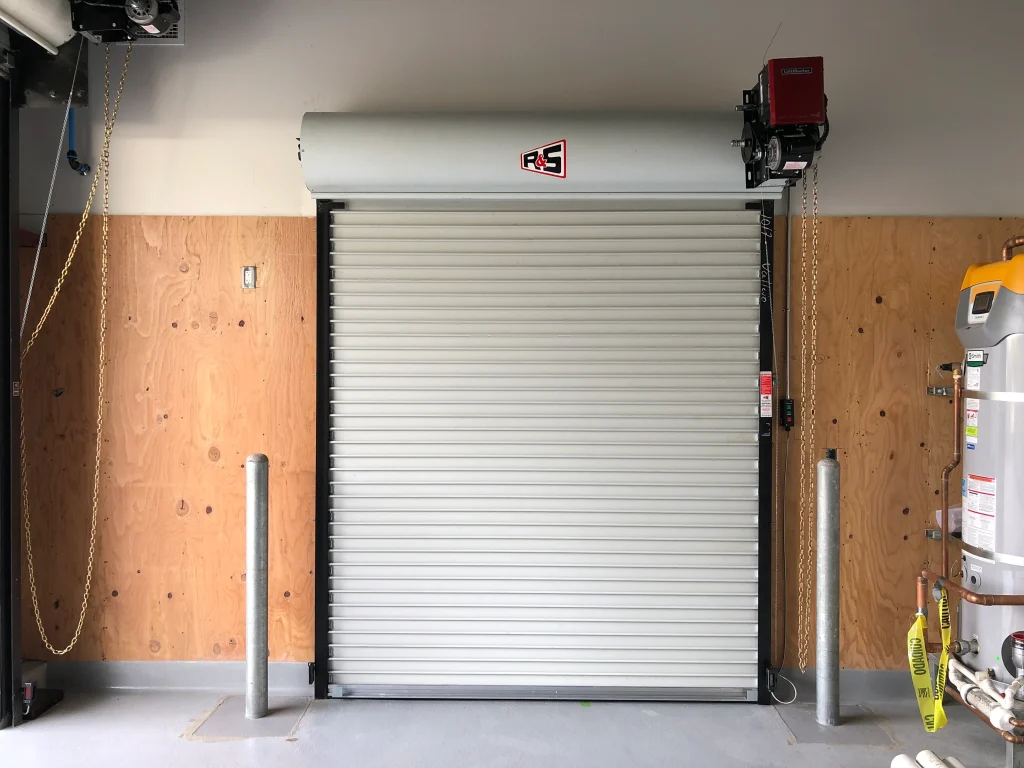
Most business owners do not think much about their doors until something goes wrong. A door that sticks, slows down deliveries, or fails to close properly can quietly cost your business more than you realize. Whether you manage a warehouse in Vallejo, CA, run an auto repair shop, or oversee a busy distribution center, a commercial door operator is one of those investments that pays for itself over time. This article breaks down the real, practical reasons why your business needs one, what to look for before you make a decision, and how commercial garage door services help keep the system working the way it should. It Keeps Your Employees and Customers Safer Safety is the number one reason businesses install commercial door operators. Manual doors, especially large and heavy ones, put your team at risk every single time someone has to open or close them by hand. Here is what a commercial door operator does for safety: Auto-reverse protection: If the door comes into contact with a person, vehicle, or object while closing, it automatically stops and reverses. This is required under the UL 325 safety standard. Safety sensors: Photoelectric sensors detect obstructions in the door’s path before contact is even made. The door stops before anyone gets injured. Controlled speed: Commercial operators move the door at a consistent, controlled speed. This eliminates the risk of a heavy door slamming shut unexpectedly. Emergency release: In the event of a power failure, employees can manually operate the door without struggling with the full weight of an unsupported overhead door. In a busy commercial environment, these features are not optional extras. They are the baseline standard for keeping your people protected. If you want a full breakdown of what these systems offer beyond security, What Are the Benefits of a Commercial Door Operator? covers every advantage in detail. It Improves Daily Operational Efficiency Time is one of your most valuable resources as a business owner. Every minute a driver waits for a door to open manually, or every delay caused by a door that is slow to respond, adds up over the course of a week, a month, and a year. A commercial door operator streamlines your workflow in several key ways: Faster cycle times: Automated doors open and close much faster than manual operation, keeping vehicles and staff moving without unnecessary stops. Hands-free access: Employees do not need to stop what they are doing to open a door. Loop detectors, key fobs, and remote controls allow seamless access without breaking stride. Reduced bottlenecks: At loading docks and entry points, smooth door operation keeps traffic flowing. A single slow or malfunctioning door can back up an entire operation. Consistent performance: Unlike manual doors that depend on whoever happens to be nearby, an operator performs the same way every cycle, every time. For businesses in Vallejo, CA that handle daily deliveries, shift changes, or high vehicle traffic, the efficiency gains from a well-functioning commercial door operator are immediate and measurable. It Strengthens Your Business Security A commercial door operator does more than move a door. It controls who has access to your property and when. That level of control is something a manually operated door simply cannot provide. Here is how a commercial door operator improves security: Access control integration: Modern operators connect to card readers, keypads, intercoms, and even smartphone-based systems. You decide who gets in and when. Automatic closing: Doors that close automatically eliminate the risk of someone leaving an entry point open by mistake, which is one of the most common causes of unauthorized access. Audit trails: Advanced access control systems log every entry and exit. If something happens, you have a record to reference. Tamper resistance: Commercial operators are built with reinforced housings and locking mechanisms that are much harder to defeat than a manual door latch. For businesses that store valuable inventory, equipment, or sensitive materials, this level of security is not a luxury. It is a necessity. It Reduces Long-Term Maintenance and Repair Costs This one surprises a lot of business owners. At first glance, installing a commercial door operator feels like an added expense. But when you factor in the cost of maintaining a manually operated commercial door, the math often works out in favor of automation. Here is why: Less physical stress on the door: Manual operation puts uneven force on tracks, rollers, springs, and hinges. Automated systems apply a consistent, measured force every cycle, which reduces wear significantly. Early fault detection: Modern commercial door operators include diagnostic systems that alert you to issues before they turn into full breakdowns. A small adjustment caught early costs far less than an emergency garage door repair. Longer door lifespan: Because the system operates smoothly and consistently, the door itself lasts longer. Panels, tracks, and hardware take less abuse over time. Fewer emergency service calls: A well-maintained automated system is far less likely to fail unexpectedly than a door that relies on manual use and human judgment. The average cost of an emergency commercial door repair is significantly higher than a routine maintenance visit. Investing in a quality operator and keeping up with scheduled inspections is almost always the more cost-effective path. Read When to Repair or Replace Your Commercial Door Operator to learn the warning signs that can save you time and money. It Supports ADA Compliance and Accessibility If your commercial property is open to the public, accessibility is not just a courtesy; it is a legal requirement. The Americans with Disabilities Act sets clear standards for how doors in commercial spaces must function, and a commercial door operator is often the most practical way to meet those standards. Key accessibility considerations include: Low-energy or power-assisted operators: These allow doors to open with minimal physical effort, making them accessible to people with mobility limitations. Automatic activation options: Push plates, motion sensors, and remote activation allow people to open doors without using their hands, which is essential for wheelchair users and those with limited
What Is a Commercial Door Operator and How Does It Work?
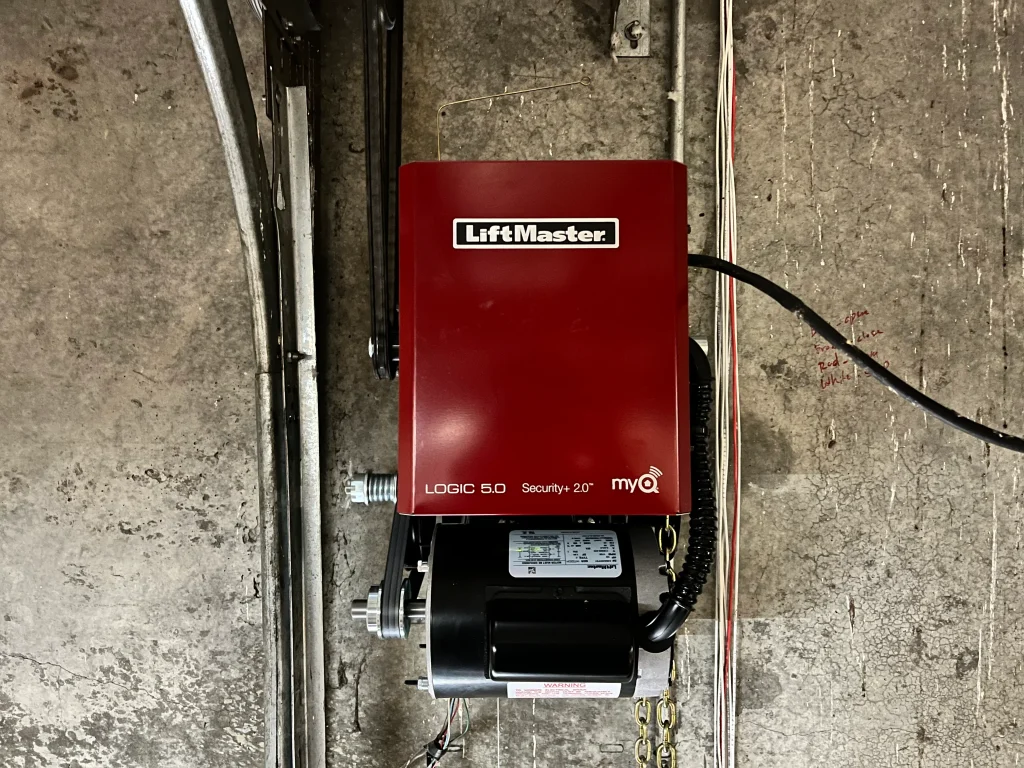
If you run a business, manage a warehouse, or oversee a commercial property, you have probably seen a commercial door operator in action without realizing it. That large overhead door that opens smoothly when a truck backs in, or the automatic door that swings open when an employee waves a key fob, are both powered by a commercial door operator and often supported through professional commercial garage door services. But what exactly is it? How does it work? And why does it matter for your business operations in Vallejo, CA? This guide breaks it all down in plain, easy-to-understand terms. Whether you are new to commercial doors or just want to understand the system better, this article is for you. What Is a Commercial Door Operator? A commercial door operator is a motorized system that opens and closes large doors in commercial and industrial settings. It is designed to handle frequent, heavy use, unlike the residential garage door openers you might have at home. These systems are built for businesses such as: Warehouses and distribution centers Loading docks Auto repair shops Retail storefronts Fire stations Schools and government buildings Commercial door operators are not just about convenience. They also play a big role in security, safety, and the smooth flow of daily operations. A well-functioning door operator keeps your staff safe, protects your inventory, and keeps your business moving without unnecessary delays. If you are still learning about your options and want to explore how this system fits your facility, check out What Are the Benefits of a Commercial Door Operator? for a deeper look at the value it brings. Key Components of a Commercial Door Operator Understanding how a commercial door operator works starts with knowing its main parts. Each component plays a specific role, and when one fails, the whole system can be affected. Here are the core components you should know: Motor Unit: This is the heart of the system. The motor drives the door open and closed. Commercial motors are rated for heavy-duty, high-cycle use, meaning they can handle dozens or even hundreds of cycles per day. Drive System: The motor connects to the door through a drive system. This can be a chain drive, belt drive, or screw drive, each with different levels of noise, speed, and durability. Control Panel: This is the brain of the operator. It receives signals from switches, remotes, or sensors and tells the motor when to act. Modern control panels also include diagnostic features that flag issues before they become bigger problems. Limit Switches: These tell the operator when the door has reached the fully open or fully closed position. Without them, the door would keep moving and cause serious damage. Safety Sensors: Photoelectric sensors or safety edges detect obstructions in the door’s path. If something or someone is in the way, the door stops or reverses automatically. Emergency Release: This allows the door to be operated manually during a power outage. It is a critical safety feature, especially in facilities with large vehicles or time-sensitive operations. Remote Controls and Access Systems: Key fobs, keypads, card readers, and loop detectors allow authorized users to operate the door from a distance or automatically as a vehicle approaches. If your facility depends on reliable access, Why Your Business Needs a Commercial Door Operator is an article worth reading. How Does a Commercial Door Operator Work? Now that you know the parts, here is how they all work together in a typical operation cycle: Trigger Signal: A user presses a button, waves a key fob, or a vehicle drives over a loop detector buried in the pavement. This sends a signal to the control panel. Motor Activation: The control panel receives the signal and activates the motor. The motor engages the drive system, which begins pulling or pushing the door along its tracks. Door Movement: The door moves along its track system, guided by rollers and springs that help balance its weight. For overhead doors, the door panels fold upward and rest horizontally above the opening. Limit Switch Trigger: Once the door reaches the fully open position, the limit switch cuts power to the motor so the door stops at the right point. Safety Check: Throughout the movement, the safety sensors are active. If an obstruction is detected, the door stops immediately and may reverse direction. Close Cycle: When the close signal is sent, the same process happens in reverse. The motor activates, the door lowers, and the limit switch stops it once it is fully closed. This entire cycle happens in seconds, but it involves precise coordination between every component in the system. That is why regular inspection and maintenance are so important. Safety coordination in automated door systems is reinforced by industry standards like UL 325, which outline how operators must respond to signals, movement limits, and obstruction detection for safe operation. Types of Commercial Door Operators Not all commercial door operators are the same. The type you need depends on your door size, usage frequency, and the kind of business you operate. Here is a breakdown of the most common types: Jackshaft Operators: Mounted on the side of the door rather than overhead. Great for facilities with limited ceiling space. They are common in warehouses and auto shops. Trolley Operators: The most traditional type. A trolley runs along a rail mounted to the ceiling and pulls the door open. These are reliable and widely used. Hoist Operators: Built for very heavy doors. These use a chain hoist mechanism and are common in industrial settings where doors can weigh thousands of pounds. Slide to Side Operators: Designed for doors that slide horizontally rather than roll up. Often used in aircraft hangars or specialty commercial facilities. Barrier Gate Operators: Found at parking facilities and entry points. These raise and lower a horizontal bar to control vehicle access. Each type has its own motor size, speed rating, and duty cycle. Choosing the wrong type can lead to premature wear, frequent repairs, and