
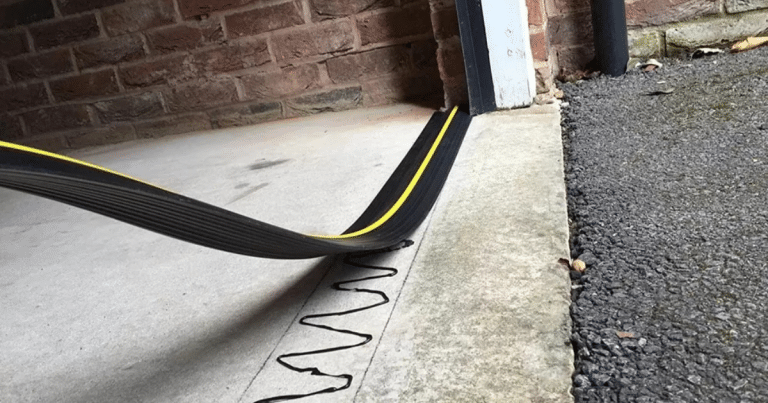
Keeping your garage protected starts with the right bottom seal. Water, dirt, and pests can easily sneak in through gaps, especially as your garage door ages or the ground shifts. A worn seal lets in drafts and damages the clean space you’ve worked to maintain.
Choosing the right seal matters. Some work better for uneven floors, others for rain. Learning about overhead door garage door bottom seal types helps you find the best one for lasting protection, better insulation, and a cleaner, more comfortable garage all year.

Read more to find the best seal options, how they work, and what materials give strong protection. This guide also shares easy tips for choosing the proper seal and provides simple steps for a quick and smooth DIY installation.
Why Bottom Seals Matter for Overhead Garage Doors
The bottom seal is more than just a rubber strip; it’s the first line of defense between your garage and the outside world. When installed properly, it prevents:
- Rainwater from flooding your garage floor
- Leaves, dirt, and debris from blowing inside
- Pests like insects, snakes, or rodents from entering
- Heat or cold from escaping, helping you save on energy bills
A strong, flexible seal improves comfort and energy efficiency. The right type of overhead door garage door bottom seal helps block weather and protect your garage year-round.
What Makes a Good Bottom Seal?
Before we discuss the types, let’s first understand what makes a good bottom seal superior to a regular one.
- Material Quality: Rubber and vinyl are the most common materials. Rubber is more flexible and better for colder climates, while vinyl is usually cheaper and sufficient for milder environments.
- Weather Resistance: A bottom seal should resist cracking, shrinking, or hardening over time, especially in areas with extreme temperatures.
- Fit and Compatibility: Not all seals are compatible with all overhead garage doors. Ensure you are familiar with the style of your door track and the width of the seal slot.
- Ease of Installation: Some seals are easier to install than others, especially for DIY homeowners. Slide-in and retainer-type seals are popular for that reason.
Popular Overhead Door Bottom Seal Types That Work
Choosing the right overhead door bottom seal helps keep out dust, rain, pests, and drafts. Here are the most effective types:
1. T-End Bottom Seals
T-end bottom seals are flexible strips made of rubber or vinyl. They fit into a metal track shaped like an upside-down T. When the door closes, the seal compresses to block out moisture, dirt, and cold drafts from outside.
This type is popular for both homes and businesses because of its reliable fit and solid barrier. If your garage already has the matching track, replacing the seal is simple; just remove the old one and slide in the new strip.
T-end seals are best for smooth floors where the tube can press down evenly. They help protect against weather changes and keep the garage interior cleaner and more comfortable throughout the year.
2. Bulb-Type Seals
Bulb seals have a round shape that looks like a balloon. Their thick form helps fill in cracks and gaps, which is helpful for uneven garage floors. They offer extra cushion and support at the base of the door.
When the door shuts, the bulb slightly flattens to create a tight seal. This helps block wind, insects, and water. The material stays soft in both hot and cold climates, making it a dependable choice throughout the year.
Bulb-style seals are strong and long-lasting. They work well in older garages where the floor may have shifted. Their shape provides better coverage and enhances your door’s overall weather protection.
3. Beaded Seals
Beaded seals include a round edge that snaps into a special channel at the bottom of the door. They’re mostly found on heavier or commercial garage doors due to their secure fit and sturdy construction.
These seals do not slide like others. Instead, they click into place, which prevents them from moving or falling out over time. This locking style offers a reliable solution for areas with frequent use or strong winds.
Beaded seals help guard against debris and rain. Made from tough rubber, they stay in good shape for a long time. Their design makes them a smart option for stronger door systems that need extra durability.
4. Flat Seals (Strip Seals)
Flat seals are thin strips that attach directly to the bottom of your garage door. You can install them with nails, screws, or adhesive. Their simple setup makes them a good fit for quick fixes or DIY projects.
They don’t block water as well as thicker options, but they still keep out small debris like dust and leaves. These are most effective in areas with dry weather and minimal exposure to moisture.
Flat-style seals are affordable and easy to replace. Though they may wear down faster than other types, they’re a useful choice for basic protection without a high cost.
5. Threshold Seals (Used with Bottom Seals)
Threshold seals are placed on the garage floor, not on the door. They create a raised edge that works with the door’s bottom strip. This setup improves sealing, preventing water and dirt from slipping through.
The raised strip helps guide the door into position when closing. It’s especially helpful in driveways that slope or in areas that get heavy rain. Together with a bottom seal, it forms a stronger barrier.
This combination boosts insulation and prevents flooding during storms. It’s ideal for garages that need better protection from water buildup and helps maintain a clean, dry space inside.
For homeowners in rainy or snowy regions, adding a threshold seal to your garage setup can significantly improve its ability to stay dry.
Choosing the Right Seal for Your Needs

Not all garages face the same challenges, so choosing the correct type of bottom seal depends on a few key factors:
- Climate and Weather: In colder regions, go for a flexible rubber seal that won’t crack. For areas with rainy conditions, pair a bottom seal with a threshold.
- Garage Floor Condition: If the floor is uneven, bulb seals are better at filling gaps.
- Garage Usage: If you use your garage as a workspace, you’ll want maximum insulation. In that case, combine a high-quality bottom seal with side and top weatherstripping.
Tip: Always check your retainer style. Some overhead garage doors use T-end or beaded seals, while others need screw-on strips. Measure your old seal before buying a replacement.
Maintenance Tips to Keep Your Bottom Seal Working
Even the best overhead door garage door bottom seal types need some care to last longer. Here’s how you can maintain your seal and make sure it continues to do its job:
- Clean Regularly: Sweep away dirt and wash the seal with mild soap and water.
- Check for Damage: Cracks, tears, or hard spots mean it’s time to replace the seal.
- Lubricate If Needed: A bit of silicone spray can help slide-in seals move more easily during replacement.
- Inspect the Retainer: Make sure the metal track holding the seal isn’t rusted or bent.
How Often Should You Replace a Garage Door Bottom Seal?
Most high-quality bottom seals can last anywhere from three to eight years, depending on the climate, usage, and exposure. Signs that it’s time to replace your seal include:
- Water is seeping under the door
- Noticeable drafts or light coming through the bottom
- Cracked, brittle, or flattened seal
- Pests or bugs are sneaking in more often
Replacing the bottom seal is a quick and affordable fix that can save you from bigger issues like water damage, increased energy bills, and pest infestations.
Conclusion
Keep your garage clean and safe by sealing the gaps that let in water, bugs, and cold air. A good bottom seal helps protect your space and makes your garage more comfortable and energy-efficient every day.
The right seal blocks rust, moisture, and dirt. It also helps you save money by keeping your garage dry and warm. This simple upgrade enhances the appearance, functionality, and overall experience of your garage every day.
Discover the best types of overhead door garage door bottom seals for your specific needs. A proper seal fits well, lasts long, and helps keep your garage in better shape all year.
Contact R&S Erection of Vallejo, Inc. at (707) 644-5537 for assistance with selecting and installing the correct seal. We’ll keep your garage door sealed tight and working well in every season. Let us handle the work.
Frequently Asked Questions
What do you call the seal at the bottom of a garage door?
The seal at the bottom of a garage door is commonly called a bottom seal or garage door weather seal. It compresses against the floor when the door closes, creating a tight barrier against outside elements.
How to seal garage door bottom side gaps?
To seal garage door bottom side gaps, install side weatherstripping and ensure the bottom seal is flexible and undamaged. Use a threshold seal on the floor if the gap remains, or adjust the door’s alignment if necessary.
How do I know which door seal I need?
To know which door seal you need, measure your door’s width and the seal track shape. Determine whether your track requires a T-style, bulb, or beaded seal, and verify your door’s model for compatibility before purchasing a replacement.
How do I choose a seal?
Choose a seal based on your door’s track type, gap size, and local climate conditions. For uneven floors, use a bulb or adjustable threshold seal. Ensure the material is weather-resistant for long-lasting performance in your specific environment.
What do you call the seal at the bottom of a garage door?
The seal at the bottom of a garage door is commonly called a bottom seal or garage door weather seal. It compresses against the floor when the door closes, creating a tight barrier against outside elements.
How to seal garage door bottom side gaps?
To seal garage door bottom side gaps, install side weatherstripping and ensure the bottom seal is flexible and undamaged. Use a threshold seal on the floor if the gap remains, or adjust the door’s alignment if necessary.
How do I know which door seal I need?
To know which door seal you need, measure your door’s width and the seal track shape. Determine whether your track requires a T-style, bulb, or beaded seal, and verify your door’s model for compatibility before purchasing a replacement.
How do I choose a seal?
Choose a seal based on your door’s track type, gap size, and local climate conditions. For uneven floors, use a bulb or adjustable threshold seal. Ensure the material is weather-resistant for long-lasting performance in your specific environment.
End Note
If you need help choosing the correct type of overhead door garage door bottom seal, R&S Erection of Vallejo, Inc. offers strong and trusted options. These seals block water, dirt, and bugs while helping your garage door close tightly and work better.
We also install automatic door systems for businesses that need easy and safe access. These doors work well with the correct seal, making sure everything runs smoothly. They are ideal for busy areas that require both security and easy door access on a daily basis.
Our 24-hour emergency repair service is ready when your garage door has trouble. If the seal is broken or the door won’t close, we come fast and fix it. Our team works safely and ensures the problem is fully resolved.
We also install gates for homes and businesses that require added security. You can follow us on Facebook and Twitter, or visit our Google Maps page for directions and reviews.
R&S Erection of Vallejo
401 Mississippi St, Vallejo, CA 94590, United States
+17076445537