
Best Overhead Garage Door Bottom Seal Types: Everything You Need to Know

Keeping your garage protected starts with the right bottom seal. Water, dirt, and pests can easily sneak in through gaps, especially as your garage door ages or the ground shifts. A worn seal lets in drafts and damages the clean space you’ve worked to maintain. Choosing the right seal matters. Some work better for uneven floors, others for rain. Learning about overhead door garage door bottom seal types helps you find the best one for lasting protection, better insulation, and a cleaner, more comfortable garage all year. Read more to find the best seal options, how they work, and what materials give strong protection. This guide also shares easy tips for choosing the proper seal and provides simple steps for a quick and smooth DIY installation. Why Bottom Seals Matter for Overhead Garage Doors The bottom seal is more than just a rubber strip; it’s the first line of defense between your garage and the outside world. When installed properly, it prevents: Rainwater from flooding your garage floor Leaves, dirt, and debris from blowing inside Pests like insects, snakes, or rodents from entering Heat or cold from escaping, helping you save on energy bills A strong, flexible seal improves comfort and energy efficiency. The right type of overhead door garage door bottom seal helps block weather and protect your garage year-round. What Makes a Good Bottom Seal? Before we discuss the types, let’s first understand what makes a good bottom seal superior to a regular one. Material Quality: Rubber and vinyl are the most common materials. Rubber is more flexible and better for colder climates, while vinyl is usually cheaper and sufficient for milder environments. Weather Resistance: A bottom seal should resist cracking, shrinking, or hardening over time, especially in areas with extreme temperatures. Fit and Compatibility: Not all seals are compatible with all overhead garage doors. Ensure you are familiar with the style of your door track and the width of the seal slot. Ease of Installation: Some seals are easier to install than others, especially for DIY homeowners. Slide-in and retainer-type seals are popular for that reason. Popular Overhead Door Bottom Seal Types That Work Choosing the right overhead door bottom seal helps keep out dust, rain, pests, and drafts. Here are the most effective types: 1. T-End Bottom Seals T-end bottom seals are flexible strips made of rubber or vinyl. They fit into a metal track shaped like an upside-down T. When the door closes, the seal compresses to block out moisture, dirt, and cold drafts from outside. This type is popular for both homes and businesses because of its reliable fit and solid barrier. If your garage already has the matching track, replacing the seal is simple; just remove the old one and slide in the new strip. T-end seals are best for smooth floors where the tube can press down evenly. They help protect against weather changes and keep the garage interior cleaner and more comfortable throughout the year. 2. Bulb-Type Seals Bulb seals have a round shape that looks like a balloon. Their thick form helps fill in cracks and gaps, which is helpful for uneven garage floors. They offer extra cushion and support at the base of the door. When the door shuts, the bulb slightly flattens to create a tight seal. This helps block wind, insects, and water. The material stays soft in both hot and cold climates, making it a dependable choice throughout the year. Bulb-style seals are strong and long-lasting. They work well in older garages where the floor may have shifted. Their shape provides better coverage and enhances your door’s overall weather protection. 3. Beaded Seals Beaded seals include a round edge that snaps into a special channel at the bottom of the door. They’re mostly found on heavier or commercial garage doors due to their secure fit and sturdy construction. These seals do not slide like others. Instead, they click into place, which prevents them from moving or falling out over time. This locking style offers a reliable solution for areas with frequent use or strong winds. Beaded seals help guard against debris and rain. Made from tough rubber, they stay in good shape for a long time. Their design makes them a smart option for stronger door systems that need extra durability. 4. Flat Seals (Strip Seals) Flat seals are thin strips that attach directly to the bottom of your garage door. You can install them with nails, screws, or adhesive. Their simple setup makes them a good fit for quick fixes or DIY projects. They don’t block water as well as thicker options, but they still keep out small debris like dust and leaves. These are most effective in areas with dry weather and minimal exposure to moisture. Flat-style seals are affordable and easy to replace. Though they may wear down faster than other types, they’re a useful choice for basic protection without a high cost. 5. Threshold Seals (Used with Bottom Seals) Threshold seals are placed on the garage floor, not on the door. They create a raised edge that works with the door’s bottom strip. This setup improves sealing, preventing water and dirt from slipping through. The raised strip helps guide the door into position when closing. It’s especially helpful in driveways that slope or in areas that get heavy rain. Together with a bottom seal, it forms a stronger barrier. This combination boosts insulation and prevents flooding during storms. It’s ideal for garages that need better protection from water buildup and helps maintain a clean, dry space inside. For homeowners in rainy or snowy regions, adding a threshold seal to your garage setup can significantly improve its ability to stay dry. Choosing the Right Seal for Your Needs Not all garages face the same challenges, so choosing the correct type of bottom seal depends on a few key factors: Climate and Weather: In colder regions, go for a flexible rubber seal that won’t crack. For areas with rainy conditions, pair a bottom
Garage Door Recessed Panel: Timeless Style & Durability
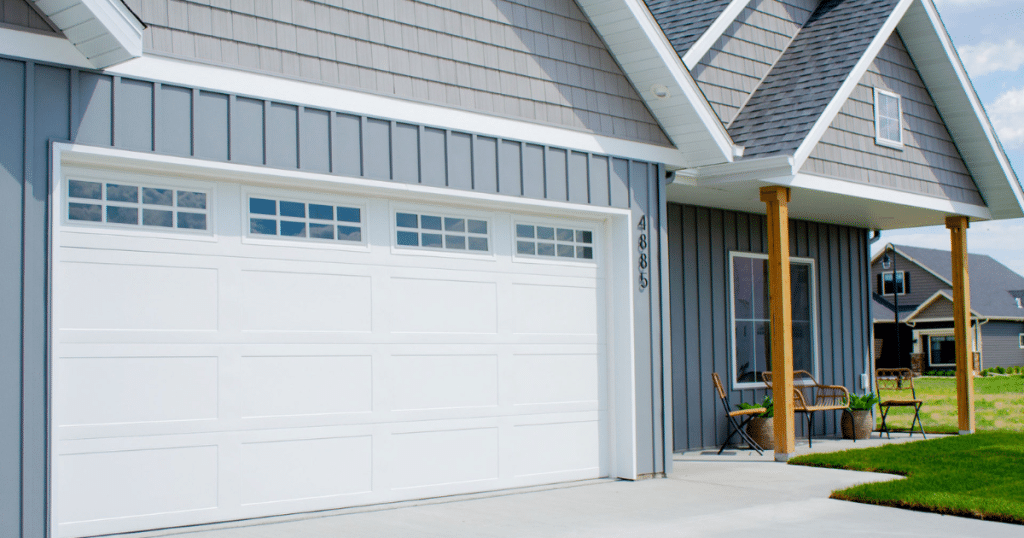
A garage door does more than just close off your space. It also adds style and value to your property. Choosing a strong and stylish door design offers lasting benefits, helping your home stand out with a clean, neat look that feels complete and welcoming. Homeowners often choose this door style because it mixes beauty with strength. A garage door recessed panel offers a smooth, classic look that fits many home types. Its design adds a sharp finish that lasts, helping improve both the function and appearance of your garage exterior. Read more to learn easy tips about this popular garage door style. Find out what materials to use, how to care for them, and how to choose, install, and keep them working well. What Is a Garage Door Recessed Panel? A recessed panel garage door has flat sections with sunken rectangles. These shapes don’t stick out like raised panels. Instead, they give the door a clean, smooth look that feels neat and simple. This style fits many homes, like craftsman, colonial, and traditional houses. It gives your garage a classic look without being too fancy. Many homeowners like it because it looks good but isn’t too flashy. The panels have soft framing that adds just the right amount of shape. This small detail adds a nice design to the door that doesn’t stand out too much but still brings charm to the home. The recessed areas also create light shadows, which give the door more depth and appeal. It feels more like part of the house’s design and less like just a regular garage door. Why Homeowners Choose Recessed Panel Garage Doors Recessed panel garage doors are popular for their clean design, classic look, and wide appeal among many homeowners today. 1. Timeless Look Recessed panel garage doors have a classic look that stays in style. Whether your home is new or older, this door design fits right in. Its simple, traditional style makes it a smart long-term choice that always looks clean and well-matched with any exterior. 2. Matches Many Homes These garage doors work great with a variety of home designs, like colonial, craftsman, or modern. The clean panels don’t clash with other features, so it’s easier to plan your look. This makes recessed panels a flexible choice for remodels, upgrades, or building a brand-new home. 3. Low Maintenance Recessed panel garage doors made from strong materials like steel or fiberglass are easy to maintain. The flat surface is easy to wipe down, and dirt doesn’t stick as much. They’re perfect for homeowners who want low-hassle upkeep and lasting durability. 4. Better Curb Appeal Upgrading to a recessed panel garage door instantly improves your home’s appearance. Its clean, classic lines add charm without being too bold. This small update can make a big difference, especially if you’re thinking about selling your home in the future. Materials That Work Best with Recessed Panels The material you choose affects your garage door recessed panel’s look, durability, and lifespan. Here are the most popular options. Steel Steel is a durable and popular material for recessed panel garage doors. It doesn’t bend, crack, or get damaged by weather easily. Some steel doors have a special finish that looks like wood. This gives you a classic style without requiring frequent cleaning or repairs. Wood Wood garage doors add a warm, natural look to your home. Types like cedar, mahogany, or redwood give a rich feel. But wood needs care. You’ll need to paint or seal it regularly to protect it from rain, bugs, and everyday wear and tear. Fiberglass Fiberglass garage doors are light and easy to handle. They don’t rust or rot and can last a long time. Some fiberglass doors are made to look like wood. This makes them an excellent choice for anyone who wants a wood style without the hard work. Aluminum Aluminum garage doors are lightweight and rust-resistant, which is perfect for wet or coastal areas. While not as strong as steel, new aluminum doors can keep your garage warm and look stylish. They’re easy to take care of and work well in many home styles. Vinyl Vinyl is a good choice if you want a door that’s strong and easy to keep clean. It doesn’t dent or scratch easily, which is great for homes with kids or pets. Vinyl garage doors stay looking good with minimal effort. Garage Door Insulation for Better Energy Efficiency Insulated recessed panel garage doors offer more than style. They offer real benefits that enhance comfort, reduce costs, and provide long-term value. Better temperature control: Keeps garage warmer in winter and cooler in summer. Energy savings: Helps lower heating and cooling bills. Noise reduction: Blocks outside noise for a quieter home. Increased durability: Resists dents, warping, and daily wear. Great for attached garages: Prevents drafts in nearby living spaces. How to Customize Your Garage Door for a Perfect Home Look A recessed garage door design has a clean look, but you can customize it with windows, colors, and decorative hardware. Windows: Adds natural light and boosts curb appeal Choose clear, frosted, or decorative glass Options available for privacy or style Color Finishes: Match your door to trim, siding, or shutters Custom colors offered by most brands Popular choices include white, black, brown, and wood-tone Decorative Hardware: Add faux hinges, handles, or latches Creates a carriage-house look Stylish add-ons that don’t affect function How to Install a Garage Door That Lasts Installing a recessed panel garage door the right way ensures smooth operation, longer life, and fewer repairs down the road. Here are the top tips: Start with Precise Measurements: Measure the width, height, headroom, and side clearance of your garage opening accurately to avoid fit issues during installation. Choose Quality Materials: Select durable materials like insulated steel or wood, based on your climate, style, and maintenance preferences for long-term results. Use a Level Surface: Ensure the floor and mounting surface are level and free of cracks or uneven spots to help
Affordable Long Panel Garage Doors With Windows: 2025 Picks
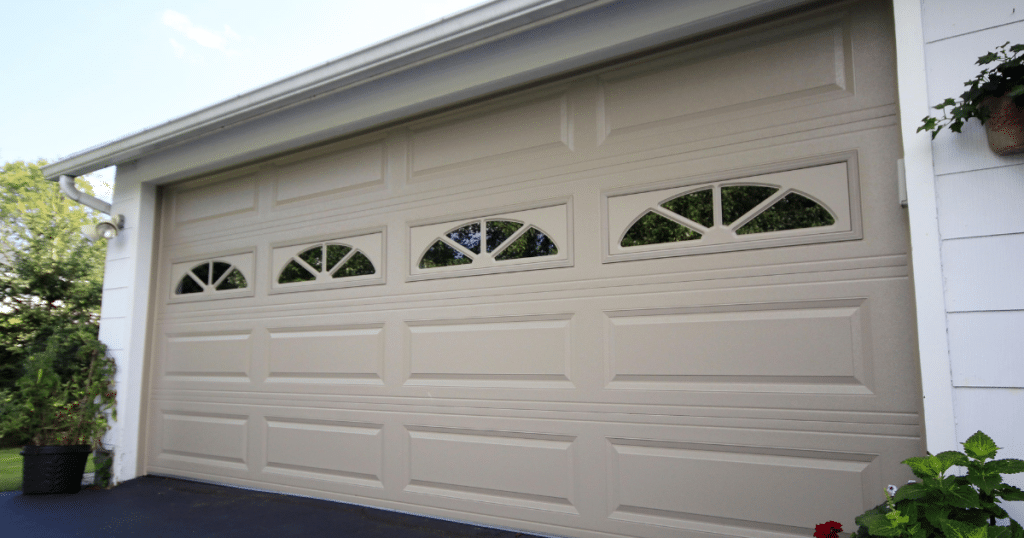
A garage door can enhance the appearance and functionality of your home. Many homeowners want a design that adds curb appeal, brings in sunlight, and stays within budget. A well-chosen door can easily boost both comfort and property value. Modern garage doors with clean lines and window panels are now a favorite choice. They help brighten dark garage spaces and give the front of your home a fresh, stylish appearance without requiring major structural changes. If you’re replacing an old garage door or choosing one for a new home, this guide shares top long panel garage door with windows choices, money-saving tips, and helpful advice to decide what’s best for your home. Why Choose a Long-Panel Garage Door with Windows? A long panel garage door with windows looks nice and works well for everyday use. Here’s why they’re a great investment: Enhanced Curb Appeal: The sleek, horizontal panels create a contemporary look, while the windows add a touch of sophistication. Natural Light: Windows reduce the need for artificial lighting during the day, saving energy. Durability: Modern materials like steel and fiberglass ensure long-lasting performance. Increased Home Value: A stylish garage door can boost your property’s resale value. With 2025 trends leaning toward minimalist garage door designs and energy efficiency, these doors are more popular than ever. Top Materials for Long Panel Garage Doors With Windows Choosing the right material for your long panel garage door with windows helps boost both curb appeal and long-term durability. 1. Steel Steel is a top choice for long-panel garage doors with windows. It’s tough, budget-friendly, and holds up well in any weather. New models often include insulation, which helps lower energy bills and keeps the space more comfortable throughout the year. 2. Aluminum Aluminum doors are great for modern homes. They’re lightweight, strong, and rustproof, making them ideal for coastal or humid areas. Many come with tempered glass windows for safety and style. Though slightly more expensive than steel, they offer a clean, high-end finish. 3. Fiberglass Fiberglass looks like real wood without the high maintenance. It doesn’t rot, warp, or crack easily, which is helpful in humid places. Some models include stylish window inserts, adding charm while keeping the door low-maintenance and long-lasting. 4. Wood Wood doors bring a classic, natural look to any home. They can be shaped or painted in many ways to match your style. Although they need more care than steel or fiberglass, their classic design and custom feel make them a popular choice. Design Trends for Long Panel Garage Doors With Windows Enhancing your home’s exterior becomes easier with these 2025 design trends for long panel garage doors with windows, combining style and function. 1. Black Frames and Clear Glass Black frames with clear glass are a top trend for 2025 garage doors. They stand out on light doors and add a sleek, modern style. Clear glass also lets in plenty of natural light while keeping the outside view sharp. 2. Frosted or Textured Glass This type of glass offers privacy without blocking out sunlight. It’s perfect if you use your garage as a workspace or simply want added style. This type of glass softens sunlight and stops people from seeing inside without blocking brightness. 3. Minimalist Hardware Many homeowners now want garage doors with simple, clean hardware. Hidden hinges and no handles give the door a seamless appearance. This modern design keeps the focus on the long panels and windows, helping the door blend in with newer home styles. 4. Mixed Materials Mixing materials like steel and wood creates a cool, custom look. A steel garage door with wood-framed windows adds warmth and charm. This mix also provides strength from the metal and a natural, cozy feel from the wood, making it perfect for stylish homes. How to Save Money on Your Garage Door Purchase A long panel garage door with windows doesn’t have to break the bank. Here’s how to stay within budget: Choose Standard Sizes: Custom sizes cost more, so stick to standard dimensions if possible. Opt for Partial Window Inserts: Instead of full-length windows, select smaller inserts to reduce costs. Look for Seasonal Discounts: Many manufacturers offer promotions in late winter and early fall. Consider DIY Installation: If you’re handy, self-installation can save labor costs (though professional installation is recommended for precision). Affordable Long Panel Garage Doors With Windows in 2025 Looking for stylish and durable garage doors? Here are the best long panel garage doors with windows available from trusted manufacturers like Clopay: 1. Steel Long Panel Door with Clear Windows This steel garage door features long panels and clear glass windows that let in light and give it a modern look. It’s durable, energy-efficient, and low-maintenance for everyday use. A good choice if you want a clean style and better curb appeal for your home. 2. Insulated Long Panel Door with Frosted Windows This insulated long panel door features frosted glass that allows light to enter while maintaining privacy. It’s a wise choice for garages used as offices, gyms, or workspaces, offering warmth, quiet, and a clean look that fits your daily needs. 3. Traditional Long Panel Door with Arched Windows Classic charm meets functionality with this long panel garage door, featuring raised sections and arched windows at the top. It complements colonial or traditional-style homes, adding a warm, timeless feel to your exterior while enhancing curb appeal and property value. 4. Carriage House Long Panel Door with Crossbuck Design This carriage house garage door has cross-patterned panels and top windows, adding a rustic touch. It’s great for farmhouse-style homes, blending classic charm with daily function. A bold design that brings warmth, style, and reliable use to your garage. 5. Contemporary Flush Long Panel Door with Tinted Windows Minimalist and stylish, this door uses smooth long panels combined with dark-tinted windows for a bold, modern look. It complements sleek home designs and adds both privacy and contrast to your exterior while keeping your garage functional and secure. 6. Raised Long Panel
Durable Sectional Garage Door Panels for Every Home
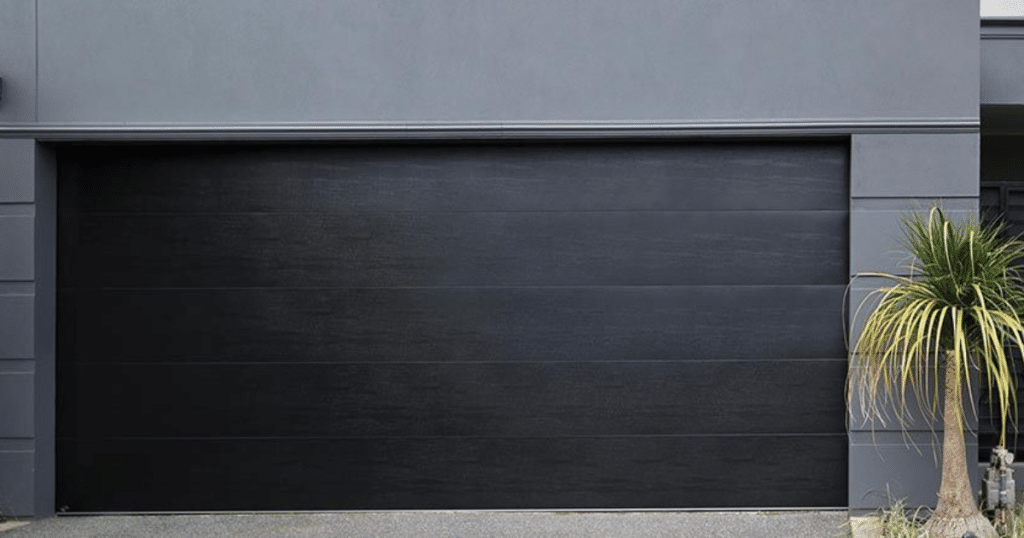
Choosing a high-quality garage door enhances your home’s appearance, increases its security, and ensures smoother operation. A strong design helps protect what matters and adds value to your property with a clean, modern look. Many homeowners prefer garage doors that are easy to use, save space, and last a long time. Whether you are building a house or upgrading an older one, a better garage door can make everyday life easier. Sectional garage door panels are known for their strength, clean style, and smooth use. They work well in most homes and are made to handle daily wear while keeping the garage sealed and secure. This guide will help you understand how they work, what materials are best, and how to care for them. It also explains how to pick the right panel to match your home and budget. What Are Sectional Garage Door Panels? Sectional garage doors are made of panels connected by hinges. These panels slide up along tracks and lay flat above the garage when open. Because they move straight up, they save space and work well for homes with small driveways or limited front areas. These doors are made from strong materials like steel, wood, aluminum, or fiberglass. If one panel breaks, you can replace just that section instead of buying a whole new door. This makes repairs more affordable and helps the door last longer with lower maintenance costs. Why Overhead Sectional Doors Are a Great Choice Many homeowners prefer panel-style garage doors because they combine functionality, style, and convenience. These doors are designed to work well with different home layouts and enhance both the appearance and performance of your garage over time. Built for strength, sectional doors can handle rough weather, daily use, and minor bumps from vehicles or tools. If one part gets damaged, you only need to change that single panel, making repairs simple and less expensive. They also create a strong barrier that blocks out moisture, wind, pests, and unwanted sounds. This is especially useful if your garage is used as a workspace, storage area, or extra room for family activities. With many finishes, colors, and styles available, it’s easy to find one that complements your home’s exterior. You get a door that looks great and functions well, giving you long-term value and durability. Benefits of Sectional Garage Door Panels Segmented garage door panels offer many advantages for homeowners looking for durability, convenience, and curb appeal. Here are the top benefits explained clearly: 1. Space Saving Design Panel-style garage doors are ideal for homes with small driveways or tight spaces. These doors slide straight up along the tracks instead of swinging out. This design lets you park close to the garage without blocking it, saving space and keeping things convenient. 2. Strong and Durable Sectional garage doors are made from durable materials like steel and aluminum. They hold up well against daily use, harsh weather, and minor bumps. These panels resist rust, dents, and fading, which helps them last longer and stay looking good without a lot of upkeep. 3. Better Insulation Many sectional doors have insulated panels that help control the temperature inside the garage. This makes the space more comfortable if you use it for hobbies, storage, or even as a gym. Insulation also helps reduce heating and cooling costs throughout the year. 4. Custom Look Options You can choose from different styles, colors, and finishes to match your home. Sectional garage door panels come in both modern and traditional designs with optional features like window inserts and wood-look textures. These choices help improve the look of your home from the outside. 5. Added Home Security Sectional garage doors are built with sturdy materials and secure locking systems. Many models also work with smart home apps for remote access. This keeps your garage more secure and gives you peace of mind, whether you’re home or away. Materials Used in Sectional Garage Door Panels The durability and performance of your garage door largely depend on the material used. Here are the most common options: 1. Steel Steel is a strong and reliable material for sectional garage door panels. It resists warping, dents, and daily wear. Steel doors are affordable and easy to maintain. With protective coatings, they can handle rain, heat, and cold, making them ideal for many home styles. 2. Aluminum Aluminum garage door panels are lightweight and easy to operate. They don’t rust, which makes them perfect for homes in humid or coastal areas. Though not as tough as steel, aluminum offers a clean, modern style that fits well with contemporary or minimalist architecture. 3. Wood Wooden sectional doors bring classic beauty and charm to any home. They can be stained or painted to match your style. However, wood needs regular maintenance to avoid problems like rot, cracks, or termite damage. It’s a great option if you prefer a natural look. 4. Fiberglass Fiberglass garage door panels offer the look of real wood without the heavy maintenance. They’re durable, lightweight, and resistant to rust and salt damage. These features make fiberglass a smart choice for beach homes or areas with changing weather and high moisture levels. How to Choose the Right Segmented Garage Door Panels for Your Home Selecting the perfect garage door involves considering several factors: 1. Climate Conditions The weather in your area matters when choosing garage door panels. Insulated steel or aluminum works well in hot or cold places. For homes in humid or coastal areas, fiberglass or aluminum is better since they resist moisture and salt damage more effectively. 2. Budget Your budget will help guide your choice. Steel garage doors are affordable and low-maintenance. Wood and custom styles cost more and need regular care. When choosing a panel, think about the price and how much it will cost to maintain over time. 3. Aesthetic Preferences Garage door panels should match your home’s design. Aluminum panels have a sleek look, perfect for modern homes. Wood panels give a natural, timeless style that fits
Garage Door Panel Removal: Tools, Tips & Expert Instructions

Your garage door adds safety, style, and everyday convenience to your home. However, over time, dents, rust, or other damage can affect its appearance and performance, causing it to open or close unevenly or make unusual noises. To remove a garage door panel, unplug the opener, release spring pressure, and unbolt the damaged section. Carefully lift it out while keeping nearby panels steady to avoid shifting, cracking, or affecting the overall balance of the door. Knowing how to remove garage door panels properly helps protect your door from additional damage. It also makes repairs easier and saves time by guiding you through each step with clear and simple instructions. Continue reading for tips, safety steps, and clear instructions to remove panels correctly. Fix your garage door and keep it working smoothly without replacing the entire system. When Should You Remove a Garage Door Panel? Before diving into tools and techniques, let’s first understand when it’s necessary to remove a panel. You might consider it if: The panel is bent, cracked, or dented beyond repair. Rust or rot has spread in steel or wooden doors. There’s a visible separation or warping affecting alignment. A vehicle bumped into the door, causing damage to only one or two sections of the door. You want to repaint or restore just one area of the door. Replacing one panel is often more affordable than a complete door replacement, but this depends on the extent of the damage and whether your garage door model is still available. Safety Tips Before Removing Garage Door Panels Removing a garage door panel isn’t like fixing something small. These doors are heavy and use strong springs. One mistake can be risky, so it’s essential to stay cautious, be prepared, and follow safety steps. If your garage door has a motor, unplug it first. This prevents the door from moving while you work. It’s a small step, but it helps keep you safe and makes the job easier. To remove a garage door panel, start with the one that is broken. If it’s low or in the middle, try it yourself. If it’s higher or other parts appear damaged, call a garage door repair expert. Tools You’ll Need to Remove a Garage Door Panel The process requires a few standard tools that most DIYers already have at home. These include: Adjustable wrench or socket set Cordless drill or screwdriver Locking pliers or C-clamps A ladder Work gloves and safety glasses A friend or helper (recommended) It’s always easier and safer to work on large panels with someone assisting you. Most garage door panels are bulky and can shift unexpectedly when unbolted. How to Remove Garage Door Panels Now, let’s get into the actual process. This detailed walkthrough explains how to remove garage door panels carefully and efficiently. 1. Disconnect the Garage Door Opener Pull the red release cord on your automatic garage door to stop the opener. This allows you to lift and lower the door by hand until the damaged panel is easily accessible. Unplug the opener from the wall to turn off the power. This prevents the garage door from opening accidentally and keeps you safe while working on repairs or maintenance. 2. Secure the Garage Door Clamp the garage door track below the panel using C-clamps or locking pliers. This keeps the door steady and stops it from moving while you work on replacing the damaged garage door panel. Always support the door before removing a panel, especially if it’s in the middle. A loose door can shift or fall, making garage door repair unsafe and more difficult to complete. 3. Remove the Hinge Bolts Garage door panels are connected with hinges and bolts. Use a screwdriver or socket wrench to slowly remove the bolts holding the damaged panel to the one above it. Some hinges may hold rollers, so be careful when removing them. Go slowly and keep all parts in a safe place so you can reuse them later. If the panel has support bars or struts, remove those as well. This helps loosen the panel fully, making the repair easier and safer. 4. Detach the Panel from the Track (If Necessary) If the broken panel is at the bottom, you should lift the rollers out of the side track. Open the door a little or tilt the panel gently. Be careful because the rollers sit in metal tracks under pressure. Ask your helper to hold the door steady while you carefully slide the panel out. If it feels stuck, check for any bolts or screws you missed. Don’t force it—pulling too hard can bend the track or make the door uneven. 5. Remove the Damaged Panel After removing the hinges and rollers, the panel should come loose. Lift it out slowly. If it’s large or heavy, have someone help you carry it safely. Place the panel in a safe spot. Be careful of sharp edges or splinters, especially if the door is old or made of wood. Now that the panel is out, you’re halfway done with the repair. Before installing the new panel, take a moment to review a few tips that can make the next steps easier. Expert Tips for Removing Garage Door Panels Removing garage door panels requires some care, the right tools, and a bit of skill. Follow these simple tips to do it safely and efficiently. Document Before You Dismantle Before you start removing any parts from your garage door, take clear photos of how the hinges, bolts, and brackets are set up. These pictures will help guide you when putting the new panel in place. A quick snapshot now can save a lot of trouble later. Use the Right Replacement Panel Make sure the replacement panel matches your garage door’s brand, model, and size exactly. Using the wrong panel can lead to gaps, uneven movement, or jamming. If your door is older or no longer manufactured, it might be better to replace multiple panels or even the entire
