

Choosing the right access control system comes down to matching your property’s needs with the right type of technology, support, and budget. There is no single best option for every business, since the right choice depends on factors like the number of entry points, how often staff changes, and how much the business may grow over time. For property owners in Vallejo, CA, walking through each of these factors before signing a contract helps avoid paying for features that are not needed, or worse, choosing a system that cannot keep up as the business expands.
This guide breaks the decision down into clear steps so you can move forward with confidence. Rather than getting lost in technical specs or sales pitches, working through each step in order makes the entire process feel far more manageable.
Start With Your Property’s Basic Needs
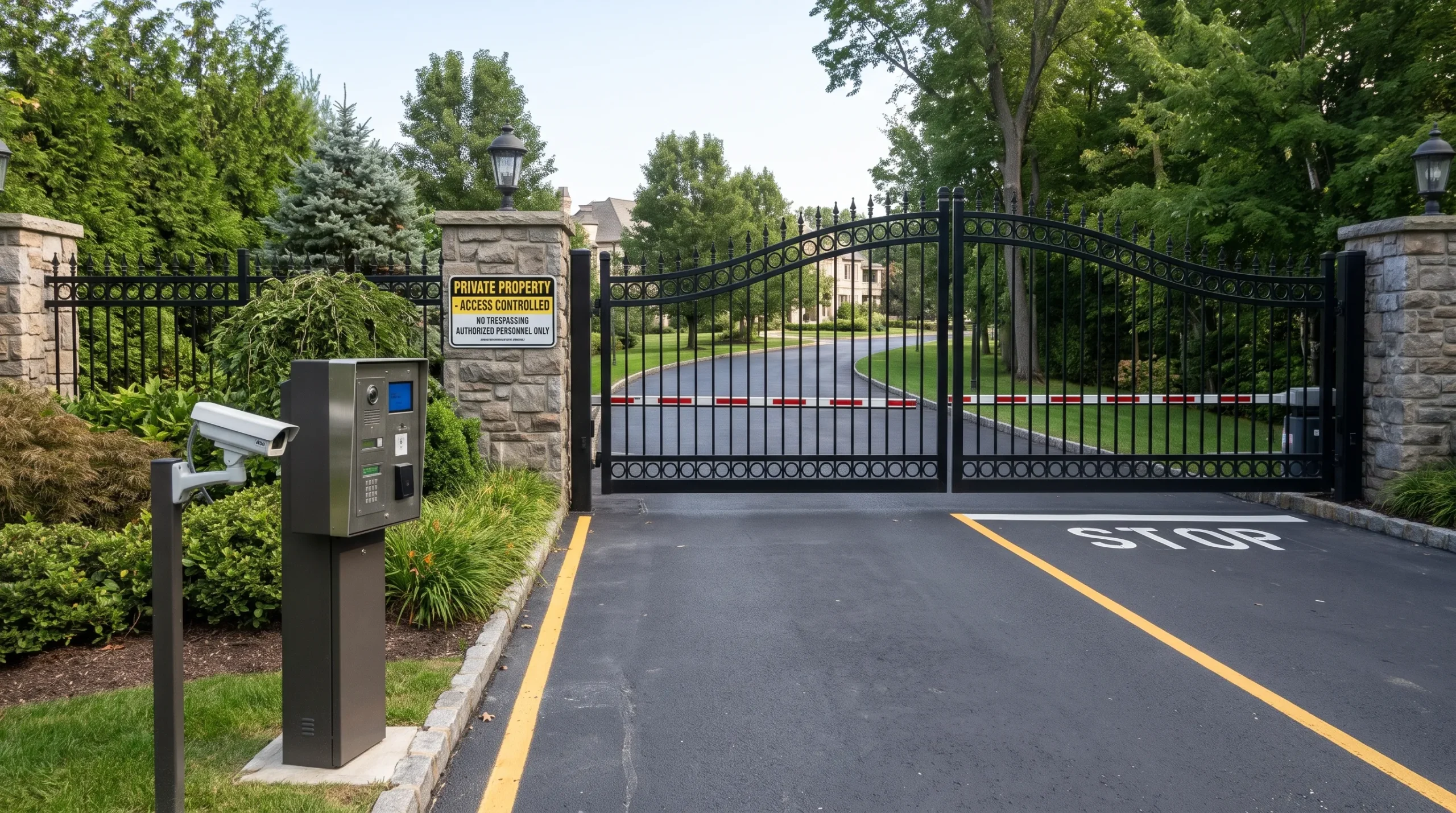
Before comparing brands or technology, it helps to take a clear look at what your property actually requires. Skipping this step is one of the most common reasons businesses end up with a system that does not quite fit. Understanding how access control systems work in general makes this step much easier.
Counting Doors and Entry Points
Every door that needs coverage adds to both the cost and complexity of the system, so this is a useful starting point. Walking the property in person, rather than estimating from memory, usually produces a more accurate count.
- Main entrances used by staff and visitors
- Secondary doors, like loading docks or side entries
- Interior doors that lead to restricted areas
- Gates or parking access points, if applicable
Once every entry point is accounted for, it becomes much easier to estimate the scope and scale of the system you actually need.
Identifying Who Needs Access
Knowing exactly who needs entry, and when, shapes many of the decisions that come later in the process. This step often reveals access needs that owners had not fully considered before.
- Full-time staff who need daily access
- Part-time or seasonal workers with limited hours
- Vendors or contractors who need temporary access
- Visitors who may need short-term credentials
Mapping out each group ahead of time also makes it easier to set realistic permission levels once the system is installed. Our guide on What Is an Access Control System? covers the basics if you need a refresher first.
Match the System Type to Your Business
Once you know your basic needs, the next step is matching those needs to an actual system type rather than choosing based on price or appearance alone. This is the stage where many businesses either set themselves up for long-term success or end up needing an early upgrade.
Reviewing the Main System Categories
Each type of access control system has its own strengths, and understanding them prevents paying for unnecessary features. This step works hand in hand with the property assessment you completed earlier.
- Keypad systems for simple, low-traffic entries
- Card or fob systems for everyday commercial use
- Biometric systems for higher security needs
- Mobile credential systems for modern, flexible access
Matching your property profile to one or more of these categories narrows the field significantly before you start contacting vendors.
Considering Staff Turnover and Visitor Access
How often your team changes plays a bigger role in this decision than many owners expect. Businesses with stable, long-term staff often have very different needs than those with frequent seasonal hiring. Properties that also use commercial garage door services should factor in how often drivers, delivery staff, or seasonal workers need temporary access to those areas as well.
- High-turnover businesses benefit from quick credential changes
- Frequent visitors may need temporary or expiring access
- Stable teams may be fine with simpler credential types
Our guide on What Are The Types Of Access Control Systems? breaks down each category in detail.
Think About Scalability and Growth
A system that works today should also be able to support the business as it grows, rather than becoming a limitation down the road. This is one of the most overlooked factors during the selection process, since most owners focus on current needs rather than future ones.
Planning for Future Locations
If there is any chance the business will expand to a new location, this should factor into the decision now rather than later. Retrofitting a system to support multiple properties after the fact is usually more disruptive than planning for it upfront.
- Cloud-based systems generally scale more easily
- Centralized management saves time across multiple sites
- Some on-premises systems may require separate setups per location
If expansion is even a possibility within the next few years, it is worth discussing this directly with potential providers before making a final decision.
Choosing Cloud-Based vs. On-Premise
This decision affects both day-to-day management and long-term flexibility. There is no universally correct answer here, since the right fit depends entirely on how your business operates.
- Cloud-based systems suit owners who travel or manage remotely
- On-premises systems may suit properties with strict data policies
- Hybrid options exist for businesses with mixed needs
Discussing your daily operations honestly with a provider will usually point you toward the right management style without much guesswork.
Compare Vendors and Installation Support
The system itself matters, but so does the company installing and supporting it. A poor installation can undermine even the best hardware, no matter how advanced the technology behind it may be.
Questions to Ask a Provider
Asking the right questions upfront can prevent frustration after the system is already installed. A reputable installer should be able to answer these clearly without hesitation.
- How long has the company supported access control systems
- What does ongoing maintenance and support look like
- Are backup options available if a credential or sensor fails
A provider who answers these questions clearly and confidently is usually a good sign of reliable long-term support.
Checking Reviews and Local Experience
Checking vendor reviews and ratings before signing a contract is one of the simplest ways to avoid a poor installation experience. A few minutes of research can save a significant amount of frustration later.
- Look for experience with properties similar to yours
- Ask about response times for repair requests
- Confirm whether local support is available if issues come up
Vendors with a strong local track record tend to respond faster when something needs attention, which matters more than it might seem upfront.
Weigh Cost Against Long-Term Value
Cost matters, but the cheapest option upfront is not always the best value once maintenance, scalability, and reliability are factored in. Looking at the full picture, rather than just the initial price tag, leads to better long-term decisions.
Understanding Average Cost Ranges
Pricing varies widely depending on property size, number of doors, and system type, so it is best to request a property-specific estimate rather than rely on a flat number.
- Larger properties with more doors generally cost more
- Biometric and mobile systems may carry a higher upfront cost
- Ongoing software or subscription fees may apply to cloud systems
Asking for a full breakdown of these costs upfront helps avoid surprises once the contract is signed and the system is in place.
Avoiding Common Selection Mistakes
A few common mistakes tend to show up again and again when businesses choose a system in a hurry. Slowing down even slightly during this stage can prevent costly corrections later. Understanding why access control matters in the first place can help avoid these missteps.
- Choosing based on price alone without considering scalability
- Skipping vendor research before signing a contract
- Underestimating how many doors actually need coverage
Our guide on Why Access Control Systems Are Essential For Your Business covers this in more depth.
Make the Right Call for Your Property

Choosing the right access control system does not need to feel overwhelming once you break it down into clear steps. Starting with your property’s basic needs, matching those needs to the right system type, and comparing vendors carefully will put you in a strong position to make a decision that holds up over time and supports the business well into the future.
R&S Erection of Vallejo helps business owners walk through each of these steps to find a system that fits their property today and supports their growth tomorrow. If you are ready to talk through your options, contact us today or give us a call to get started.
Frequently Asked Questions
Is it better to choose a cloud-based or on-premises system?
It depends on how involved you want to be in day-to-day management, since cloud-based systems offer remote access while on-premises systems keep data stored locally.
Should I choose the cheapest access control option available?
Not necessarily, since the cheapest option may lack scalability or reliable support, which can cost more in the long run.
How important is vendor experience when choosing a system?
Vendor experience matters significantly, since proper installation and ongoing support directly affect how well the system performs over time.
Can I switch system types later if my needs change?
Yes, many businesses upgrade their system type as their needs grow, though this may involve replacing some existing hardware. Understanding how traditional locking hardware is built can help you have a more informed conversation with your provider about what is actually being replaced.
What is the biggest mistake businesses make when choosing a system?
The most common mistake is choosing based on price alone without considering how the system will scale or perform over time.
Do I need to know my exact budget before comparing systems?
Having a general budget range helps narrow down options, though final pricing usually depends on a property-specific estimate.
How long does it typically take to choose and install a system?
Timelines vary depending on property size and system complexity, so it is best to discuss a realistic timeline directly with your installer.
Should visitor access be considered when choosing a system?
Yes, if your property regularly has visitors or contractors, choosing a system that supports temporary credentials is an important factor.
What should I ask a provider before signing a contract?
Ask about their experience with similar properties, their maintenance and support process, and what backup options exist if something fails.