

As a general guideline, garage door rollers are often estimated to last around 7 to 10 years for nylon or 3 to 5 years for steel, but age alone isn’t the only signal, and actual lifespan varies based on the specific rollers, bearings, door weight, usage, environment, and maintenance. Noise, visible wear, wobbling, and a door that feels heavier to lift can all show up before that timeline runs out, and waiting too long risks track damage or a door that binds mid-cycle. The seven signs below cover both the age-based guideline and the physical warning signs, so you can catch a failing roller before it turns into a bigger garage door roller repair.
This guide is the master reference for roller lifespan and replacement timing. If you’re troubleshooting a specific symptom in more depth, like noise or a DIY decision, the linked guides throughout point you to the right place.
Key Takeaways
- Nylon rollers are often estimated to last around 7 to 10+ years, and steel rollers around 3 to 5 years, though actual lifespan depends on the specific rollers, door weight, usage, and maintenance.
- The better material for a given door depends on the application, priorities like noise level or load capacity, climate, and budget, rather than one type being universally better than the other.
- Noise, wobbling, and visible cracks can be earlier warning signs than age alone.
- A door that’s harder to lift by hand can mean multiple rollers are wearing at once.
- Rollers that have jumped the track need attention immediately, not on your own schedule.
- Replacing a full set at once keeps wear even across the door going forward, and planning a garage door roller replacement proactively is generally easier and less costly than reacting to a failure mid-cycle.
- Age-based replacement is worth considering even without symptoms, since rollers can wear gradually and quietly.
Age vs. Symptoms: Quick Replacement Guide
| Sign | Replace Now | Monitor | Age-Based Only |
| Grinding, cracking, or wobbling | Yes | No | No |
| Roller jumped the track | Yes | No | No |
| Rust or visible corrosion | Yes | No | No |
| Door feels heavier, no other symptoms | No | Yes | No |
| Occasional squeal, quiets after lubrication | No | Yes | No |
| Rollers over 7-10 years old, no symptoms | No | No | Yes |
1. The Door Makes Noticeable Noise When It Moves
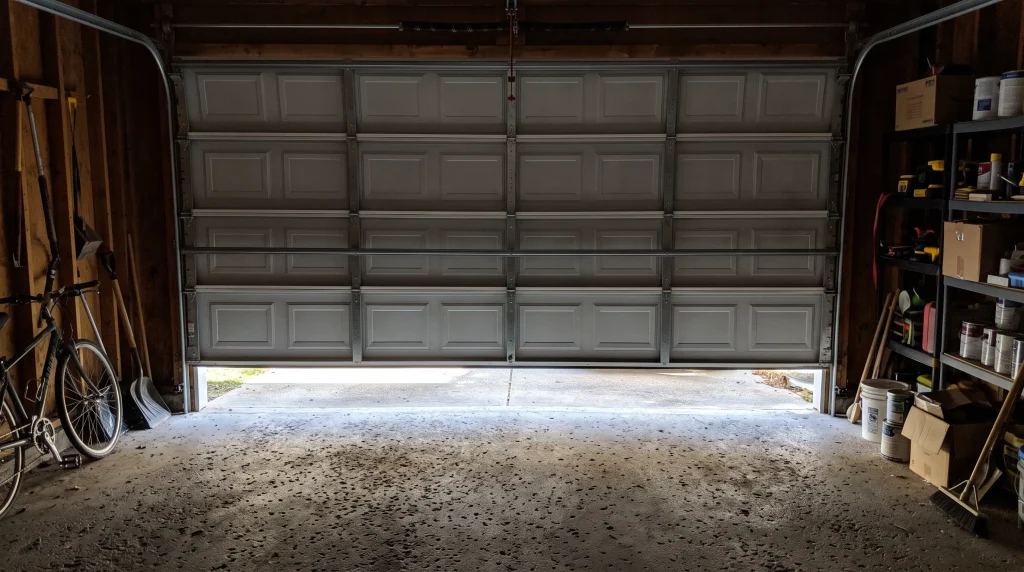
Squealing, grinding, popping, or rattling often traces back to the rollers before anything else on the door, though the track or opener can occasionally be involved too. As general guidance, a dry bearing can cause a squeal, a damaged bearing can cause grinding, and a roller catching on a hinge or bracket can cause a pop or bang as it passes.
- Lubricate first if the sound is a simple squeal. As general guidance, if it returns within days, that can be a sign the roller needs replacing rather than more lubrication.
- Grinding, rattling, or a sound that gets worse over a few days is rarely a lubrication fix.
- Note where on the track the sound happens; a consistent location often points to a specific roller rather than the whole set.
How to Tell Which Roller Is Making Noise
Run the door slowly by hand with the opener disconnected and watch each roller as it passes through the track. The one that hesitates, catches, or visibly wobbles is usually the source.
If you want a full breakdown of exactly which sound means what, our guide on Why Are Garage Door Rollers So Noisy? 5 Causes and Fixes walks through each noise pattern in detail.
2. You Can See Cracks, Chips, or Flat Spots on the Wheel
A roller wheel that’s visibly cracked, chipped, or worn flat on one side is generally due for replacement, regardless of how it sounds. This kind of damage means the wheel can’t distribute weight evenly anymore, which can accelerate wear on the track itself.
- Check each roller by hand, not just the ones that are easy to see, since damage often starts on the top rollers first.
- A flat spot usually means the roller has been sitting in one position for a long time, common in doors that aren’t used often.
- Cracked nylon or pitted steel both generally call for replacement rather than repair.
What a Flat Spot on a Garage Door Roller Means
A flat spot creates a small thump every time it rotates past the flat side, which often shows up as a rhythmic bump you can feel through the door as it moves.
3. A Roller Wobbles or Wiggles on Its Stem
If a roller visibly wiggles side to side while the door is moving, the stem or the bearing inside the roller has likely worn loose. This is one of the more overlooked signs, since the wobble doesn’t always make noise right away.
- Grip the roller gently while the door is stationary and check for play or looseness.
- A wobbly roller under load puts uneven pressure on the hinge bracket, which can loosen the bracket itself over time.
- Consider replacing a wobbling roller before it makes noise, since the wobble itself can already be accelerating wear.
Why a Loose Roller Stem Is an Early Warning Sign
A loose stem can often mean the internal bearing has already started to fail, even if the roller still looks fine from the outside. Catching it here can help you avoid the grinding or popping stage entirely.
4. The Door Has Jumped or Slipped Off the Track
A roller that’s fully or partially off the track is the most urgent sign on this list. A derailed roller can bind the door mid-cycle or, in more serious cases, cause the door to drop unexpectedly.
- Stop using the automatic opener immediately if you notice the door jumping or slipping.
- Don’t attempt to force the roller back into the track yourself if it’s one of the top rollers near the spring system.
- Check the track for bends or shifted brackets, since a derailed roller is often a symptom of a track problem, not just a worn part.
If you’re weighing whether this is a job you can safely tackle yourself, our guide on Can You Replace Garage Door Rollers Yourself? 4 Risks to Know First breaks down exactly where that line sits.
5. The Door Feels Heavier to Open or Close by Hand
Sometimes there’s no obvious noise or visible damage, just a door that feels harder to lift than it used to, or an opener that seems to strain more on every cycle. This pattern usually means several rollers are wearing at once rather than one obvious failure.
- Disconnect the garage door opener and lift the door by hand to feel for uneven resistance across the full range of motion.
- Inspect every roller along both tracks rather than assuming the problem is isolated to one spot.
- If more than two or three rollers show wear, consider replacing the full set together so wear stays even going forward.
Why Multiple Worn Rollers Feel Different Than One Bad Roller
A single bad roller often creates a noticeable point of resistance or noise. Several rollers wearing together tends to feel more like general stiffness, which is easy to attribute to the opener instead of the rollers.
6. You Notice Rust or Corrosion on Steel Rollers
Rust on a steel roller weakens the metal and roughens the surface, which can increase friction against the track and accelerate wear on both the roller and the track finish. This is more common in coastal or humid climates, including much of the Vallejo area.
- Look for surface rust around the wheel and stem, especially on the top rollers, which are harder to see without a ladder.
- Light surface rust can sometimes be cleaned and lubricated, but pitting or flaking rust generally means replacement.
- Nylon rollers don’t face this specific issue, which is one reason they’re sometimes preferred in coastal or humid climates. Steel rollers can still be the better fit in other situations, such as heavier doors or applications where load capacity matters more than corrosion resistance.
Why Steel Rollers Rust Faster in Coastal Climates
Salt air accelerates oxidation on exposed metal, and a garage that isn’t fully sealed from outside air lets that salt air reach the rollers over time, even if the door itself looks fine.
For a full comparison of how each material holds up over time, see our guide on Nylon vs. Steel Garage Door Rollers: Which Lasts Longer? 6 Key Differences.
According to the International Door Association’s care and maintenance guidance, routine visual inspection of hardware, including rollers, is one of the simplest ways homeowners can catch wear before it becomes a larger repair.
7. The Rollers Are Simply Old, Even Without Symptoms
Rollers wear gradually, and a set that’s quietly nearing the end of its lifespan doesn’t always announce itself with noise or visible damage first. Age-based replacement is worth considering on its own schedule rather than waiting for a symptom to appear, though the right timing still depends on the specific rollers and how the door is used.
- Nylon rollers: as a general estimate, plan on considering replacement around the 7 to 10 year mark under typical residential use, though this varies.
- Steel rollers: as a general estimate, plan on considering replacement around the 3 to 5 year mark under similar conditions, though this varies based on load, environment, and maintenance.
- Heavier daily use, more than 5 cycles a day, can shorten either timeline and is worth factoring into your own schedule.
Setting a Roller Replacement Schedule Before Problems Start
Pairing roller replacement with another scheduled service, like an annual door tune-up, is an easy way to stay ahead of age-based wear without needing to track it separately. Per DASMA’s guidance on garage door openers and hardware, routine hardware checks are a recommended part of standard garage door maintenance, not just a response to a problem.
Catching Roller Wear Early Saves the Bigger Repair
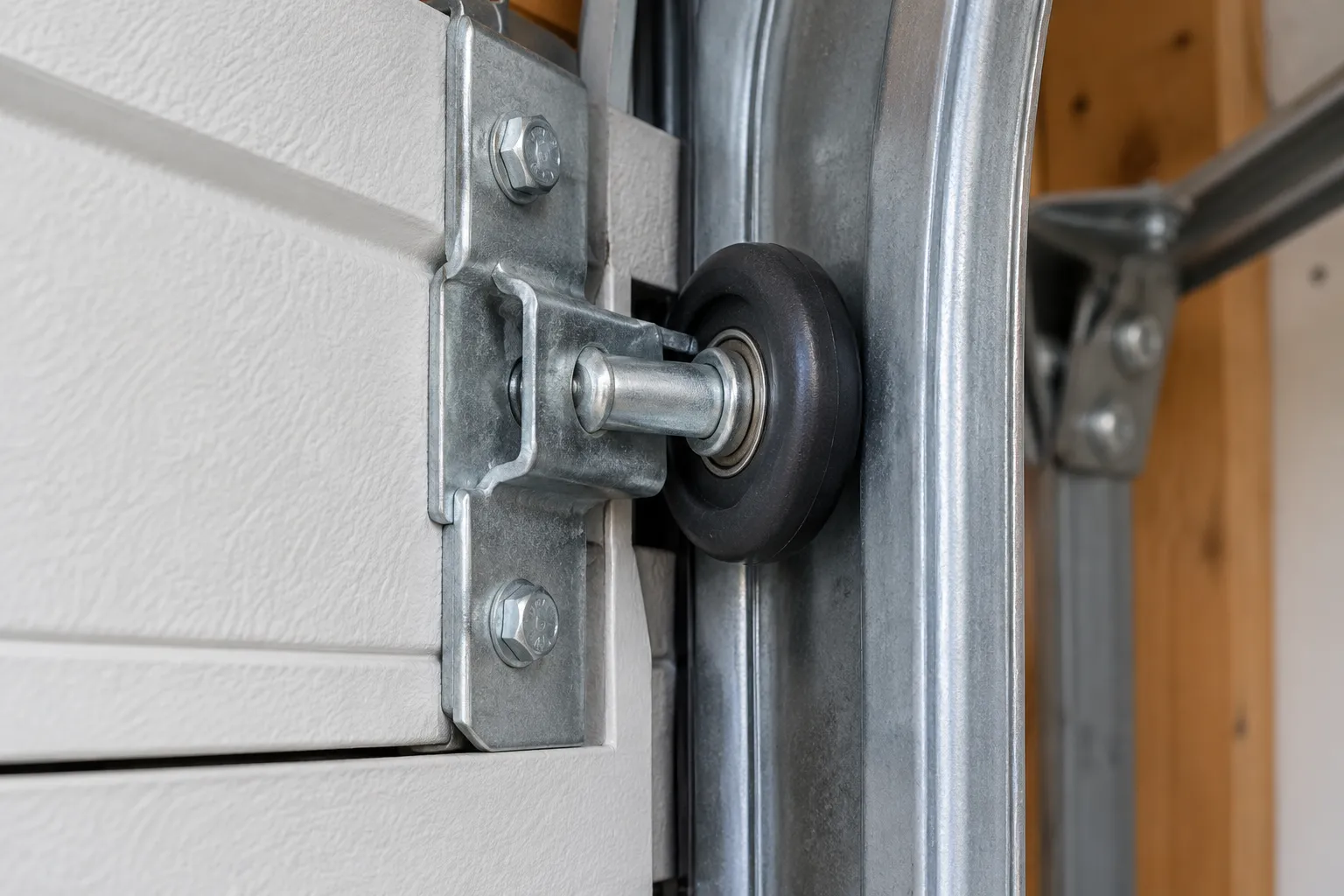
Whether you’re dealing with noise, visible damage, a wobble, or simply rollers that have quietly reached the end of their expected lifespan, catching the issue early is generally the cheaper and simpler path. A worn roller left alone doesn’t stay isolated; it can wear the track, strain the opener, and eventually turn a small fix into a larger one.
R&S Erection of Vallejo works with homeowners across Vallejo who want a clear answer on where their rollers stand before anything fails. Contact us today or give us a call to talk through scheduling and pricing and get ahead of the repair instead of reacting to it.
Frequently Asked Questions
Can I replace just one roller instead of the whole set?
Yes, if only one roller shows wear. But if two or more are worn, we recommend replacing the full set together so the door wears evenly going forward.
Is it normal for rollers to wear unevenly across the door?
Somewhat, since the top rollers near the spring system typically bear more stress and tend to wear first. This is a pattern commonly seen during routine inspections.
How much does it cost to replace garage door rollers?
Costs vary based on how many rollers need replacing, the material chosen, and whether it's paired with other maintenance, generally ranging from an affordable single-roller fix to a moderate cost for a full set. We provide an exact quote after inspection.
Can worn rollers damage other parts of the door?
Yes. Worn rollers put extra strain on the track, hinge brackets, and opener motor over time, so what starts as a small roller issue can lead to a larger repair if it's ignored.
Should I replace rollers before they show any symptoms?
For rollers approaching the general 7 to 10 year estimate (nylon) or 3 to 5 year estimate (steel), it's often worth considering. In our experience, age-based replacement during a routine visit tends to be more cost-effective than an emergency call later, though actual timing depends on the specific door and usage.
Is it safe to inspect my own rollers?
Visual inspection is safe for any homeowner, bottom rollers included. We just recommend leaving anything near the top rollers and spring system to a professional once replacement is actually needed.
How long does professional roller replacement take?
For a full set, replacement time can often range from about an hour to a few hours, depending on the number of rollers and whether the track needs adjustment at the same time. We can give you a more specific estimate after inspecting the door.
Do commercial garage doors need roller replacement more often?
Often yes, since commercial doors cycle far more times per day than residential ones, which can shorten the lifespan of either roller material considerably.
What's the biggest mistake homeowners make with roller maintenance?
In our experience, it's waiting for a symptom instead of scheduling a routine inspection. Rollers wear gradually and quietly, and catching that early is generally the simpler, less costly path.