
Can You Use a Door With a Frayed Garage Door Cable?
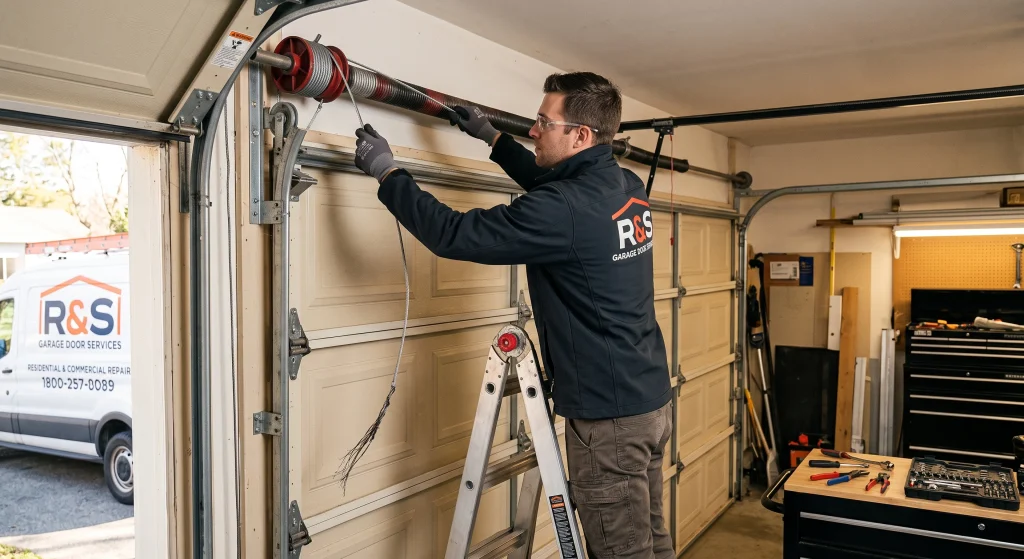
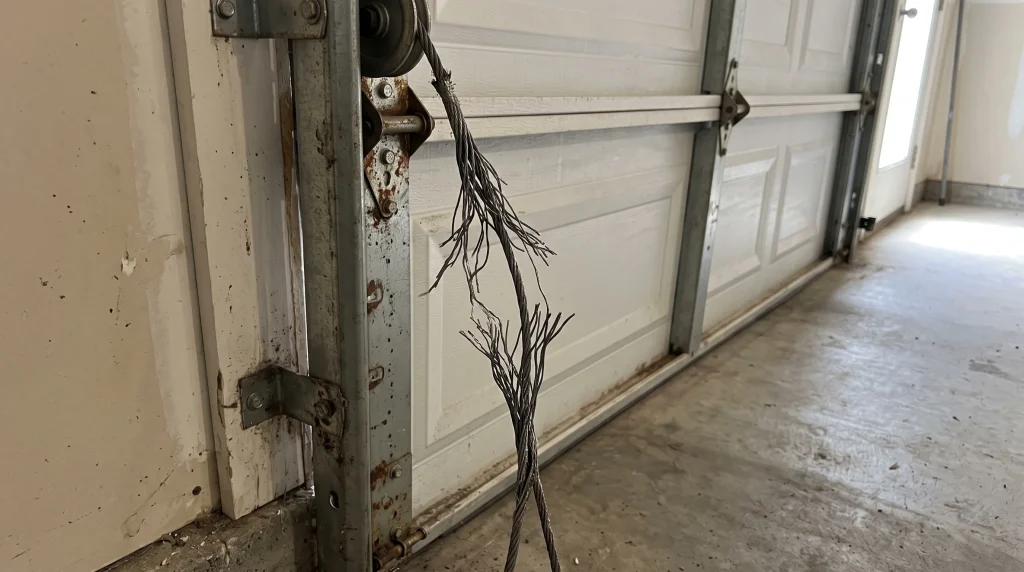
If you’ve ever noticed thin metal strands sticking out near the side of your garage door, you’re not alone. Many homeowners in Vallejo discover a frayed garage door cable while doing yard work, parking the car, or simply taking out the trash. At first glance, it may not seem urgent, especially if the door still opens and closes. But a frayed garage door cable is more than cosmetic wear. It’s a warning sign that a critical safety component is breaking down. As someone who has spent years working around residential garage door systems and providing professional garage door services, I can say this clearly: using a garage door with a frayed cable is risky, even if the door appears to be working normally. Below, we’ll walk through exactly why that is, what homeowners should watch for, and what safe next steps look like without turning this into a DIY repair guide. What a Frayed Garage Door Cable Really Means Garage door cables are part of the lifting system that helps raise and lower the door safely. These steel cables work together with the springs to support the full weight of the door, which can range from 150 to over 300 pounds in many homes. When a cable becomes frayed, it means the individual steel strands inside the cable are starting to fail. This usually happens due to: Long-term wear and tear Rust from moisture or coastal air Friction from misaligned tracks or drums Age-related metal fatigue A frayed cable isn’t “almost broken,” it’s already damaged. The remaining strands are carrying extra load, which increases the chance of sudden failure. For a deeper look at early warning signs, safety risks, and smart next steps, our guide Frayed Garage Door Cable: Signs, Risks, and What to Do explains how this issue develops and why timely attention matters. Is It Safe to Use a Garage Door With a Frayed Cable? The short and honest answer is no. Even if the door still moves, continuing to use it puts stress on an already weakened system. Garage doors don’t usually fail slowly. When a cable finally snaps, it often happens without warning. Homeowners are sometimes surprised when a technician recommends stopping use immediately. The reason is simple: once a cable is frayed, there’s no way to predict when it will break, only that it eventually will. Using the door “just a few more times” can be the difference between a controlled repair and a dangerous situation. To better understand how this type of damage starts and why it worsens over time, our article What Causes a Frayed Garage Door Cable? explains the most common underlying factors homeowners often overlook. Real Risks Homeowners Often Underestimate Frayed garage door cables create risks that aren’t always obvious at first. Over the years, I’ve seen the same problems repeat themselves: The door slams shut suddenly, damaging vehicles or flooring The door becomes crooked, slipping off its tracks One side drops faster than the other, twisting the door panels The opener strains or fails, leading to more costly repairs Serious injury risk to people or pets nearby In Vallejo, many garages are used for more than parkingstorage; workshops, or laundry areas are common. That increases the chance that someone is standing nearby when a cable fails. For a closer look at how these risks can affect both safety and property, our article Is a Frayed Garage Door Cable Dangerous? breaks down the real-world consequences homeowners should be aware of. Signs Your Frayed Cable Is Getting Worse Most garage door cable failures don’t come out of nowhere. Homeowners usually notice warning signs first, including: Loose or hanging cable strands Visible unraveling near the bottom bracket or drum The door opens unevenly or tilts to one side Jerky or shaky movement during operation New grinding, popping, or snapping sounds If you see any of these signs, it’s best to stop using the door until it’s inspected. Why Bay Area and Coastal Conditions Speed Up Cable Damage Vallejo’s location near the water brings mild temperatures, but it also creates conditions that can shorten the lifespan of metal components. Moisture in the air, morning fog, and salt exposure can accelerate rust formation on garage door cables. Even galvanized steel isn’t immune over time. Older homes in Vallejo may also have original hardware that wasn’t designed to withstand decades of environmental exposure. This is why cable issues tend to appear earlier here compared to drier inland areas. What NOT to Do When You See a Frayed Cable When homeowners spot cable damage, their first instinct is often to “help” the door. Unfortunately, some common reactions make the situation worse. Avoid these actions: Do not keep testing the door to see if it still works Do not pull the emergency release cord, which can cause the door to drop Do not attempt to manually lift the door Do not lubricate frayed cables, as this does not restore strength Garage door cables are under extreme tension. Handling them without proper tools and training can be dangerous. What You Can Safely Check Without Fixing Anything While repairs should be left to professionals, there are a few safe observations homeowners can make: Look at both cables from a distance. Do they appear even? Check if the door sits level when closed Listen for new or unusual noises Pay attention to changes in how the door moves These checks help you communicate the problem clearly when scheduling service, but they are not a substitute for repair. How Professionals Typically Address a Frayed Cable When a garage door cable is frayed, replacement, not patching, is the standard solution. In most cases, professionals will: Replace both cables to keep tension balanced Inspect the springs, drums, and tracks Rebalance the door system Test the opener’s force and safety settings This approach prevents repeat issues and reduces strain on other components, including garage door openers. For most residential doors, cable replacement falls into a moderate, predictable cost range, especially when addressed early before
Is a Frayed Garage Door Cable Dangerous?
Your garage door is essential for the security and comfort of your home. If you live in Vallejo, you use your garage door every day. However, there may be times during the day when it stops working as it should. Normal use and time can cause many common garage door issues. You may hear unusual sounds or notice that the door does not open or close properly. Knowing the most usual problems lets you spot them fast. This way, you know when it is time to call for garage door experts. In this guide, we will outline the primary garage door problems people encounter and provide guidance on how to address them. Top 9 Common Garage Door Problems Vallejo Homeowners Face Most people with a garage at home will encounter garage door problems at some point. These problems can be simple, like something small needing a quick fix. Alternatively, the matter might be more complex to resolve, and you may need professional assistance. A garage door opener that doesn’t work properly or a broken garage door spring can disrupt your daily routine. It can also make your house feel less safe. Recognizing the signs of these common problems is the first step in addressing them. If your door will not move or is making too much noise, knowing what could be wrong helps you know what to do next. Let’s examine the most common problems and the steps you can take to address them. 1. Broken Garage Door Springs One of the most significant and potentially hazardous issues with a garage door is a broken garage door spring. A garage door must withstand a significant amount of weight, and over time, it can weaken due to rust and metal wear. If the spring breaks, you may hear a loud bang from your garage. You can tell there is a broken spring in the garage door if it feels too heavy when you try to lift it by hand. Another sign is when the door only goes up a little and then falls back down. In Vallejo, if you have a garage door problem, such as a broken spring, a professional can often fix it on the same day. This depends on having the right parts and finding a time that works for both parties. The garage door is really hard to lift by hand. The door opens a bit, but then it closes quickly. You can see a clear space in the spring. Because the garage door spring holds a significant amount of tension, it is recommended that you not attempt to replace it yourself. A professional garage door repair service should perform this type of garage door repair. The individual performing this task possesses the necessary expertise to do the job safely. If you attempt to repair the garage door spring yourself, you may cause further harm or damage the garage door. 2. Worn or Damaged Rollers Worn or broken rollers can make your garage door hard to use. They may cause your overhead door to move roughly or make noise. The rollers help your garage door move up and down smoothly. If these rollers get damaged, you may need more expensive garage door service. Doing regular maintenance and keeping the rollers oiled helps them last longer. You can reduce costly repairs by checking them regularly. It is smart to spot roller problems early. This makes your garage door work better and saves you trouble. If you notice any issues with your garage door, consider seeking help from a garage door repair company in your area. A garage door repair company can fix the problem and make your overhead door work smoothly again. You want to feel safe and get reliable operation. Here is a detailed insight from us: Finding the Best Garage Door Repair Company in Vallejo, CA. 3. Misaligned or Bent Tracks Bent or misaligned tracks are a common issue that can significantly impact the performance and safety of your garage door. When the tracks are not properly aligned, the door may become stuck, move unevenly, or even come off its tracks entirely. This not only puts extra strain on the garage door opener and other mechanical components but also increases the risk of accidents or injuries. Regular inspections are crucial in detecting track problems early. During these checks, professionals look for signs of wear such as dents, rust, gaps between the rollers and rails, or areas where the track is pulling away from the wall. Early detection allows for straightforward repairs, such as realigning or replacing damaged sections, before more complex—and costly—issues arise. In addition to safety concerns, ignoring track issues can lead to higher repair bills down the line. Misaligned tracks may cause additional damage to rollers, cables, and springs over time. Keeping up with routine maintenance ensures smoother operation, prolongs the lifespan of your entire garage door system, and preserves your investment in your home. For residents in Vallejo experiencing garage door malfunctions due to track problems or any other issue, it’s advisable to contact a local professional repair service promptly. Reputable companies in Vallejo offer comprehensive solutions, including inspection, realignment, lubrication, and replacement of worn parts. These experts can not only resolve current issues but also guide preventive care to minimize future breakdowns. By prioritizing regular maintenance and promptly addressing bent or misaligned tracks, you help ensure that your garage door remains reliable, efficient, and safe for years to come. 4. Unresponsive Garage Door Opener Garage door openers play a crucial role in the garage door system. These openers help your garage door operate smoothly, whether you have residential or commercial garage doors. Sometimes, the garage door opener may not work. This problem can be caused by issues with the electricity, dead batteries, or remotes that are not correctly connected. When this happens, it can frustrate you. Performing regular maintenance on your garage door can help prevent these common garage door problems. If you continue to experience trouble, consider contacting a garage
What Causes a Frayed Garage Door Cable?

Garage door cables are one of those parts most homeowners never think about until something goes wrong. A frayed garage door cable can be easy to miss at first, but it often signals deeper wear within the garage door system. In many Vallejo, CA homes, cable damage develops slowly due to age, climate exposure, and everyday use rather than a sudden failure. These steel cables work alongside springs and drums to lift and lower the door safely. When cables begin to fray, the door may still move for a while, but the risk of sudden failure increases over time. Understanding what causes garage door cables to fray, what signs to look for, and how to reduce future damage can help homeowners make informed decisions before safety becomes a concern. This guide explains the most common causes of frayed garage door cables, why the issue matters, and what steps homeowners should take next, including when professional garage door services may be appropriate, without turning it into a DIY repair manual. 1. Normal Wear and Tear Over Time Every garage door cable has a limited lifespan. These cables are under constant tension, supporting the full weight of the garage door every time it opens and closes. Over thousands of cycles, the steel strands slowly weaken. In many Vallejo homes, garage doors are used multiple times each day. That daily motion causes small amounts of friction where the cable winds around the drum. Over time, individual strands can begin to thin, loosen, or break away from the cable bundle. This type of wear usually happens gradually, which is why homeowners often don’t notice it right away. What to check: Thin or uneven sections along the cable Small wire strands sticking out One cable appears more worn than the other How to reduce wear: Limit unnecessary door cycles Schedule periodic inspections as the system ages Normal wear is expected, but catching it early helps prevent larger problems later. For a deeper look at warning signs and next steps, the blog Frayed Garage Door Cable: Signs, Risks, and What to Do offers helpful insight for homeowners. 2. Rust and Corrosion from Moisture Exposure Vallejo’s coastal location plays a major role in garage door cable damage. Moist air, fog, and seasonal rain create conditions that encourage rust and corrosion on metal components. Garage door cables often sit near the floor or against exterior-facing walls, where moisture levels tend to be higher. Rust weakens steel from the inside, making cables more likely to fray even if they look mostly intact from a distance. Corrosion is especially common near the cable ends and where the cable wraps tightly around the drum. What to check: Orange or brown discoloration Rough or pitted cable surfaces Stiff sections that no longer move smoothly Prevention tips: Keep the garage dry and well-ventilated Address water leaks or poor door seals promptly Moisture-related corrosion is one of the most common causes of premature cable damage in coastal California communities. For a closer look at the safety concerns this kind of damage can create, see Is a Frayed Garage Door Cable Dangerous? 3. Misaligned or Worn Cable Drums Cable drums guide the garage door cables as the door moves. When drums are worn or misaligned, the cable may no longer sit properly in the drum grooves. Instead of winding smoothly, the cable can rub against the drum edge or overlap unevenly. This added friction causes certain sections of the cable to wear much faster than others, leading to fraying. Often, homeowners notice that one side of the door lifts unevenly before realizing there’s cable damage. What to check: Cables slipping out of the drum grooves Uneven lifting or tilting of the door Fraying concentrated near the drum Prevention tips: Address uneven door movement early Have alignment checked during routine service Drum-related wear is rarely visible from the outside, which is why professional inspections are important. If you’re unsure whether continued operation is safe, the blog Can You Use a Door With a Frayed Garage Door Cable? explores this question in more detail. 4. Improper Cable Tension Garage door cables rely on balanced tension to operate correctly. If tension is too high or too low, stress shifts unevenly across the cable strands. Over-tension pulls the cable tighter than intended, increasing friction and strain. Under-tension allows slack, which can cause the cable to jump or rub during movement. Both conditions accelerate fraying. Improper tension often develops after partial repairs or adjustments that don’t fully restore system balance. What to check: Jerky or uneven door movement Slack in one cable while the other appears tight Noisy operation during lifting Prevention tips: Avoid adjusting spring systems without training Address balance issues before visible damage appears Tension problems often affect multiple components, not just the cables. 5. Failing or Unbalanced Springs Springs and cables work together to lift the garage door safely. When springs begin to wear out or lose strength, cables are forced to handle more load than they were designed for. This extra strain causes cable strands to stretch, thin, and eventually fray. In many cases, cable damage is actually a warning sign that the spring system is nearing the end of its lifespan. Homeowners may notice the door feels heavier or moves more slowly before cable damage becomes visible. What to check: Increased resistance when lifting the door manually Loud noises from the spring area Fraying appears shortly after spring issues Prevention tips: Inspect springs before they fully fail Treat cable damage as a system-wide issue Replacing cables without addressing worn springs often leads to repeated problems. 6. Poor Installation or Incorrect Cable Type Garage door cables are not universal. Each door system requires a specific cable length, thickness, and routing based on door size and weight. When incorrect cables are installedor routed improperly, they may rub against brackets, tracks, or other hardware. This constant contact wears away at the cable strands. Improper installation is more common in older homes or systems that have been
Frayed Garage Door Cable: Signs, Risks, and What to Do
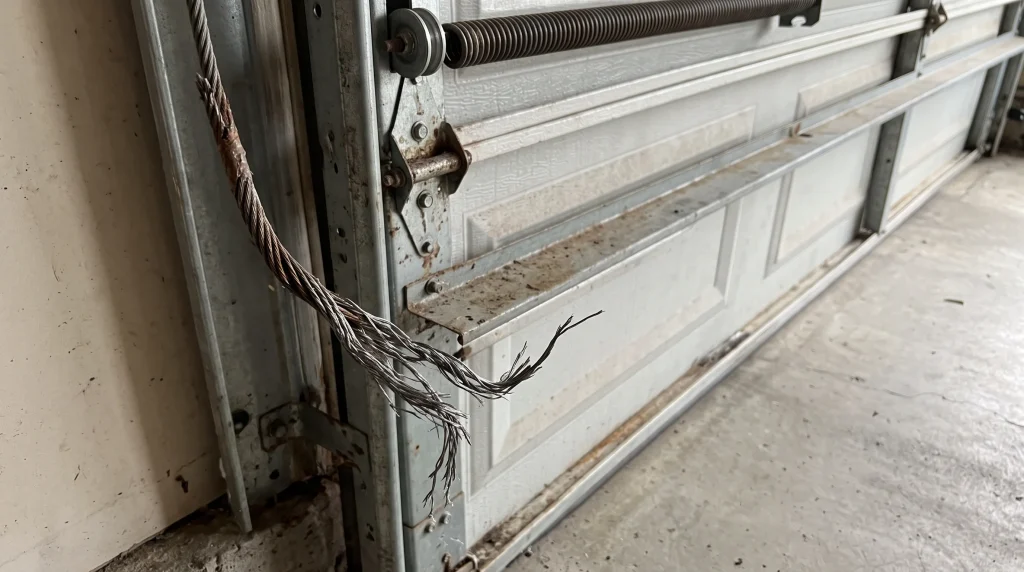
Garage door problems don’t always start with loud bangs or total failure. In many homes, especially in places like Vallejo, issues develop slowly due to daily use, weather exposure, and normal wear. One of the most overlooked problems is a frayed garage door cable. Garage door cables do a heavy job. They help lift and lower a door that can weigh hundreds of pounds. When cables begin to fray, the door may still work for a while. That’s why many homeowners don’t notice the problem until it becomes serious. From years in the garage door industry, it’s common to see cable damage that could have been addressed earlier with a simple inspection. This guide explains how to recognize frayed garage door cables, why they’re dangerous, and what steps to take next. It’s written to be clear, practical, and easy to understand, without pushing DIY repairs or technical shortcuts or promoting specific garage door services. Knowing what’s happening with your garage door helps you make safer, smarter decisions. What Is a Garage Door Cable and Why Does It Matter? Garage door cables are thick steel wires that run along the sides of the door. They wrap around drums near the top of the door and work together with the springs to lift and lower the door smoothly. Without these cables, the springs alone cannot safely control the door’s movement. The cables keep the door balanced, guide it straight, and prevent sudden drops. Even a small amount of damage can affect how the door moves. From real-world experience, cable problems rarely happen overnight. Most fraying develops over months or years due to stress, moisture, or misalignment. That’s why understanding their role is important. When cables fail, the entire system is at risk. For a deeper look into why this damage occurs, you may also find our blog What Causes a Frayed Garage Door Cable? helpful. 9 Clear Signs of a Frayed Garage Door Cable 1. Visible Fraying or Broken Cable Strands One of the most obvious signs is seeing loose steel strands sticking out of the cable. This often appears near the bottom bracket or close to the drum at the top. Even one or two broken strands mean the cable is weakening. Steel cables are made of many small wires twisted together. When some break, the remaining strands must carry more weight, increasing the chance of sudden failure. 2. Garage Door Lifts Unevenly If one side of the garage door rises faster than the other, cable tension is likely uneven. This usually means one cable is damaged or stretched more than the other. Uneven lifting puts extra strain on the opener and tracks. Over time, this can cause additional damage beyond the cable itself. 3. Door Jerks or Shudders During Operation A smooth garage door should move steadily. If the door jerks, shakes, or hesitates, the cable may be catching on the drum due to fraying. Many homeowners think this is an opener issue, but in practice, cables are often the real cause. 4. Loose or Slack Cable on One Side Cables should remain tight when the door is closed. A loose or hanging cable on one side is a strong warning sign. Slack cables mean the door is no longer balanced. This condition can quickly lead to the door coming off track or jamming. 5. Grinding or Scraping Noises Frayed cables don’t move smoothly. When they scrape against metal drums or tracks, they create grinding or scraping sounds. These noises usually worsen over time and should never be ignored. 6. Garage Door Won’t Fully Open or Close Damaged cables can prevent the door from traveling its full distance. The opener may stop early or reverse unexpectedly. Forcing the door to move past this point can make the damage worse and increase safety risks. 7. Door Feels Heavier Than Usual If the door feels harder to lift manually, the cables may no longer be sharing the load properly with the springs. This added strain often leads to spring wear and opener stress. 8. Rust or Corrosion on Cables In areas near the coast, like Vallejo, moisture and salty air can cause rust to form on steel cables. Rust weakens the metal and speeds up fraying, even if the door appears to be working normally. 9. Door Suddenly Slams Shut or Stops Mid-Way This is one of the most dangerous signs. A cable that’s close to snapping can cause the door to drop suddenly or stop without warning. If this happens, stop using the door immediately and keep people clear of the area. Why Frayed Garage Door Cables Are Dangerous Garage door cables are under extreme tension. When they fail, they don’t slowly give way; they snap. A broken cable can cause the door to fall, tilt, or slam shut. From industry experience, most cable-related injuries happen when warning signs are ignored. People assume the door will keep working until it suddenly doesn’t. Frayed cables also affect other parts of the system. Springs, tracks, rollers, and openers all suffer additional stress when cables aren’t doing their job. What starts as a cable issue can quickly turn into a larger safety and repair problem. To better understand the risks involved, our blog Is a Frayed Garage Door Cable Dangerous? offers more detailed insight. What Causes Garage Door Cables to Fray Over Time Several factors contribute to cable wear: Daily use: Each open and close cycle adds stress Moisture exposure: Common in coastal climates Rust and corrosion: Weakens steel strands Poor alignment: Causes uneven wear on one side Aging springs: Transfer extra load to the cables Lack of maintenance: Small issues go unnoticed In real-world conditions, cables rarely reach their maximum lifespan. Environmental exposure and normal use shorten their service life, especially without regular inspections. What to Do If You Notice a Frayed Garage Door Cable If you spot fraying, the safest step is to limit use of the garage door. Avoid repeated opening and closing, especially if the door already moves unevenly.
Is Emergency Garage Door Repair a Safety Concern?
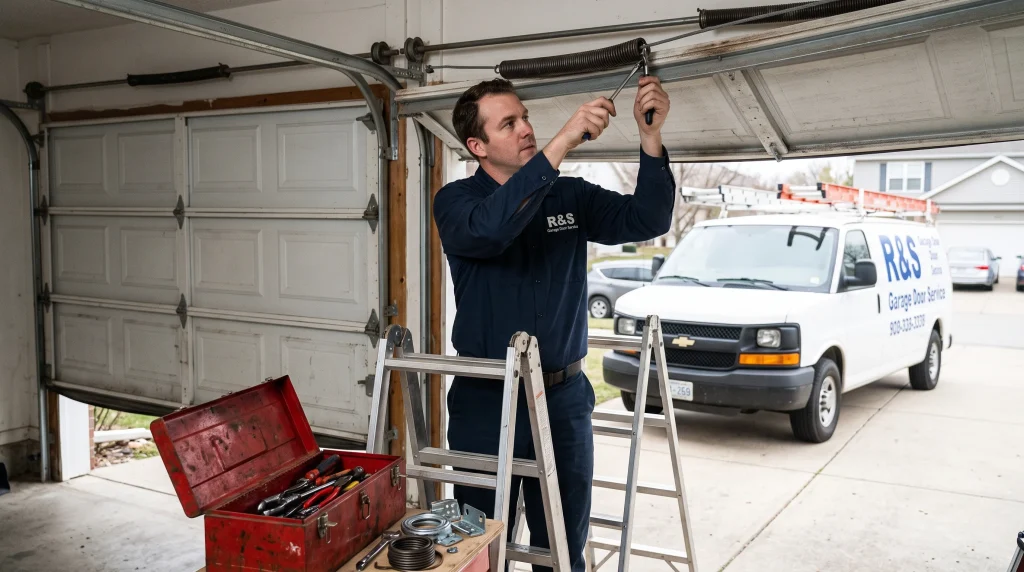
Garage door problems affect more than convenience. When a garage door stops working properly, it can create safety concerns for everyone in the home. Because garage doors are heavy and rely on multiple moving parts, failures caused by wear or damage can quickly become hazardous if not addressed. Garage Door Failures Can Create Serious Safety Risks Heavy Garage Doors Increase the Risk of Injury During Malfunctions Worn or Broken Components Can Cause Sudden Door Failure Garage Door Problems Can Reduce Home Security Unaddressed Issues Can Escalate Into Larger Safety Concerns Taking garage door problems seriously helps reduce the chance of injury and security issues. Prompt attention through 24-hour emergency garage door repair supports safer operation, limits further damage, and helps maintain a secure and reliable garage door system for daily use. Major Safety Risks Associated With Emergency Garage Door Issues Garage door problems that require emergency garage door repair can quickly turn into serious safety concerns. A door that is stuck open, off track, or moving unpredictably creates immediate risks for people, vehicles, and property, as system failures can cause sudden drops, unstable panels, or loss of controlled operation. At the same time, a garage door that cannot close properly weakens home security and exposes the interior to unauthorized access and weather-related damage. Addressing these issues promptly helps restore safe operation, reestablish security, and reduce the risk of injury or further complications. For a deeper look at identifying urgent warning signs, explore our related blog, When Is Emergency Garage Door Repair Necessary? Uncontrolled Door Movement and Sudden System Failure When a garage door system begins to fail, one of the most serious concerns is losing control over how the door moves. Because garage doors rely on tensioned components to stay balanced, failures can cause sudden and dangerous changes in movement. Loss of controlled motion can cause the door to drop or shift unexpectedly Broken springs or cables may turn the door into an unstable falling hazard Doors stuck in a raised or partially open position remain under constant strain Irregular or uneven movement indicates critical system instability Unpredictable door movement increases the risk of injury and property damage. When control is lost, the garage door can no longer be relied on to operate safely. Structural Instability Caused by Impact or Component Damage The structural integrity of a garage door plays a major role in maintaining safe operation. Impact damage or worn components can weaken the system and interfere with proper alignment. Bent tracks or damaged rollers disrupt balanced movement Off-track doors create unstable hanging or leaning conditions Damaged panels reduce overall system strength Misalignment increases strain on surrounding components When structural stability is compromised, normal operation becomes unsafe. Even minor damage can escalate into a serious safety concern if the door is forced to move. Safety Hazards Created by Electrical or Mechanical Malfunctions Electrical and mechanical problems can cause a garage door to behave in unpredictable ways. Because the opener controls movement and safety responses, malfunctions can quickly become hazardous. Unexpected door activation can occur without warning Mechanical failure may prevent the door from stopping correctly Electrical issues can disrupt communication between system components Loss of controlled operation increases the chance of forceful movement When these malfunctions occur, the garage door system can no longer provide consistent or safe operation. Residential garage door repair helps restore proper control, supporting a secure and predictable environment for everyday use. Garage Door Spring Failures as a Critical Safety Concern Garage door springs play a critical role in supporting the weight and movement of the entire system, and their failure creates serious safety concerns. Because these springs operate under extreme tension, a break can release stored force and instantly remove the door’s ability to stay balanced, making it difficult or impossible to lift safely. When a spring fails, the garage door loses controlled support, increasing the risk of sudden movement, loss of stability, and potential injury or damage. To learn more about the issues that commonly lead to urgent repairs, read our related blog, What Problems Require Emergency Garage Door Repair? Loss of Counterbalance and Increased Door Weight Risks Garage door springs are responsible for offsetting the heavy weight of the door and allowing smooth, controlled movement. When a spring fails, that balance disappears, and the full weight of the door is no longer supported. The garage door becomes extremely heavy and difficult to lift The opener experiences excessive strain from unsupported door weight A partially open door may drop suddenly without warning Without a proper counterbalance, the garage door becomes unstable and difficult to control, increasing the likelihood of injury or system damage. Sudden Spring Breakage and Resulting Safety Threats Spring breakage often happens abruptly and releases a large amount of stored tension. This sudden failure can immediately turn the garage door into a serious hazard. The release of force can send metal components moving at high speed The door loses its ability to remain safely supported Unbalanced weight increases the risk of sudden door movement After spring break, the garage door can no longer operate safely and should be considered unstable until balance is restored. System Strain Caused by Weakened or Failing Springs Springs often weaken gradually before failing completely, reducing their ability to support the door’s weight. This imbalance forces other parts of the system to compensate. Additional strain is placed on the opener and lifting components Cables, rollers, and panels experience accelerated wear Door movement may become uneven or unpredictable As system strain increases, the risk of unexpected failure grows. Weakened springs reduce overall stability and can contribute to sudden safety-related breakdowns, making residential garage door installation an important consideration when long-term safety and reliability are compromised. Garage Door Opener Problems That Create Safety Hazards The garage door opener controls movement and plays a key role in overall system safety, so malfunctions can quickly become hazardous. When electrical or mechanical issues develop, the door may fail to respond, operate unpredictably, or continue moving when it should stop, increasing the
How Quickly Should Emergency Garage Door Repair Happen?
When a garage door stops working, the impact often goes beyond inconvenience. Garage doors play an important role in home access and security, and sudden failures can interrupt daily routines and create immediate concerns that require attention. A non-functioning garage door can disrupt normal schedules and limit access. A door stuck open can leave belongings exposed to outside risks. A door that will not open may prevent vehicle use or entry. The urgency of repair depends on the type and severity of the problem. Some garage door issues require faster professional response than others. Recognizing time-sensitive situations helps prevent further disruption. Understanding how quickly 24-hour emergency garage door repair should happen helps homeowners respond appropriately when problems arise. Prompt attention during urgent situations supports safer operation, restored access, and improved peace of mind. How Fast Emergency Garage Door Repair Is Typically Required When a garage door problem occurs, timely professional assistance becomes important. Emergency garage door repair services are structured to respond quickly, often within a short timeframe, to reduce disruption and security concerns. This level of responsiveness helps limit downtime for both homes and businesses, restoring safe operation and normal access as soon as possible. For further insight into identifying urgent situations, explore the blog When Is Emergency Garage Door Repair Necessary? Conditions That Make Immediate Garage Door Repair Necessary Some garage door problems require urgent professional attention due to safety or security risks. Immediate repair is often necessary when: The garage door has come off its tracks and appears unstable A loud snapping sound occurs, and the door no longer opens The garage door is stuck fully open and cannot close Significant panel or section damage affects door stability These conditions can make the door unsafe to operate or leave the property exposed. Why Delays in Emergency Garage Door Repair Increase Risk Postponing emergency garage door repair can increase hazards and lead to broader system damage. Delays may result in: Increased security risks when the garage door cannot close Greater strain on functioning components, causing additional failures Escalation of minor damage into more serious mechanical issues Higher likelihood of unsafe door movement or system instability Prompt attention helps limit risk and prevents problems from worsening. Time Sensitivity of Garage Door System Failures The urgency of garage door repair depends on how the failure affects operation and safety. Common system failures vary in urgency: Broken springs that make the door heavy and inoperable Doors off-track that create instability and safety concerns Opener malfunctions that prevent proper opening or closing Panel damage that compromises the structure without stopping the operation Understanding how different failures affect functionality helps explain why some residential garage door repair needs cannot wait. What Influences Emergency Garage Door Repair Response Time The time required for emergency garage door repair depends on the type and severity of the problem. Simple issues may be resolved quickly, while complex failures involving multiple components can take longer. Factors such as how the issue affects access, overall safety, and part availability all influence repair timing. To better understand which situations require urgent attention, read What Problems Require Emergency Garage Door Repair? Severity of the Garage Door Problem The seriousness of a garage door issue determines how urgently repair is needed: Minor operational issues that do not affect safety may allow for delayed attention Broken springs create unsafe conditions and make the door unusable Doors that come off their tracks pose immediate stability risks Frayed cables or severe panel damage increase the chance of sudden failure More severe problems require a faster professional response due to safety and security concerns. Operational Impact on Home Access and Safety Garage door failures can quickly interfere with daily access and household safety: A door stuck open exposes the garage and home entry points A door that will not open can trap vehicles inside Unstable or partially open doors increase the risk of injury Loss of reliable access can disrupt daily routines When normal operation is affected, the need for prompt repair becomes more urgent. Availability of Required Repair Components Repair timing can also depend on whether necessary components are immediately available: Common mechanical parts often allow same-visit repairs Specialized or uncommon components may require additional time Structural damage may need temporary stabilization before full repair Part availability can influence how quickly full operation is restored Component readiness plays a key role in how quickly emergency garage door repair and residential garage door installation can be completed. Emergency Garage Door Issues That Cannot Wait Some garage door problems are too serious to delay and require immediate professional attention. Failures involving critical components can create safety hazards, limit access, or leave the property exposed. Issues that affect door stability, operation, or security should be treated as emergencies to reduce risk and restore safe function as quickly as possible. For a deeper look at how these issues impact safety, explore Is Emergency Garage Door Repair a Safety Concern? Sudden Garage Door Spring Failure Garage door springs are critical for safe and balanced operation. When a spring fails suddenly, the garage door can become difficult or impossible to use and may pose safety risks. A loud snapping sound may indicate that a spring has broken The garage door may become too heavy to lift An open door can drop unexpectedly Normal operation may stop entirely Because springs support the full weight of the door, failures require immediate professional attention to restore safe function. Garage Door Opener Malfunctions Preventing Operation Garage door openers control movement and access. When they malfunction, normal garage door operation can be interrupted without warning. The door may remain stuck open or closed Internal or electrical failures can stop movement Access to vehicles or secured spaces may be limited Automated safety features may no longer function Opener failures that prevent movement often create urgency due to access and security concerns. Structural Panel or Section Damage Garage door panels and sections maintain strength and alignment. Damage to these components can weaken the entire system and affect
What Problems Require Emergency Garage Door Repair?

Your garage door is a critical part of your home’s overall function and security. While some issues may seem minor at first, certain problems can quickly develop into serious concerns if they affect safe operation or access. Understanding when a situation requires immediate attention helps protect both your household and your property. Your garage door plays a key role in home security and daily access. Minor issues like unusual noises or slow movement can signal serious problems. Some garage door issues require immediate attention to prevent safety risks. Problems such as jammed doors, broken springs, or visible damage limit safe use. Emergency garage door repair helps restore proper operation and security. Acting quickly reduces the risk of injury and prevents further system damage. Knowing when to seek urgent repair helps stop small issues from escalating. Recognizing emergency garage door problems early allows issues to be addressed before they worsen. Prompt attention, including 24-hour emergency garage door repair, supports safe operation, protects access to your home, and helps maintain the reliability of the entire garage door system. Mechanical Failures That Require Emergency Garage Door Repair Mechanical issues are a common cause of emergency garage door problems because they affect the parts responsible for lifting and lowering the door. Broken springs or worn cables can cause the door to become unbalanced, move unpredictably, or suddenly drop, creating serious safety concerns. When mechanical failures occur, using the garage door can increase the risk of injury or further damage. Prompt garage door repair helps restore proper function and reduces the dangers associated with high-tension components. For a deeper understanding of urgent garage door situations, explore the blog When Is Emergency Garage Door Repair Necessary?. Broken Garage Door Springs That Cause Sudden Door Failure Garage door springs support the full weight of the door and allow it to open and close smoothly. When a spring breaks, the door can suddenly become unstable or stop working altogether, creating an urgent safety concern. Springs handle the heavy lifting required for garage door movement. A broken spring can cause the door to become extremely heavy or inoperable. Sudden failure may lead to the door dropping without warning. Continued operation can strain other garage door components. Because spring failure affects both safety and access, emergency garage door repair is often required to restore balance and proper operation. Garage Door Cables That Snap or Lose Tension Without Warning Garage door cables work closely with the springs to keep the door balanced as it moves. When a cable snaps or loses tension, the door can quickly become uneven and unsafe to operate. Cables support smooth and controlled door movement. A failed cable can cause the door to tilt or jam. Loss of tension removes support from one side of the door. An unbalanced door may shift or come off its track. Cable failures often escalate quickly, making emergency garage door repair necessary to stabilize the system and prevent further damage. Roller or Track Damage That Prevents Controlled Movement Rollers and tracks guide the garage door along its path during operation. Damage to either component can interrupt movement and increase the risk of the door becoming unstable. Rollers help the door move smoothly along the tracks. Bent tracks or worn rollers can cause rough or uneven motion. Severe damage may stop the door from moving altogether. Off-track doors create safety and access concerns. When rollers or tracks fail, emergency garage door repair, including residential garage door repair, helps restore alignment and controlled operation. Operational Problems That Interrupt Normal Garage Door Use Some garage door emergencies are caused by system failures that are not always visible, such as problems with the opener or door alignment. When these issues occur, the door may stop responding or become stuck in one position, disrupting access and creating security concerns. Because opener, sensor, or alignment problems can worsen quickly, prompt garage door repair is often necessary to restore proper operation and prevent further complications. To learn more about response timing and urgency, read the blog How Quickly Should Emergency Garage Door Repair Happen?. Garage Door Openers That Stop Responding or Function Erratically Garage door openers control how the entire system operates, so when they fail, normal use is often impossible. Opener problems can cause the door to stop responding, move unpredictably, or fail to complete a full cycle. The opener may ignore wall controls or remote signals. Electrical or internal component failures can interrupt operation. Sensor or motor issues may cause erratic movement or sudden stops. Unreliable opener behavior can affect overall door safety. Because opener failures can disrupt access and create unsafe conditions, emergency garage door repair is often required to restore reliable operation. Garage Doors That Become Stuck in Open or Closed Positions A garage door that will not move creates immediate access and security concerns. Whether stuck open or closed, the door’s inability to operate normally can interfere with daily routines and property protection. A stuck-open door leaves the garage exposed. A stuck-closed door can block vehicle access. Movement may stop partway through opening or closing. Unusual sounds often signal a deeper mechanical issue. When a garage door becomes immobile, emergency garage door repair helps identify the cause and return the system to proper working order. Unbalanced Garage Doors That Create Unstable Operation A properly balanced garage door should move smoothly and remain stable during operation. When balance is lost, the door can behave unpredictably and place excessive strain on other components. The door may drop quickly or rise unexpectedly. Uneven weight distribution stresses the opener and hardware. Balance issues increase the risk of the door coming off track. Sudden movement creates safety concerns during use. Unbalanced garage doors often require emergency garage door repair, and in some cases, residential garage door installation, to restore stability and prevent further system damage. Structural Damage That Turns Garage Door Issues Into Emergencies Structural damage can turn a garage door into a serious safety concern. Issues such as bent panels, off-track doors, or impact damage can
When Is Emergency Garage Door Repair Necessary?

The garage door plays a larger role in daily life than many homeowners realize. Beyond providing access, it supports home security and contributes to a sense of safety when operating as expected. When problems occur without warning, normal routines can be disrupted, and potential risks can quickly follow. The garage door helps protect the home by controlling access points. Smooth operation supports daily convenience and household security. Sudden malfunctions can interfere with schedules and create safety concerns. A garage door that will not close leaves the property vulnerable. A garage door that will not open can restrict vehicle access. Minor issues can escalate into more serious garage door problems. Early warning signs help indicate when urgent attention is needed. Understanding when a garage door issue becomes serious helps prevent larger disruptions and highlights when 24-hour emergency garage door repair may be necessary. Recognizing changes in operation or access allows problems to be addressed promptly, supporting a safer and more reliable home environment. Clear Signs a Garage Door Situation Is an Emergency Some garage door problems require immediate attention because they affect safety, access, and overall reliability. Warning signs such as a garage door that will not open or close, moves unexpectedly, or produces loud and unusual noises often indicate serious internal issues. Ignoring these conditions can lead to further damage and increased risk for people and property. Recognizing the urgency of these signs helps ensure the garage door is addressed promptly and restored to safe, dependable operation. For a deeper look at specific issues that demand urgent action, explore the related blog What Problems Require Emergency Garage Door Repair? Garage Door Will Not Open or Close Completely When a garage door fails to open or close fully, it immediately disrupts daily access and raises safety concerns. This type of malfunction often points to deeper system issues that should not be ignored. Blocks normal entry or exit from the garage Leaves the home exposed when partially open Can trap vehicles inside the garage Forcing movement increases safety risks Indicates internal mechanical failure Addressing this problem quickly helps prevent further damage and restores reliable operation while reducing potential hazards. Sudden Loss of Control During Door Movement Uncontrolled garage door movement is a serious warning sign that the system is no longer operating safely. Sudden drops or erratic motion can pose an immediate danger to people and property. Door shakes, jerks, or moves unevenly Sudden falling creates a safety hazard Loss of balance affects door stability Continued use increases the risk of damage Signals failure within critical components Prompt attention is essential to stabilize the system and prevent unpredictable movement from causing further harm. Garage Door Becomes Stuck in a Raised Position A garage door that remains stuck open compromises home security and limits the door’s ability to protect the property. This condition requires urgent attention to reduce exposure and access risks. Allows visibility into the garage interior Creates easy access to belongings Weakens one of the home’s main barriers Leaving it open increases security concerns Manual closure may cause sudden movement Restoring proper closure through residential garage door repair helps reestablish security and ensures the garage door can function as a dependable protective barrier again. Mechanical Failures That Require Immediate Attention Garage door springs and cables operate under extreme tension and play a critical role in lifting and lowering the door safely. When one of these components fails, the entire system can become unstable, making the door difficult or impossible to operate. Signs such as loud banging noises, uneven movement, or a suddenly heavy door often indicate serious mechanical issues. These conditions require immediate attention, as continued use can increase the risk of further damage or sudden door failure. To understand the importance of a timely response in these situations, read the related blog How Quickly Should Emergency Garage Door Repair Happen? Garage Door Springs Break Without Warning Garage door springs are essential for balancing the door’s weight, and when one breaks, the system can fail suddenly. This type of issue often occurs without advance notice and creates immediate safety and operational concerns. A loud bang is coming from the garage The door becomes extremely heavy or will not lift Visible gap in the spring The door appears unbalanced during movement Opener struggles or stops working Because springs operate under high tension, a broken spring makes the garage door unsafe to use and requires prompt attention to restore stability and proper operation. Cables Slip, Snap, or Lose Tension Garage door cables work alongside springs to keep the door level as it moves. When cables wear out or fail, the door can quickly become unstable and unpredictable. The door appears uneven or crooked One side moves faster than the other The door becomes stuck during operation Cables appear loose or misaligned Sudden loss of balance while moving Cable-related issues affect the door’s ability to stay aligned, making continued use risky until the system is properly stabilized. Rollers or Tracks Prevent Smooth Operation Rollers and tracks guide the garage door during opening and closing. Damage or misalignment in these components can interrupt smooth movement and increase safety risks. Grinding or scraping noises during operation Jerky or uneven door movement The door slows down or stops unexpectedly Rollers appear worn or damaged The door shifts out of proper alignment Problems with the track or roller system can escalate quickly, making prompt attention important to maintain safe, reliable garage door movement and support long-term performance after residential garage door installation. Structural Damage That Creates Urgent Garage Door Problems Physical damage to a garage door can create an emergency by affecting both stability and security. Impact, severe weather, or long-term wear can cause panels or sections to bend, crack, or separate, preventing the door from sitting properly in the opening. When this happens, normal operation may be disrupted, gaps can form, and the door may no longer provide reliable protection. Structural damage of this kind often requires immediate attention to restore safe operation and prevent further
Commercial Garage Doors That Fail Without Warning: The Moments That Trigger Chaos
Commercial doors are the backbone of daily operations because they keep vehicles, freight, and staff moving in and out without friction throughout the day. Built from durable materials to handle demanding environments, these overhead systems are designed for constant use so you can rely on them to perform smoothly even under pressure. That kind of dependability becomes part of the routine, especially when the door is cycled over and over as work moves forward. Everything changes when it stops without warning, because a sudden failure doesn’t just slow you down but can throw the entire shift into disorder, even when the commercial garage door installation seemed solid at the start. For businesses in Vallejo, CA, a broken commercial garage door can interrupt schedules, create security gaps, and strain workflows at the worst possible moment. In this article, we’ll walk through the high-stakes situations that unfold when a door fails mid-operation, and why getting qualified help quickly matters when continuity is on the line. The Fallout of Sudden Commercial Garage Door Failures in Vallejo, CA When service doors stop working without warning, downtime shows up immediately because shipments stall, workflows freeze, and people are left waiting for access. What should be routine movement through the building turns into a bottleneck that slows the entire operation, especially in Vallejo, CA, where many businesses rely on steady loading and unloading cycles to meet daily demands. Missed deadlines, frustrated clients, and stressed staff tend to follow fast, with the disruption landing not only on schedules but also on the resources it takes to recover momentum once the door finally moves again. The situation grows more complicated when the failure demands specialized attention, since not every crew is equipped to diagnose commercial systems quickly or restore them the right way on the first visit. For business owners, the challenge isn’t just getting the door running again, but doing so with minimal delay and without repeating the same breakdown a week later. That’s why a sudden failure feels larger than the mechanical issue itself: it forces operations to pause while the right response is identified. For a deeper look at these high-pressure breakdown moments, read “What Happens When Commercial Garage Doors Fail at the Worst Possible Time?” Business Disruption That Signals Commercial Garage Door Repair Needs One of the clearest signs of trouble is when an overhead door refuses to open or close, because vehicles get trapped inside, deliveries can’t be staged, and staff lose a critical access point. Whether the cause is electrical, mechanical, or tied to the door’s control system, the effect is the same once movement stops, with order fulfillment thrown off and the supply chain taking a hit that partners and customers notice right away. Another costly scenario appears when the door slips out of its tracks, since a misaligned system isn’t only immobile but also unstable. Commercial doors carry serious weight, so a track failure can create an immediate hazard for people and property in the area, while also turning what might have been a straightforward interruption into a larger operational shutdown. In those moments, the disruption isn’t limited to the bay where the door sits, because safety concerns and blocked access ripple outward through the rest of the shift. Unplanned Shutdown Moments That Expose Gaps in Commercial Garage Door Service A commercial garage door that fails mid-operation doesn’t just stop the day; it reveals weak points in how the site is prepared for equipment breakdowns. If the response begins with a scramble to find help or figure out what the door needs, it becomes clear that the operation is reacting rather than ready, which often stretches downtime longer than anyone expects. The pressure rises because every stalled minute compounds into scheduling conflicts, security exposure, and staff frustration, all of which make the failure feel chaotic instead of contained. These surprise breakdowns also highlight patterns that tend to sit unnoticed until a door quits at the worst time, such as: No established relationship with a dependable commercial garage door repair team Limited awareness of the door system’s specific demands and weak points No clear path forward when repair is no longer enough, and replacement becomes necessary When a sectional garage door stops out of the blue, it isn’t only a mechanical event but a stress test for the whole operation, because it shows how quickly normal work can unravel when one critical entry point goes silent. Primary Failure Triggers in Commercial Garage Door Systems Commercial garage doors take a beating in busy facilities because they’re opened and closed repeatedly across every shift, sometimes hitting hundreds of cycles in a single day. That level of constant motion places far more strain on components than residential doors ever do, which is why wear shows up sooner, and failures tend to feel sudden when a part finally reaches its limit. What starts as routine daily use can turn into a system-wide stoppage when a key element slips out of spec, because every moving piece depends on the next to carry the load. Each component has a specific role within the larger system, so when the motor, springs, rollers, or control hardware begins to weaken, the door doesn’t just run poorly but can stop entirely under pressure. Understanding the most common triggers behind these breakdowns helps you recognize why commercial garage doors fail so abruptly, even if the door seemed fine the day before. Below, we’ll unpack the two main categories behind most failures, looking first at heavy-use mechanical strain and then at the control and safety systems that quietly determine whether the door responds when it matters most. For more on how this plays out in real time, check out “When Commercial Garage Doors Stop Mid-Shift: What Businesses Usually Face Next.” Heavy-Use Strain That Shortens Commercial Garage Door Opener Reliability The commercial garage door opener sits at the center of automated operation, which means its motor and internal drive parts are in near-constant motion in high-traffic environments. Over time, that nonstop workload
What Happens When Commercial Garage Doors Fail at the Worst Possible Time?
For any business in Vallejo, CA, commercial garage doors are about more than moving vehicles or inventory in and out; they are at the center of daily operations, site safety, and overall reliability. You depend on it to cycle smoothly from morning open to end-of-day close, so when that rhythm breaks at the exact moment a delivery arrives, customers line up, or your team is trying to secure the building, operations can stall immediately. What should be a routine part of the day turns into a choke point, especially when access is blocked or the opening becomes unpredictable. Once a commercial garage door fails without warning, the impact spreads fast through the business, because delays stack up, staff get redirected, and security gaps appear while everyone tries to adjust. The longer the door stays down, the more productivity slips and the harder it becomes to keep workflows steady, which is why understanding these risks matters long before a worst-case breakdown happens or a new commercial garage door installation goes into daily use. Getting commercial garage door repair underway quickly reduces disruption and helps restore control, especially when time, safety, and customer expectations are all on the line. Commercial Garage Doors in Vallejo, CA: How Failures Show Up at the Worst Time Commercial garage doors in Vallejo, CA, handle constant daily traffic, which makes wear inevitable and failure more likely to occur without any convenient timing. Business owners know how quickly operations grind to a halt when a door is stuck open or sealed shut, since deliveries pause, staff workflows stall, and security becomes harder to control. These breakdowns rarely come out of nowhere, though they often feel that way in the moment, because the door’s internal parts absorb heavy use day after day until one weak link finally gives out. When that happens, the door can go from dependable to disruptive in a single cycle, especially when it is needed most. Some failures happen abruptly with no chance to prepare, while others build quietly until the door starts sending subtle warnings that are easy to miss if you are busy. Understanding what causes sudden breakdowns and recognizing early red flags matters because both help explain why timing so often feels cruel in a commercial setting. The sections below walk through the types of problems that tend to strike without warning, and the smaller signals that usually appear before commercial garage door repair becomes unavoidable. For more real-world breakdown scenarios, read “Commercial Garage Doors That Fail Without Warning: The Moments That Trigger Chaos.” Why Commercial Garage Doors Can Fail Without Warning A frequent trigger behind an overhead door that fails out of the blue is a torsion spring problem, because those springs carry extreme tension while lifting a door that is designed to be heavy and durable. When a spring snaps, it typically does so instantly and with a sharp report, leaving the door unable to rise and turning the opening into a hard stop for vehicles, shipments, and routine access. What looks like a simple mechanical part is actually a load-bearing system, so once it fails, the door has no workable backup. Power issues can shut a door down just as abruptly, since a tripped breaker, damaged wiring, or motor failure inside the operator can cut the system off without any visible lead-up. Unlike mechanical wear that might announce itself with noise or rough movement, electrical failure often arrives silently, which is why businesses sometimes find the door frozen mid-travel after a routine button press. That half-open position creates a different kind of urgency, because it introduces both safety risk and exposure before anyone has time to react. Even when springs and power seem fine, internal components can still be the point of failure, because parts you never see take the brunt of repetitive motion. A gear can strip under load, or a cable can finally snap after months of gradual thinning, and neither event needs much warning to bring the entire system to a stop. The result is a door that appears normal one moment and becomes a full obstruction the next, which is why sudden breakdowns are so disruptive in commercial environments. Early Red Flags That Signal Commercial Garage Door Repair Is Near Many commercial garage door problems do not start as emergencies, because they often develop slowly before turning into a complete shutdown. The early stage can be easy to overlook during a busy day, yet the door usually gives small indicators that something inside is drifting out of tolerance. When those hints are recognized for what they are, it becomes clearer that the door is moving toward a failure rather than having one “out of nowhere.” Unusual sound is one of the clearest signals, since a sectional garage door that once ran smoothly may begin to groan, screech, or thump as parts wear and friction increases. Those noises often trace back to rollers, hinges, or other moving points that are no longer gliding as they should, and the change in sound is the door’s way of showing strain before performance drops further. Alongside noise, visible wear on hardware can point in the same direction, because years of motion and exposure can lead to rust, frayed cables, and weathered seals that gradually interfere with smooth travel. The behavior of the commercial garage door opener also reveals a lot, especially when movement becomes slow, uneven, or oddly timed in ways that were not there before. Instead of a clean, consistent rise and close, the door may hesitate, shift, or finish with a jolt, which usually means the system is fighting resistance or losing alignment. Common red flags include: The door is traveling unevenly or appears tilted in the tracks Tracks showing dents, bends, or heavy rust The door drops sharply or closes without a smooth finish When Commercial Garage Doors Fail: Operational Impact on Businesses When commercial garage doors fail, the disruption runs deeper than a momentary inconvenience, because a single stuck door can freeze the