
Garage Door Opener Clicking but Not Opening? Here’s What to Check

A garage door opener that clicks but does not open the door can leave homeowners in Vallejo confused and stuck in the driveway. The clicking sound usually means the opener is receiving the signal from your wall button or remote, but something inside the system is preventing the motor from lifting the door. In many cases, the issue is not the opener itself. It can be related to garage door springs, safety sensors, track resistance, opener limits, or electrical signals inside the motor unit. Garage doors face coastal moisture, salt air, wind shifts, and temperature swings that can affect how mechanical and electrical systems behave. These environmental conditions can slowly affect rollers, wiring connections, and opener electronics, which sometimes leads to the clicking sound homeowners notice. The good news is that the click is often a clue that helps narrow down what is happening inside the system. This guide walks through the most common reasons an opener clicks without lifting the door and what to inspect safely before scheduling professional garage door repair. Why Garage Door Openers Make a Clicking Sound Most modern garage door openers use a relay or control board signal to activate the motor. When you press the wall control or remote, the opener receives the command and the relay inside the unit clicks to start the motor. If something stops the system from running, the relay may still click even though the door does not move. The clicking sound is usually tied to one of these situations: The motor is trying to start, but cannot engage The safety system prevents operation The door is too heavy for the opener to lift The logic board sends a signal but the motor does not respond Understanding these situations helps homeowners avoid guessing and focus on what actually affects the system. For a deeper explanation of the internal mechanics behind this behavior, read What Happens Inside an Opener When You Hear a Click. Safety Sensor Alignment Issues That Stop the Door Garage door openers rely on photo eye safety sensors located near the bottom of the door tracks. These sensors send an invisible infrared beam across the opening. If that beam is interrupted or misaligned, the opener may refuse to close or open the door properly. In Vallejo homes, several conditions can affect sensor alignment: Garage items accidentally bumping the sensors Moisture buildup during rainy seasons Dust or debris covering the sensor lenses Slight track vibration after repeated use When the sensors lose alignment, the opener may still click because the signal reached the motor unit, but the system will block operation for safety. If your opener clicks but the motor doesn’t run, read Why Garage Door Openers Click Without Starting the Motor. What homeowners can safely check Homeowners can inspect a few simple things before calling a technician: Check that both sensor lights are steady and not blinking Make sure nothing is blocking the beam Wipe the lenses with a clean, dry cloth Inspect whether the brackets are loose or tilted If the sensor lights continue blinking or turn off completely, professional inspection is usually the safest next step. Broken Garage Door Springs Prevent the Door From Lifting One of the most common reasons an opener clicks without moving the door is a broken torsion spring or extension spring. These springs carry most of the door’s weight. When a spring breaks, the opener suddenly has to lift hundreds of pounds on its own. In this situation, the opener may click because the relay activates, but the motor cannot safely lift the door. Signs of a broken garage door spring include: The door feels extremely heavy when lifted manually A visible gap in the torsion spring above the door A loud snapping sound earlier in the day Door lifting unevenly or not lifting at all Garage door springs are under high tension and can cause serious injury if handled incorrectly. Professional spring replacement is strongly recommended. Manual Lock or Slide Lock Engaged Many garage doors include a manual slide lock designed for security. When this lock is engaged, the opener may click, but the door cannot move because it is physically locked to the track. This issue sometimes happens after homeowners: Lock the door for security Forget the lock was engaged Accidentally bumped the lock during garage cleaning Checking the lock position is a quick step that can save unnecessary troubleshooting. Angi’s garage door opener troubleshooting checklist is a helpful reference if the opener responds, but the door still won’t move. Simple inspection tip Look for a metal bar sliding into the track on the inside of the door. If the bar is engaged, disengaging the lock may allow the opener to operate normally again. Door Track Resistance or Roller Problems A garage door moves along metal tracks using rollers. If something creates resistance in that path, the opener may click but refuse to lift the door. Common causes include: Bent track sections Rust buildup on the track Worn rollers Debris inside the track channel Coastal areas like Vallejo sometimes experience humidity and corrosion effects that influence metal parts over time. Rust buildup or debris accumulation can create friction that stops the opener from lifting the door. What homeowners can inspect Homeowners can safely perform a visual inspection of: Roller alignment Track cleanliness Visible bends or dents in the metal track Objects stuck in the track path If the door looks uneven or the rollers appear worn, professional adjustment may be required. Opener Travel Limits Set Incorrectly Garage door openers use travel limit settings to determine how far the door should move. If these limits shift due to vibration or age, the opener may think the door is already fully closed or fully open. When that happens, the opener may click but refuse to move because it believes the door is already in position. Signs of travel limit problems include: Door stops early during operation Door reversing unexpectedly Opener clicking without movement Adjusting travel limits requires careful calibration
Why Garage Door Openers Click Without Starting the Motor

If your garage door opener clicks but you do not hear the motor run, that click is usually the opener’s relay or control system acknowledging your command. In plain terms, the opener “heard you,” but something is stopping the motor from engaging. In Vallejo, CA, this shows up often after foggy mornings, windy afternoons, winter rain, or coastal moisture exposure that can speed up corrosion on wiring connections and add resistance to door hardware. The fastest way to handle this is to understand what the click means, what conditions commonly block motor start, and when the safest next step is professional service. What The Clicking Sound Usually Means Most openers click when the logic board instructs an internal relay to supply power to the motor. If the motor does not start, the system is typically in one of these states: The opener is receiving the signal, but cannot deliver power to the motor The opener delivers power, but the motor cannot start under load A safety or control condition is preventing normal run The door system creates resistance that triggers force protection before motion begins The click is helpful because it narrows the issue to “command received, motor did not run,” and it can also be a clear sign that garage door repair is needed to restore safe, reliable operation. If you want the main hub that covers broader checks for clicking openers, read Garage Door Opener Clicking but Not Opening? Here’s What to Check. Signs This Is A Motor Start Problem Rather Than A Door Lift Problem A clicking opener can happen when the door is too heavy. These symptoms often point to a motor start or control problem: You hear a click, but no humming sound follows The opener lights might come on, but the unit stays quiet The trolley does not move at all The opener works sometimes, then fails randomly The motor runs only after multiple presses, then stops again later If the motor hums but the door does not lift, that’s usually a different category of issue. If you want the deeper “inside the opener” explanation of what the click represents, read What Happens Inside an Opener When You Hear a Click. A Relay Click With No Motor Run Is Often Electrical When the relay clicks and nothing else happens, the likely causes tend to fall into a short list: Capacitor or motor start circuit weakness Logic board relay wear or control board failure Thermal overload or motor protection mode Wiring connections, especially at terminals and travel harness points Electrical supply issues that allow control power but not motor power These are not “tighten a screw, and you’re done” situations most of the time, but you can still do safe observation that helps you describe the problem clearly to a technician. Power Supply Issues That Can Mimic A Dead Motor A garage door opener can have enough power to click and turn on the light, yet still lack stable power for the motor. Common Causes In Real Garages A loose outlet connection or a worn receptacle A tripped GFCI outlet upstream that partially cuts power behavior in older wiring runs A failing surge protector or power strip Voltage drops under load from an aging circuit or a loose neutral Safe Checks That Help Plug a simple device into the same outlet to confirm consistent power If you use a power strip, try direct outlet power as a test Check for any recently tripped garage or exterior GFCI outlets If you see flickering, intermittent power, or heat at the outlet, stop and schedule service. Electrical faults can be a safety risk. Home improvement experts at This Old House also recommend confirming that the outlet and circuit supplying the opener are functioning properly, since a garage door opener may appear responsive while still lacking the stable power required for motor operation. The Motor Capacitor Can Be Weak Even If The Opener Clicks Many opener motors use a capacitor to help the motor start. When the capacitor weakens, the relay may click, but the motor may not start, especially when the door is under normal load. What Vallejo Conditions Can Contribute Coastal moisture and garage temperature swings can speed up aging in electrical parts, especially in garages that are not well sealed. What It Tends To Feel Like The opener works in the afternoon, but fails in the cooler morning The opener sometimes starts, then becomes inconsistent You hear a click, then a brief hum, then silence Capacitors are not a homeowner-friendly swap in most opener designs because access can involve exposure to stored electrical energy and a tight internal layout. This is a good “call a technician” category. Logic Board Relay Wear Is A Common Source Of Repeated Clicking The relay that clicks is a moving electrical switch. Over time, the internal contacts can wear or arc. Eventually, the relay may click without delivering solid power to the motor. Clues That Point To Relay Or Control Board Issues Clicking becomes more frequent over the weeks The opener is more reliable after resting for a while You can hear repeated clicking when holding the button The wall control works no better than the remote This is especially common in units that have seen many cycles over the years or units exposed to humidity and fine dust. Thermal Overload Protection Can Prevent The Motor From Starting Openers have built-in protection systems. If the motor overheats, the opener can enter a protection mode where it clicks but refuses to run until it cools. Situations That Trigger Overheating The door has increasing resistance from rollers, track alignment, or door balance problems The opener has been working harder than it should for weeks The opener is used repeatedly in a short time, such as during moving day or a busy household routine What You Can Do Safely Pause use for a while and see if the opener returns to normal later Notice if the opener housing feels unusually warm If it
What Happens Inside An Opener When You Hear A Click

When you press your remote or wall button and hear a click from the opener, that sound is usually the opener’s internal control system doing its job. It is the unit “deciding” whether it can run the motor safely. In many garages, that click is a relay engaging, a logic board sending power, or a safety circuit confirming conditions before movement starts. In Vallejo, CA, coastal moisture, fog, and temperature swings can speed up wear on electrical contacts and connections. Over time, that can change how reliably the opener’s internal parts respond. This guide explains what the click typically represents, what components are involved, and how to understand the difference between a normal click and a click that signals trouble, including when garage door repair is the smarter next step to restore reliable operation. The Clicking Sound Is Usually A Relay Or Switch Event Most modern garage door openers use a control board that receives your command and then activates a relay. A relay is a small electrical switch that lets the opener send power to the motor circuit. The click you hear is often that relay engaging. In simple terms, the click means: The opener received your signal The logic board is attempting to send power to the motor The system is checking whether safety conditions are satisfied If the door does not move, it usually means the system stopped at the next step. If you want the broader hub that covers the most important homeowner checks for this symptom, read Garage Door Opener Clicking but Not Opening? Here’s What to Check. The Opener Control Board Acts Like The Brain The control board is what processes signals from: The wall control The remote receiver The safety sensors Limit and force settings Some smart opener modules and Wi Fi accessories The board decides whether to run the motor and how long to run it. When the board is healthy, the relay click is just one part of a smooth sequence. When the board is aging or damaged, you may still hear the click, but the motor may not start, may start late, or may stop unexpectedly. The Opener Runs A Quick Safety Check Before Motion Before it allows the motor to move, many openers confirm: The photo eye sensors show a stable beam state The system does not detect a force restriction immediately The motor circuit is available Travel logic indicates the door is allowed to move in the selected direction This is why the click can happen even when the door does nothing. The click is the attempt to start, and the safety logic may block the run. If you want a deeper view of when safety systems stop operation and what that usually means, read When the Opener Clicks Indicates A Safety Lockout or System Failure. The Motor Start Circuit Is Where Many Clicking Problems Begin A motor does not just turn on like a light bulb. Many opener motors rely on a start circuit that includes parts like: Capacitor Start winding behavior within the motor Relay contacts that deliver power cleanly When the start circuit is strong, the relay click is immediately followed by motor movement. When the start circuit is weak, you may get a click with no motor, or a click followed by a short hum. Vallejo conditions, such as humidity, can accelerate corrosion at electrical contacts, which can reduce how cleanly the motor receives starting power. Why You Might Hear One Click Versus Multiple Clicks Homeowners often describe different click patterns. Those patterns can help narrow the category of issue. A Single Click With No Motor Sound This often points to: Relay is engaging but not delivering stable motor power Control board problem Electrical connection issue inside the opener Repeated Clicking This can point to: Relay contacts arcing or failing under load A protection cycle where the opener tries and stops Electrical instability that keeps the motor from starting consistently You do not need to diagnose the exact part yourself. But recognizing the pattern helps you communicate the symptom clearly. The Lights And Sounds Around The Click Matter The click alone is only part of the story. The opener’s lights and any additional sounds can be useful clues. Click With The Opener Light Turning On This usually means the unit is receiving power and the board is awake. Click With No Light Behavior Change This may suggest a power supply or control board issue, depending on the model. Click Followed By A Hum A hum often means the motor is trying to start but cannot. That can happen when: The door system creates resistance A capacitor is weak The motor is struggling under load If you suspect the door may be too heavy or out of balance, the “why” page goes deeper into the motor not starting category and related causes. Read Why Garage Door Openers Click Without Starting the Motor. How The Trolley And Chain Or Belt Fit Into The Sequence If the motor runs, it turns the drive system, which moves the trolley along the rail. A click with no movement usually means the motor never engaged. But in some cases, the motor engages briefly and then stops before the trolley moves. That can happen if: The opener detects abnormal resistance quickly The drive gear is worn The motor starts, but the internal gear transfer slips A technician can confirm whether the issue is electrical or drive system-related. Travel Limits And Force Settings Influence What Happens After The Click The opener’s travel limit settings and force logic influence how it behaves once it starts. If the opener thinks the door is already fully closed or fully open, it may click but refuse to run. If force logic detects resistance early, it may click, attempt motion, and then stop. This is why a clicking opener can be tied to calibration and control behavior as well as electrical parts. How Moisture And Corrosion Can Affect The Inside Of The Opener Many homeowners think
When the Opener Clicks Indicates A Safety Lockout or System Failure

A garage door opener that clicks can be normal. It can also be a warning. The difference is what happens next. If you hear a click and the door moves smoothly, that click was just part of the opener’s normal start sequence. If you hear a click and the door does not move, stops immediately, reverses, or the opener starts acting inconsistently, the click may be tied to a safety restriction or an internal failure. In Vallejo, CA, coastal moisture, fog, and wind-driven debris can add small problems that trigger safety behavior. Sensor alignment shifts, track resistance increases, and electrical connections can age faster in damp garages. This guide helps you understand when clicking is a normal signal, when it points to a safety lockout, and when it suggests a system failure that needs professional repair. Normal Clicking Versus Problem Clicking The easiest way to separate normal from problem clicking is to focus on outcomes. Normal clicking usually looks like: One click followed by motor sound and door movement Consistent operation cycle after cycle No flashing warning patterns from the opener Problem clicking often looks like: Click with no motor run Click with immediate stop or reversal Repeated clicking with no movement Clicking is paired with warning light behavior Clicking that happens only in certain conditions, such as damp mornings If your opener clicks but never starts the motor, that is usually a different category from lockout behavior. For the deeper explanation of that pattern, read Why Garage Door Openers Click Without Starting the Motor. What A Safety Lockout Means In Plain Terms A safety lockout is when the opener blocks movement because it cannot confirm safe operation. It is not the opener “being stubborn.” It is a safety system doing what it was designed to do. Safety lockouts are commonly tied to: Photo eye sensor issues Force reversal detection Travel limit confusion Door resistance that triggers protective logic Many modern openers are designed to prevent the door from closing or moving if they detect anything unusual. If you want the broader hub that covers the main homeowner checks for this symptom, read Garage Door Opener Clicking but Not Opening? Here’s What to Check. The Most Common Safety Lockout Trigger Is The Photo Eye Sensors Photo eye sensors sit near the bottom of the tracks and create an invisible beam. If that beam is blocked or misaligned, the opener can refuse operation or reverse. In Vallejo garages, common triggers include: Wind-driven dust and debris that collects near the sensors Moisture film on the lenses after foggy nights Slight bracket shifts after vibration from normal operation Storage items were moved near the door opening A sensor issue can create a click because the opener receives the command, then blocks movement for safety. Force Reversal Is Another Common Lockout Pattern Openers measure resistance. If the system senses abnormal force, it can stop and reverse or refuse to run. This is designed to reduce the risk of injury and prevent door damage. Force reversal can be triggered by: Bent track sections Worn rollers that bind A door that is out of balance Obstructions in the track path Weather-driven swelling in wood trim that rubs the door edge in some garages If the opener clicks, starts, then immediately stops or reverses, force logic is high on the list. Chamberlain explains how to test the safety reversal system using a simple board test, which helps confirm whether the opener is stopping due to protective force behavior. Travel Limits And Position Logic Can Create A Safety Stop Openers use travel limits to know where the door should stop. If travel settings drift or the opener loses track of door position, it may behave as if it is blocked even when nothing is physically wrong. This can show up after: Power interruptions Long periods without use Hardware wear that changes how smoothly the door runs Vibration that shifts limit settings over time You do not need to recalibrate anything yourself to recognize the pattern. If the door stops at the same spot each time, or behaves differently after a power event, that is useful information for a technician. When Clicking Points To A True System Failure A safety lockout is the system responding to a condition. A system failure occurs when a component can no longer perform reliably, and that is when garage door repair becomes the safest path to protect the opener and door system. Clicking may point to a system failure when you see patterns like: Repeated clicks with no motor engagement Clicking that becomes more frequent over days or weeks Clicking is paired with inconsistent power behavior The opener works only after many attempts The opener stops responding entirely after clicking These patterns often involve: Control board wear Relay contact failure Motor capacitor weakness Motor winding issues Wiring connection breakdown If you want to understand what that click represents inside the opener and why it happens even when nothing moves, read What Happens Inside an Opener When You Hear a Click. Overheating Can Act Like A Lockout But Is Often A Symptom Some openers stop running when they overheat. This protection can feel like a lockout because the opener may click but refuse to run until it cools. Overheating often happens when: The door is getting harder to lift The opener is doing more work than it should The system is used repeatedly in a short time If the opener works again after cooling, that does not mean the issue is solved. It often means the system is strained and needs inspection. Vallejo Conditions That Make Lockouts More Likely Local conditions do not cause every problem, but they can increase how often safety systems trigger. In Vallejo, these factors show up frequently: Coastal humidity that increases corrosion risk and moisture film on sensors Fog that leaves condensation on lenses and metal parts Wind that pushes debris into tracks and near sensor mounts Temperature swings that affect marginal electrical parts This is why a
What Causes a Frayed Garage Door Cable?

Garage door cables are one of those parts most homeowners never think about until something goes wrong. A frayed garage door cable can be easy to miss at first, but it often signals deeper wear within the garage door system. In many Vallejo, CA homes, cable damage develops slowly due to age, climate exposure, and everyday use rather than a sudden failure. These steel cables work alongside springs and drums to lift and lower the door safely. When cables begin to fray, the door may still move for a while, but the risk of sudden failure increases over time. Understanding what causes garage door cables to fray, what signs to look for, and how to reduce future damage can help homeowners make informed decisions before safety becomes a concern. This guide explains the most common causes of frayed garage door cables, why the issue matters, and what steps homeowners should take next, including when professional garage door services may be appropriate, without turning it into a DIY repair manual. 1. Normal Wear and Tear Over Time Every garage door cable has a limited lifespan. These cables are under constant tension, supporting the full weight of the garage door every time it opens and closes. Over thousands of cycles, the steel strands slowly weaken. In many Vallejo homes, garage doors are used multiple times each day. That daily motion causes small amounts of friction where the cable winds around the drum. Over time, individual strands can begin to thin, loosen, or break away from the cable bundle. This type of wear usually happens gradually, which is why homeowners often don’t notice it right away. What to check: Thin or uneven sections along the cable Small wire strands sticking out One cable appears more worn than the other How to reduce wear: Limit unnecessary door cycles Schedule periodic inspections as the system ages Normal wear is expected, but catching it early helps prevent larger problems later. For a deeper look at warning signs and next steps, the blog Frayed Garage Door Cable: Signs, Risks, and What to Do offers helpful insight for homeowners. 2. Rust and Corrosion from Moisture Exposure Vallejo’s coastal location plays a major role in garage door cable damage. Moist air, fog, and seasonal rain create conditions that encourage rust and corrosion on metal components. Garage door cables often sit near the floor or against exterior-facing walls, where moisture levels tend to be higher. Rust weakens steel from the inside, making cables more likely to fray even if they look mostly intact from a distance. Corrosion is especially common near the cable ends and where the cable wraps tightly around the drum. What to check: Orange or brown discoloration Rough or pitted cable surfaces Stiff sections that no longer move smoothly Prevention tips: Keep the garage dry and well-ventilated Address water leaks or poor door seals promptly Moisture-related corrosion is one of the most common causes of premature cable damage in coastal California communities. For a closer look at the safety concerns this kind of damage can create, see Is a Frayed Garage Door Cable Dangerous? 3. Misaligned or Worn Cable Drums Cable drums guide the garage door cables as the door moves. When drums are worn or misaligned, the cable may no longer sit properly in the drum grooves. Instead of winding smoothly, the cable can rub against the drum edge or overlap unevenly. This added friction causes certain sections of the cable to wear much faster than others, leading to fraying. Often, homeowners notice that one side of the door lifts unevenly before realizing there’s cable damage. What to check: Cables slipping out of the drum grooves Uneven lifting or tilting of the door Fraying concentrated near the drum Prevention tips: Address uneven door movement early Have alignment checked during routine service Drum-related wear is rarely visible from the outside, which is why professional inspections are important. If you’re unsure whether continued operation is safe, the blog Can You Use a Door With a Frayed Garage Door Cable? explores this question in more detail. 4. Improper Cable Tension Garage door cables rely on balanced tension to operate correctly. If tension is too high or too low, stress shifts unevenly across the cable strands. Over-tension pulls the cable tighter than intended, increasing friction and strain. Under-tension allows slack, which can cause the cable to jump or rub during movement. Both conditions accelerate fraying. Improper tension often develops after partial repairs or adjustments that don’t fully restore system balance. What to check: Jerky or uneven door movement Slack in one cable while the other appears tight Noisy operation during lifting Prevention tips: Avoid adjusting spring systems without training Address balance issues before visible damage appears Tension problems often affect multiple components, not just the cables. 5. Failing or Unbalanced Springs Springs and cables work together to lift the garage door safely. When springs begin to wear out or lose strength, cables are forced to handle more load than they were designed for. This extra strain causes cable strands to stretch, thin, and eventually fray. In many cases, cable damage is actually a warning sign that the spring system is nearing the end of its lifespan. Homeowners may notice the door feels heavier or moves more slowly before cable damage becomes visible. What to check: Increased resistance when lifting the door manually Loud noises from the spring area Fraying appears shortly after spring issues Prevention tips: Inspect springs before they fully fail Treat cable damage as a system-wide issue Replacing cables without addressing worn springs often leads to repeated problems. 6. Poor Installation or Incorrect Cable Type Garage door cables are not universal. Each door system requires a specific cable length, thickness, and routing based on door size and weight. When incorrect cables are installedor routed improperly, they may rub against brackets, tracks, or other hardware. This constant contact wears away at the cable strands. Improper installation is more common in older homes or systems that have been
Frayed Garage Door Cable: Signs, Risks, and What to Do

Garage door problems don’t always start with loud bangs or total failure. In many homes, especially in places like Vallejo, issues develop slowly due to daily use, weather exposure, and normal wear. One of the most overlooked problems is a frayed garage door cable. Garage door cables do a heavy job. They help lift and lower a door that can weigh hundreds of pounds. When cables begin to fray, the door may still work for a while. That’s why many homeowners don’t notice the problem until it becomes serious. From years in the garage door industry, it’s common to see cable damage that could have been addressed earlier with a simple inspection. This guide explains how to recognize frayed garage door cables, why they’re dangerous, and what steps to take next. It’s written to be clear, practical, and easy to understand, without pushing DIY repairs or technical shortcuts or promoting specific garage door services. Knowing what’s happening with your garage door helps you make safer, smarter decisions. What Is a Garage Door Cable and Why Does It Matter? Garage door cables are thick steel wires that run along the sides of the door. They wrap around drums near the top of the door and work together with the springs to lift and lower the door smoothly. Without these cables, the springs alone cannot safely control the door’s movement. The cables keep the door balanced, guide it straight, and prevent sudden drops. Even a small amount of damage can affect how the door moves. From real-world experience, cable problems rarely happen overnight. Most fraying develops over months or years due to stress, moisture, or misalignment. That’s why understanding their role is important. When cables fail, the entire system is at risk. For a deeper look into why this damage occurs, you may also find our blog What Causes a Frayed Garage Door Cable? helpful. 9 Clear Signs of a Frayed Garage Door Cable 1. Visible Fraying or Broken Cable Strands One of the most obvious signs is seeing loose steel strands sticking out of the cable. This often appears near the bottom bracket or close to the drum at the top. Even one or two broken strands mean the cable is weakening. Steel cables are made of many small wires twisted together. When some break, the remaining strands must carry more weight, increasing the chance of sudden failure. 2. Garage Door Lifts Unevenly If one side of the garage door rises faster than the other, cable tension is likely uneven. This usually means one cable is damaged or stretched more than the other. Uneven lifting puts extra strain on the opener and tracks. Over time, this can cause additional damage beyond the cable itself. 3. Door Jerks or Shudders During Operation A smooth garage door should move steadily. If the door jerks, shakes, or hesitates, the cable may be catching on the drum due to fraying. Many homeowners think this is an opener issue, but in practice, cables are often the real cause. 4. Loose or Slack Cable on One Side Cables should remain tight when the door is closed. A loose or hanging cable on one side is a strong warning sign. Slack cables mean the door is no longer balanced. This condition can quickly lead to the door coming off track or jamming. 5. Grinding or Scraping Noises Frayed cables don’t move smoothly. When they scrape against metal drums or tracks, they create grinding or scraping sounds. These noises usually worsen over time and should never be ignored. 6. Garage Door Won’t Fully Open or Close Damaged cables can prevent the door from traveling its full distance. The opener may stop early or reverse unexpectedly. Forcing the door to move past this point can make the damage worse and increase safety risks. 7. Door Feels Heavier Than Usual If the door feels harder to lift manually, the cables may no longer be sharing the load properly with the springs. This added strain often leads to spring wear and opener stress. 8. Rust or Corrosion on Cables In areas near the coast, like Vallejo, moisture and salty air can cause rust to form on steel cables. Rust weakens the metal and speeds up fraying, even if the door appears to be working normally. 9. Door Suddenly Slams Shut or Stops Mid-Way This is one of the most dangerous signs. A cable that’s close to snapping can cause the door to drop suddenly or stop without warning. If this happens, stop using the door immediately and keep people clear of the area. Why Frayed Garage Door Cables Are Dangerous Garage door cables are under extreme tension. When they fail, they don’t slowly give way; they snap. A broken cable can cause the door to fall, tilt, or slam shut. From industry experience, most cable-related injuries happen when warning signs are ignored. People assume the door will keep working until it suddenly doesn’t. Frayed cables also affect other parts of the system. Springs, tracks, rollers, and openers all suffer additional stress when cables aren’t doing their job. What starts as a cable issue can quickly turn into a larger safety and repair problem. To better understand the risks involved, our blog Is a Frayed Garage Door Cable Dangerous? offers more detailed insight. What Causes Garage Door Cables to Fray Over Time Several factors contribute to cable wear: Daily use: Each open and close cycle adds stress Moisture exposure: Common in coastal climates Rust and corrosion: Weakens steel strands Poor alignment: Causes uneven wear on one side Aging springs: Transfer extra load to the cables Lack of maintenance: Small issues go unnoticed In real-world conditions, cables rarely reach their maximum lifespan. Environmental exposure and normal use shorten their service life, especially without regular inspections. What to Do If You Notice a Frayed Garage Door Cable If you spot fraying, the safest step is to limit use of the garage door. Avoid repeated opening and closing, especially if the door already moves unevenly.
Can You Use a Door With a Frayed Garage Door Cable?

If you’ve ever noticed thin metal strands sticking out near the side of your garage door, you’re not alone. Many homeowners in Vallejo discover a frayed garage door cable while doing yard work, parking the car, or simply taking out the trash. At first glance, it may not seem urgent, especially if the door still opens and closes. But a frayed garage door cable is more than cosmetic wear. It’s a warning sign that a critical safety component is breaking down. As someone who has spent years working around residential garage door systems and providing professional garage door services, I can say this clearly: using a garage door with a frayed cable is risky, even if the door appears to be working normally. Below, we’ll walk through exactly why that is, what homeowners should watch for, and what safe next steps look like without turning this into a DIY repair guide. What a Frayed Garage Door Cable Really Means Garage door cables are part of the lifting system that helps raise and lower the door safely. These steel cables work together with the springs to support the full weight of the door, which can range from 150 to over 300 pounds in many homes. When a cable becomes frayed, it means the individual steel strands inside the cable are starting to fail. This usually happens due to: Long-term wear and tear Rust from moisture or coastal air Friction from misaligned tracks or drums Age-related metal fatigue A frayed cable isn’t “almost broken,” it’s already damaged. The remaining strands are carrying extra load, which increases the chance of sudden failure. For a deeper look at early warning signs, safety risks, and smart next steps, our guide Frayed Garage Door Cable: Signs, Risks, and What to Do explains how this issue develops and why timely attention matters. Is It Safe to Use a Garage Door With a Frayed Cable? The short and honest answer is no. Even if the door still moves, continuing to use it puts stress on an already weakened system. Garage doors don’t usually fail slowly. When a cable finally snaps, it often happens without warning. Homeowners are sometimes surprised when a technician recommends stopping use immediately. The reason is simple: once a cable is frayed, there’s no way to predict when it will break, only that it eventually will. Using the door “just a few more times” can be the difference between a controlled repair and a dangerous situation. To better understand how this type of damage starts and why it worsens over time, our article What Causes a Frayed Garage Door Cable? explains the most common underlying factors homeowners often overlook. Real Risks Homeowners Often Underestimate Frayed garage door cables create risks that aren’t always obvious at first. Over the years, I’ve seen the same problems repeat themselves: The door slams shut suddenly, damaging vehicles or flooring The door becomes crooked, slipping off its tracks One side drops faster than the other, twisting the door panels The opener strains or fails, leading to more costly repairs Serious injury risk to people or pets nearby In Vallejo, many garages are used for more than parkingstorage; workshops, or laundry areas are common. That increases the chance that someone is standing nearby when a cable fails. For a closer look at how these risks can affect both safety and property, our article Is a Frayed Garage Door Cable Dangerous? breaks down the real-world consequences homeowners should be aware of. Signs Your Frayed Cable Is Getting Worse Most garage door cable failures don’t come out of nowhere. Homeowners usually notice warning signs first, including: Loose or hanging cable strands Visible unraveling near the bottom bracket or drum The door opens unevenly or tilts to one side Jerky or shaky movement during operation New grinding, popping, or snapping sounds If you see any of these signs, it’s best to stop using the door until it’s inspected. Why Bay Area and Coastal Conditions Speed Up Cable Damage Vallejo’s location near the water brings mild temperatures, but it also creates conditions that can shorten the lifespan of metal components. Moisture in the air, morning fog, and salt exposure can accelerate rust formation on garage door cables. Even galvanized steel isn’t immune over time. Older homes in Vallejo may also have original hardware that wasn’t designed to withstand decades of environmental exposure. This is why cable issues tend to appear earlier here compared to drier inland areas. What NOT to Do When You See a Frayed Cable When homeowners spot cable damage, their first instinct is often to “help” the door. Unfortunately, some common reactions make the situation worse. Avoid these actions: Do not keep testing the door to see if it still works Do not pull the emergency release cord, which can cause the door to drop Do not attempt to manually lift the door Do not lubricate frayed cables, as this does not restore strength Garage door cables are under extreme tension. Handling them without proper tools and training can be dangerous. What You Can Safely Check Without Fixing Anything While repairs should be left to professionals, there are a few safe observations homeowners can make: Look at both cables from a distance. Do they appear even? Check if the door sits level when closed Listen for new or unusual noises Pay attention to changes in how the door moves These checks help you communicate the problem clearly when scheduling service, but they are not a substitute for repair. How Professionals Typically Address a Frayed Cable When a garage door cable is frayed, replacement, not patching, is the standard solution. In most cases, professionals will: Replace both cables to keep tension balanced Inspect the springs, drums, and tracks Rebalance the door system Test the opener’s force and safety settings This approach prevents repeat issues and reduces strain on other components, including garage door openers. For most residential doors, cable replacement falls into a moderate, predictable cost range, especially when addressed early before
Is a Frayed Garage Door Cable Dangerous?
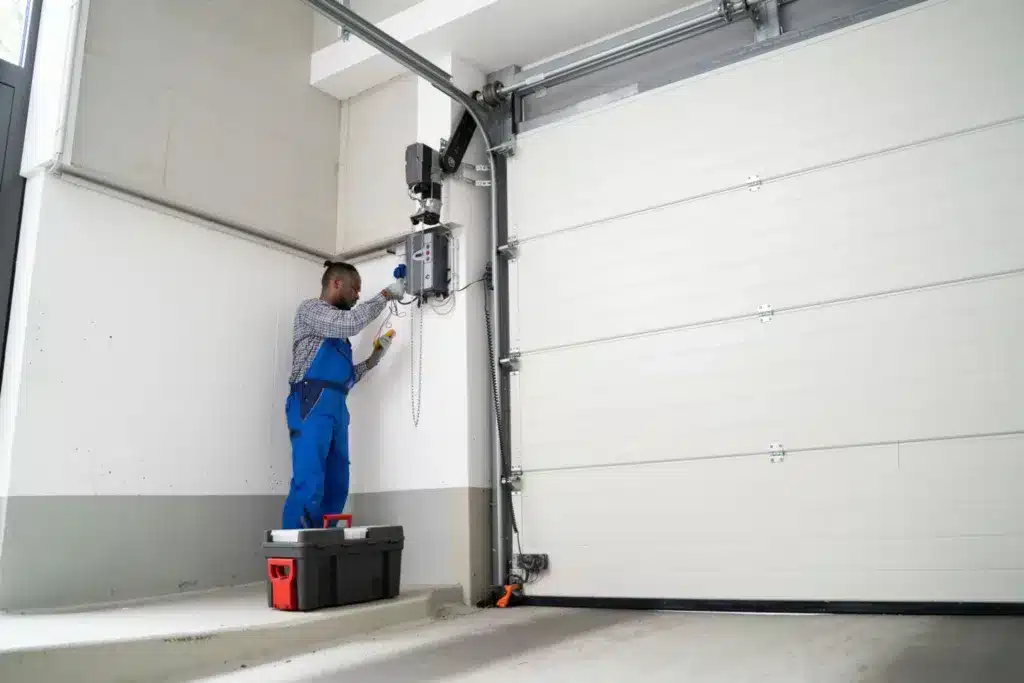
Living in Vallejo, it’s easy to overlook parts of your garage door that “seem fine” because they’re not making noise or are not completely broken. One of the most commonly ignored components is the garage door cable. These cables do a lot of heavy lifting, literally, and when they start to fray, the risk isn’t minor. So, is a frayed garage door cable dangerous? Yes, and more than many homeowners realize. This guide explains why frayed garage door cables are hazardous, how to spot early warning signs, what causes the problem, and what you can safely do to reduce risk. Everything here is written from the perspective of real-world garage door services experience, using clear language that doesn’t require technical knowledge to understand. What a Garage Door Cable Actually Does Garage door cables are steel wires designed to support the full weight of your garage door. Most residential garage doors weigh anywhere from 130 to over 300 pounds, depending on size and material. The cables work together with springs to make lifting that weight possible. When the door opens: The springs store and release energy The cables guide and support the door’s movement The door stays balanced and level When the door closes: The cables keep tension controlled The door lowers evenly instead of slamming Because these cables are always under high tension, they don’t slowly “fail” the way other parts might. When a cable reaches its limit, failure can happen suddenly. This is why cable condition is not cosmetic; it’s structural. For a deeper look at early warning signs, real safety risks, and the right steps to take, our guide “Frayed Garage Door Cable: Signs, Risks, and What to Do” breaks it all down in clear, homeowner-friendly terms. Why a Frayed Garage Door Cable Is a Serious Safety Risk A frayed garage door cable means the steel strands inside the cable are breaking down. Each broken strand reduces the cable’s ability to safely carry the door’s weight. Here’s why that’s dangerous: Sudden failure: A cable can snap without warning Door imbalance: One side may drop faster than the other Loss of control: The door can slam shut or tilt off-track Injury risk: People, pets, and vehicles are directly below Garage doors don’t gently lower themselves when something goes wrong. If a cable snaps while the door is moving, gravity takes over instantly. In Vallejo, many garages are used not just for parking, but also as: Storage spaces Entry points into the home Workshops or laundry areas That means people are often nearby when the door is in motion, increasing the risk if a cable fails. Understanding why cables fail in the first place can help reduce these risks, and our article “What Causes a Frayed Garage Door Cable?” explains the most common underlying factors homeowners should watch for. Common Causes of Frayed Garage Door Cables Normal Wear and Age Garage door cables are designed to last for years, but they are not permanent. Every time the door opens and closes, the cables bend, tighten, and release tension. Over time, this repetitive stress causes metal fatigue. Even a well-maintained system will eventually experience cable wear. Rust and Corrosion (Especially in Vallejo) Vallejo’s coastal environment plays a big role in cable deterioration. Moist air, fog, and salt exposure can slowly corrode steel components. Rust: Weakens cable strands Causes uneven friction on drums Speeds up fraying Once rust starts, cable strength declines faster than many homeowners expect. Misaligned Tracks or Drums Garage door cables are meant to wind evenly around drums. If tracks are slightly out of alignment or the drum is worn, the cable may rub or twist improperly. This causes: Uneven tension Accelerated strand breakage Visible fraying in specific sections Lack of Regular Inspection Cables are often overlooked during routine maintenance because they’re not as visible as panels or openers. Without periodic inspection, fraying can go unnoticed until it becomes severe. Door Imbalance from Worn Springs When garage door springs begin to wear out, the cables take on extra stress. This imbalance speeds up cable damage and increases the likelihood of sudden failure. If you’re unsure whether continued use is safe once these issues appear, our article “Can You Use a Door With a Frayed Garage Door Cable?” explains the risks homeowners should understand before operating the door again. Warning Signs Your Garage Door Cable Is Failing Recognizing early signs can prevent serious damage or injury. Common warning signs include: Visible fraying or unraveling strands The door opens unevenly or looks crooked Jerky or shaky movement Loud snapping, grinding, or scraping noises Slack or hanging cable on one side If you notice any of these signs, continued use increases risk. Even if the door still opens, the system is no longer operating safely. What Happens If You Ignore a Frayed Cable Ignoring a frayed cable often leads to bigger, more dangerous problems. Possible outcomes include: The cable snaps while the door is moving The door drops suddenly The door comes off its tracks Damage to the opener, panels, or tracks Complete loss of door function In many cases, a small cable issue turns into a larger system failure simply because it wasn’t addressed early. Is It Safe to Use a Garage Door With a Frayed Cable? Short answer: No. Using a garage door with a frayed cable is unsafe, even if it appears to be working. Each open and close cycle increases the chance of sudden failure. A frayed cable is already compromised. Continuing to use the door adds stress to an already weakened component, making failure unpredictable. In some cases, severe cable damage can even affect overall system alignment and may require more extensive service, including adjustments related to the existing garage door installation. What Homeowners Can Safely Check (Without Fixing) There are a few safe, non-invasive checks homeowners can perform. Safe things to look for: Visible fraying from a distance Rust or discoloration on cables Uneven door positioning Differences between left and right cables New or unusual
Is Emergency Garage Door Repair a Safety Concern?

Garage door problems affect more than convenience. When a garage door stops working properly, it can create safety concerns for everyone in the home. Because garage doors are heavy and rely on multiple moving parts, failures caused by wear or damage can quickly become hazardous if not addressed. Garage Door Failures Can Create Serious Safety Risks Heavy Garage Doors Increase the Risk of Injury During Malfunctions Worn or Broken Components Can Cause Sudden Door Failure Garage Door Problems Can Reduce Home Security Unaddressed Issues Can Escalate Into Larger Safety Concerns Taking garage door problems seriously helps reduce the chance of injury and security issues. Prompt attention through 24-hour emergency garage door repair supports safer operation, limits further damage, and helps maintain a secure and reliable garage door system for daily use. Major Safety Risks Associated With Emergency Garage Door Issues Garage door problems that require emergency garage door repair can quickly turn into serious safety concerns. A door that is stuck open, off track, or moving unpredictably creates immediate risks for people, vehicles, and property, as system failures can cause sudden drops, unstable panels, or loss of controlled operation. At the same time, a garage door that cannot close properly weakens home security and exposes the interior to unauthorized access and weather-related damage. Addressing these issues promptly helps restore safe operation, reestablish security, and reduce the risk of injury or further complications. For a deeper look at identifying urgent warning signs, explore our related blog, When Is Emergency Garage Door Repair Necessary? Uncontrolled Door Movement and Sudden System Failure When a garage door system begins to fail, one of the most serious concerns is losing control over how the door moves. Because garage doors rely on tensioned components to stay balanced, failures can cause sudden and dangerous changes in movement. Loss of controlled motion can cause the door to drop or shift unexpectedly Broken springs or cables may turn the door into an unstable falling hazard Doors stuck in a raised or partially open position remain under constant strain Irregular or uneven movement indicates critical system instability Unpredictable door movement increases the risk of injury and property damage. When control is lost, the garage door can no longer be relied on to operate safely. Structural Instability Caused by Impact or Component Damage The structural integrity of a garage door plays a major role in maintaining safe operation. Impact damage or worn components can weaken the system and interfere with proper alignment. Bent tracks or damaged rollers disrupt balanced movement Off-track doors create unstable hanging or leaning conditions Damaged panels reduce overall system strength Misalignment increases strain on surrounding components When structural stability is compromised, normal operation becomes unsafe. Even minor damage can escalate into a serious safety concern if the door is forced to move. Safety Hazards Created by Electrical or Mechanical Malfunctions Electrical and mechanical problems can cause a garage door to behave in unpredictable ways. Because the opener controls movement and safety responses, malfunctions can quickly become hazardous. Unexpected door activation can occur without warning Mechanical failure may prevent the door from stopping correctly Electrical issues can disrupt communication between system components Loss of controlled operation increases the chance of forceful movement When these malfunctions occur, the garage door system can no longer provide consistent or safe operation. Residential garage door repair helps restore proper control, supporting a secure and predictable environment for everyday use. Garage Door Spring Failures as a Critical Safety Concern Garage door springs play a critical role in supporting the weight and movement of the entire system, and their failure creates serious safety concerns. Because these springs operate under extreme tension, a break can release stored force and instantly remove the door’s ability to stay balanced, making it difficult or impossible to lift safely. When a spring fails, the garage door loses controlled support, increasing the risk of sudden movement, loss of stability, and potential injury or damage. To learn more about the issues that commonly lead to urgent repairs, read our related blog, What Problems Require Emergency Garage Door Repair? Loss of Counterbalance and Increased Door Weight Risks Garage door springs are responsible for offsetting the heavy weight of the door and allowing smooth, controlled movement. When a spring fails, that balance disappears, and the full weight of the door is no longer supported. The garage door becomes extremely heavy and difficult to lift The opener experiences excessive strain from unsupported door weight A partially open door may drop suddenly without warning Without a proper counterbalance, the garage door becomes unstable and difficult to control, increasing the likelihood of injury or system damage. Sudden Spring Breakage and Resulting Safety Threats Spring breakage often happens abruptly and releases a large amount of stored tension. This sudden failure can immediately turn the garage door into a serious hazard. The release of force can send metal components moving at high speed The door loses its ability to remain safely supported Unbalanced weight increases the risk of sudden door movement After spring break, the garage door can no longer operate safely and should be considered unstable until balance is restored. System Strain Caused by Weakened or Failing Springs Springs often weaken gradually before failing completely, reducing their ability to support the door’s weight. This imbalance forces other parts of the system to compensate. Additional strain is placed on the opener and lifting components Cables, rollers, and panels experience accelerated wear Door movement may become uneven or unpredictable As system strain increases, the risk of unexpected failure grows. Weakened springs reduce overall stability and can contribute to sudden safety-related breakdowns, making residential garage door installation an important consideration when long-term safety and reliability are compromised. Garage Door Opener Problems That Create Safety Hazards The garage door opener controls movement and plays a key role in overall system safety, so malfunctions can quickly become hazardous. When electrical or mechanical issues develop, the door may fail to respond, operate unpredictably, or continue moving when it should stop, increasing the
How Quickly Should Emergency Garage Door Repair Happen?

When a garage door stops working, the impact often goes beyond inconvenience. Garage doors play an important role in home access and security, and sudden failures can interrupt daily routines and create immediate concerns that require attention. A non-functioning garage door can disrupt normal schedules and limit access. A door stuck open can leave belongings exposed to outside risks. A door that will not open may prevent vehicle use or entry. The urgency of repair depends on the type and severity of the problem. Some garage door issues require faster professional response than others. Recognizing time-sensitive situations helps prevent further disruption. Understanding how quickly 24-hour emergency garage door repair should happen helps homeowners respond appropriately when problems arise. Prompt attention during urgent situations supports safer operation, restored access, and improved peace of mind. How Fast Emergency Garage Door Repair Is Typically Required When a garage door problem occurs, timely professional assistance becomes important. Emergency garage door repair services are structured to respond quickly, often within a short timeframe, to reduce disruption and security concerns. This level of responsiveness helps limit downtime for both homes and businesses, restoring safe operation and normal access as soon as possible. For further insight into identifying urgent situations, explore the blog When Is Emergency Garage Door Repair Necessary? Conditions That Make Immediate Garage Door Repair Necessary Some garage door problems require urgent professional attention due to safety or security risks. Immediate repair is often necessary when: The garage door has come off its tracks and appears unstable A loud snapping sound occurs, and the door no longer opens The garage door is stuck fully open and cannot close Significant panel or section damage affects door stability These conditions can make the door unsafe to operate or leave the property exposed. Why Delays in Emergency Garage Door Repair Increase Risk Postponing emergency garage door repair can increase hazards and lead to broader system damage. Delays may result in: Increased security risks when the garage door cannot close Greater strain on functioning components, causing additional failures Escalation of minor damage into more serious mechanical issues Higher likelihood of unsafe door movement or system instability Prompt attention helps limit risk and prevents problems from worsening. Time Sensitivity of Garage Door System Failures The urgency of garage door repair depends on how the failure affects operation and safety. Common system failures vary in urgency: Broken springs that make the door heavy and inoperable Doors off-track that create instability and safety concerns Opener malfunctions that prevent proper opening or closing Panel damage that compromises the structure without stopping the operation Understanding how different failures affect functionality helps explain why some residential garage door repair needs cannot wait. What Influences Emergency Garage Door Repair Response Time The time required for emergency garage door repair depends on the type and severity of the problem. Simple issues may be resolved quickly, while complex failures involving multiple components can take longer. Factors such as how the issue affects access, overall safety, and part availability all influence repair timing. To better understand which situations require urgent attention, read What Problems Require Emergency Garage Door Repair? Severity of the Garage Door Problem The seriousness of a garage door issue determines how urgently repair is needed: Minor operational issues that do not affect safety may allow for delayed attention Broken springs create unsafe conditions and make the door unusable Doors that come off their tracks pose immediate stability risks Frayed cables or severe panel damage increase the chance of sudden failure More severe problems require a faster professional response due to safety and security concerns. Operational Impact on Home Access and Safety Garage door failures can quickly interfere with daily access and household safety: A door stuck open exposes the garage and home entry points A door that will not open can trap vehicles inside Unstable or partially open doors increase the risk of injury Loss of reliable access can disrupt daily routines When normal operation is affected, the need for prompt repair becomes more urgent. Availability of Required Repair Components Repair timing can also depend on whether necessary components are immediately available: Common mechanical parts often allow same-visit repairs Specialized or uncommon components may require additional time Structural damage may need temporary stabilization before full repair Part availability can influence how quickly full operation is restored Component readiness plays a key role in how quickly emergency garage door repair and residential garage door installation can be completed. Emergency Garage Door Issues That Cannot Wait Some garage door problems are too serious to delay and require immediate professional attention. Failures involving critical components can create safety hazards, limit access, or leave the property exposed. Issues that affect door stability, operation, or security should be treated as emergencies to reduce risk and restore safe function as quickly as possible. For a deeper look at how these issues impact safety, explore Is Emergency Garage Door Repair a Safety Concern? Sudden Garage Door Spring Failure Garage door springs are critical for safe and balanced operation. When a spring fails suddenly, the garage door can become difficult or impossible to use and may pose safety risks. A loud snapping sound may indicate that a spring has broken The garage door may become too heavy to lift An open door can drop unexpectedly Normal operation may stop entirely Because springs support the full weight of the door, failures require immediate professional attention to restore safe function. Garage Door Opener Malfunctions Preventing Operation Garage door openers control movement and access. When they malfunction, normal garage door operation can be interrupted without warning. The door may remain stuck open or closed Internal or electrical failures can stop movement Access to vehicles or secured spaces may be limited Automated safety features may no longer function Opener failures that prevent movement often create urgency due to access and security concerns. Structural Panel or Section Damage Garage door panels and sections maintain strength and alignment. Damage to these components can weaken the entire system and affect
